


News
Justin Schleede reaches onto a black lab bench to pick up a tray of small plastic tubes.
"These are saliva...
"If proven to be safe, we believe preventive gene editing could be one of the most important health technologies of...
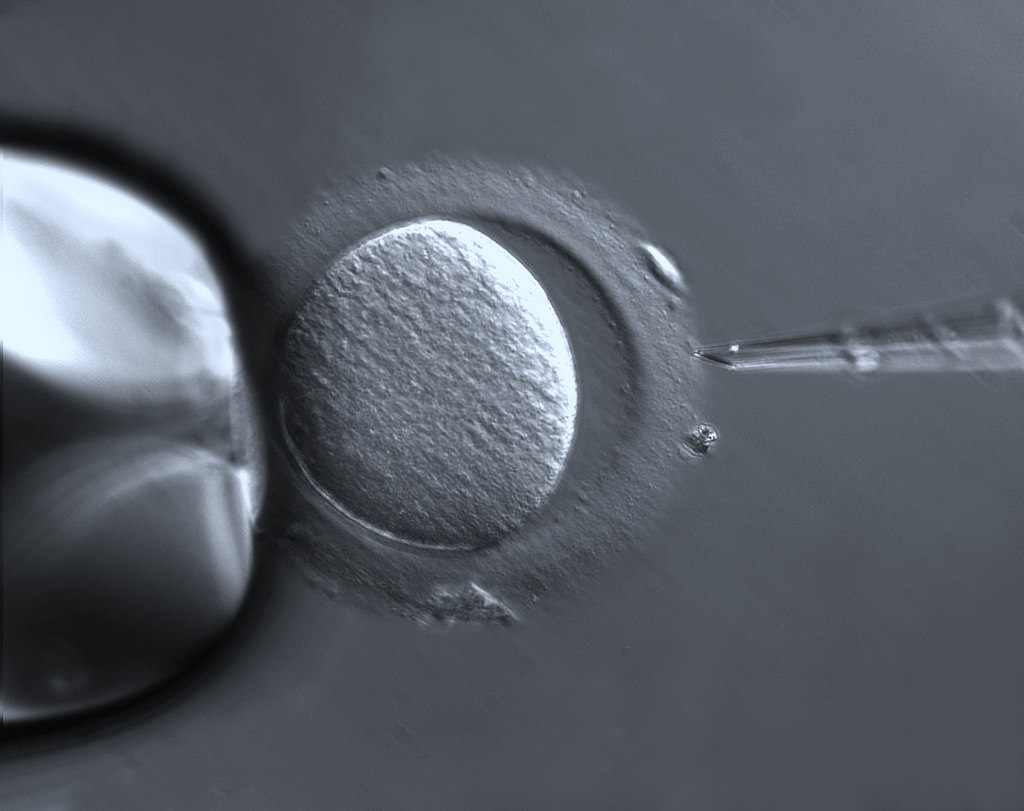
News that a controversial U.S. researcher has used CRISPR to create genetically altered human embryos underscores the need for stronger policy protections against engineering the genes of future children and generations.
According to articles written by the same reporter, and published both in a British tabloid and in MIT Technology Review, the experiment conducted by Shoukhrat Mitalipov of Oregon Health and Sciences University will soon be described in a scientific journal.
“This development should be a wake-up call for everyone who cares about responsible science,” said the Center for Genetics and Society (CGS) Executive Director Marcy Darnovsky, PhD. “We call on scientists around the world to refrain from research aimed at refining gene editing for use in human reproduction; for policy makers to strengthen global rules prohibiting human germline modification; and for researchers and policy makers to create meaningful processes that promote public participation toward what the National Academies of Sciences termed `broad societal consensus’ about human germline modification. Decisions about how to use gene editing cannot be left to individual scientists or small unaccountable committees.”
Notably, preventing the transmission of serious inherited diseases does not require gene editing, since that can be avoided safely and in nearly every case with existing embryo screening techniques, where appropriate.
Further, the notion that human germline modification can be used to prevent the transmission of genetic disease, without opening the door to its use for enhancement purposes, is tenuous at best. Too often, discussions of human germline modification assume that such boundaries can be maintained, though they are conceptually blurry and unenforceable as policy. In evaluating applications of human gene editing, the important distinction to draw is between treating existing patients, which is widely supported, and attempting to control the traits of future generations.
More than 40 countries, including most with established biotech sectors, have established legal prohibitions on germline modification for human reproduction, as has the Council of Europe Convention on Human Rights and Biomedicine, a binding international treaty. Unfortunately, the U.S. is not among the countries that have adopted such a policy.
“We need to use biotechnologies to advance knowledge for the common good, not to introduce tools that are likely to exacerbate inequality and discrimination,” said Darnovsky. “Permitting the development of gene editing for human reproduction is likely to usher in an era of genetic `haves’ and `have-nots,’ with new forms of inequality layered on top of the already shameful rifts in our society.”
While little is currently known about the details of the reported experiment, we know that Mitalipov has previously cloned human embryos and worked on nuclear genome transfer (also known as “mitochondrial transfer” and “three-person IVF”) with human embryos. He has also collaborated with the discredited Korean cloning researcher Hwang Woo Suk, and expressed interest in commercializing the techniques he has developed in fertility clinics.
To contact CGS for details on this history and on developments of this story as they occur:
Marcy Darnovsky
1-510-625-0819 x305
mdarnovsky[AT]geneticsandsociety[DOT]org
Image via Flickr
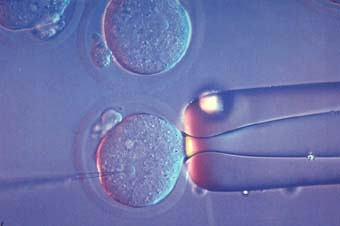
The New York-based fertility doctor who last year acknowledged that he deliberately evaded US regulations by going to Mexico to produce a baby using nuclear transfer (or “three-person IVF”) has launched a company to market the risky and unapproved technique. Highly controversial even when considered for the purpose of preventing the transmission of a rare form of mitochondrial disease, the technique is now being promoted by the same doctor for age-related infertility.
In an article in today’s MIT Technology Review, Dr. John Zhang also says that “a future step will be to combine the technique with editing genes, so that parents can select hair or eye color, or maybe improve their children’s IQ.” In his words, “Everything we do is a step toward designer babies,” and a child created according to his plan would be “very much like an iPhone that’s designed in California and assembled in China.”
“Zhang is open and unapologetic about a commercial effort to program greater and greater social inequality into our genes,” said Marcy Darnovsky, PhD, executive director of the Center for Genetics and Society. “His project makes clear the urgent stakes of the current debate about human gene editing. If we fail to hold the line against its misuses, we could find ourselves in a society divided by the cost of the genetic upgrades parents purchase for their children – a world even more unequal and discriminatory than our own.”
Zhang, founder and CEO of the start-up Darwin Life, is offering what the company calls HER IVF (Human Egg Reconstitution IVF), which its website says will “reverse the effects of age on human oocytes and repair certain cellular defects,” purportedly thereby “prolonging natural fertility.”
“Claims that this is a `proven treatment’ and a `successful solution to age-related infertility’ are outright misrepresentations,” said Darnovsky. “This is an experimental technique, with no robust peer-reviewed studies to support either its effectiveness or safety. Zhang and his collaborators are putting vulnerable people seeking treatment for infertility directly in harm’s way.”
Nuclear transfer techniques involve removing the nucleus of an egg or early-stage embryo and inserting it into the enucleated egg or embryo of another person.
“This is not simply a variation of in vitro fertilization,” Darnovsky said. “It is a biologically extreme procedure that pulls apart and patches together pieces of gametes or embryos derived from different individuals. It could create embryos that look fine early on, but produce devastating health issues for a resulting child. Anyone considering using this procedure should very carefully investigate the risks, the unknowns, and the commercial incentives behind it.”
In addition to raising safety concerns, nuclear transfer techniques are controversial because they are technically a form of human germline modification. Though they do not alter genes in the nuclei of cells, they produce heritable modifications that raise serious social and ethical concerns.
“Zhang’s rogue behavior sets an extremely dangerous precedent for the prospect of full-blown human germline modification,” Darnovsky said. “It makes clear just how crucial it is to put human germline editing for reproduction off limits, as more than 40 nations have already done.”
####
Contact:
Marcy Darnovsky
1-510-625-0819 x305
mdarnovsky[AT]geneticsandsociety[DOT]org
Image via Flickr
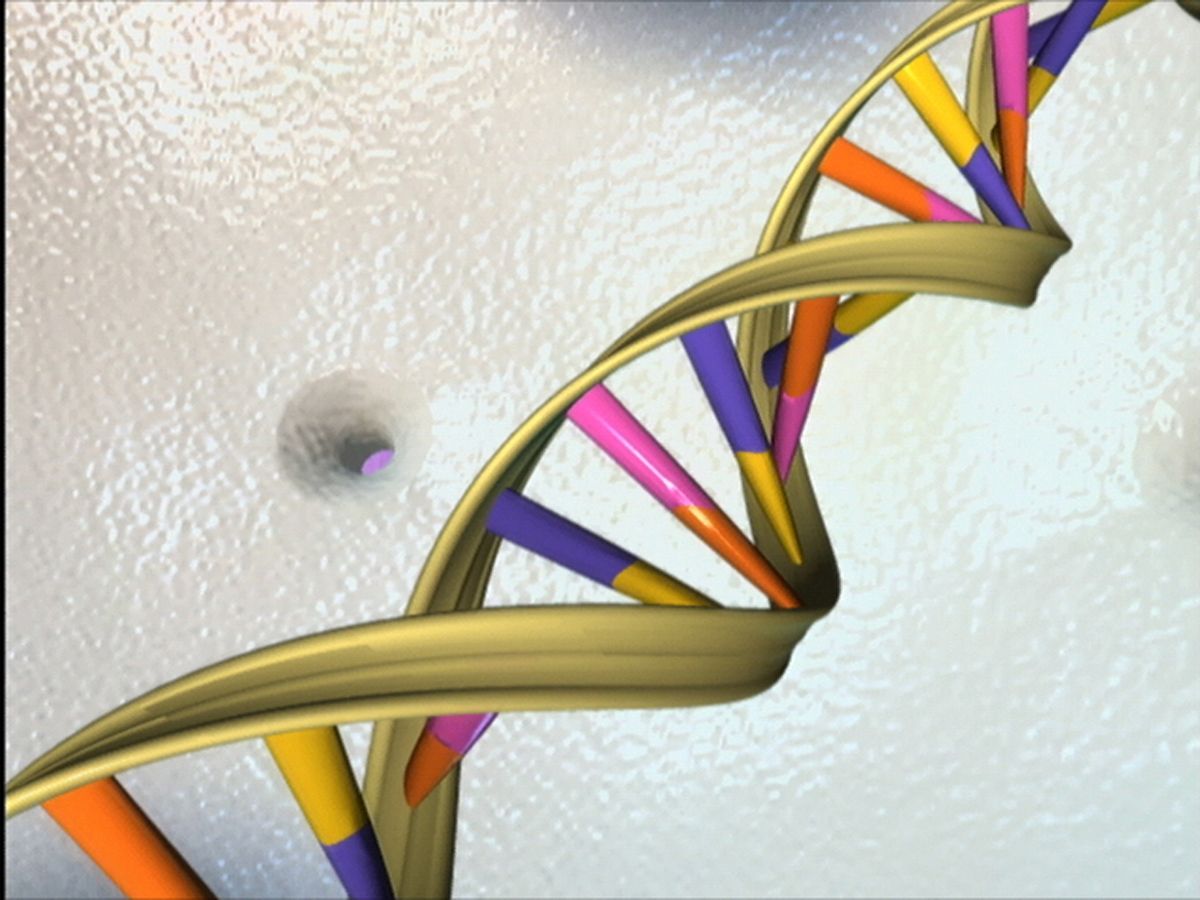
The National Academies of Sciences and National Academy of Medicine today released a new report, Human Genome Editing: Science, Ethics, and Governance, that addresses the prospect of using gene editing for human reproduction. The report recommends a number of conditions and limitations on this application of gene editing. But it concludes that “[c]linical trials using heritable germline genome editing should be permitted” [page 102].
“The recommendations and conclusions of this report are unsettling and disappointing,” said Marcy Darnovsky, PhD, Executive Director of the Center for Genetics and Society. “Although they’re couched in apparently cautionary language, they actually constitute a green light for proceeding with efforts to modify the human germline — that is, to engineer the genes and traits that are passed on to future children and generations.”
In December 2015, the National Academies’ International Summit on Human Gene Editing concluded with a statement that it would be irresponsible to proceed with human germline modification unless and until a “broad societal consensus” had been reached. “Today’s report dispenses with the idea of meaningful public participation in this profoundly consequential decision,” Darnovsky said. “It calls for `continued public engagement’ [page 146] with the details, but excludes the public from participation in deciding whether human germline modification is acceptable in the first place.”
More than 40 countries have established legal prohibitions on human germline modification, as has the Council of Europe Convention on Human Rights and Biomedicine, a binding international treaty. “This report is a dramatic departure from the widespread global agreement that human germline modification should remain off limits,” Darnovsky said. “It acknowledges many of the widely recognized risks, including stigmatizing people with disabilities, exacerbating existing inequalities, and introducing new eugenic abuses. Strangely, there’s no apparent connection between those dire risks and the recommendation to move ahead.”
Discussions of human germline modification typically emphasize the distinction between somatic genetic interventions that would affect existing patients, which are widely supported, and germline alterations that would be passed on to future generations, which are widely opposed. This is a bright line conceptually, technically, and in policy terms. Today’s report instead focuses on a distinction between therapy and enhancement, an inherently `blurry’ [page 147] line that would be difficult or impossible to write into policy. It recognizes that people at risk of transmitting genetic diseases can, in nearly every case, have healthy children who are genetically related to both parents by other means, but concludes that permitting germline modification is justified by the very small number of exceptions (all of whom could have unaffected children by using third party eggs or sperm).
“If interventions into the human germline were to be allowed at all, it is difficult to see how their use could be restricted, given longstanding US regulatory structures,” Darnovsky said. “Permitting human germline editing for any reason would likely lead to its escape from regulatory limits, to its adoption for enhancement purposes, and to the emergence of a market-based eugenics that would exacerbate already existing discrimination, inequality, and conflict. We need not and should not risk these outcomes.”
Contact Information:
Marcy Darnovsky, PhD
Phone: 510–625–0819, ext 305
Email: darnovsky[AT]geneticsandsociety[DOT]org

The UK’s Human Fertilisation and Embryology Authority (HFEA) announced today that it has given a green light for clinical use of highly controversial mitochondrial manipulation techniques for the purpose of preventing the births of children affected by mitochondrial disease.
Many scientists consider these techniques to be unsafe, with unknown health consequences for future generations. A number of recent studies have called attention to the immediate safety risks of these procedures, [1][2] variously known as “three-person IVF,” “mitochondrial replacement, and (most technically accurate) “nuclear genome transfer.”
"The HFEA presents itself as a model of responsible regulation, but its role in encouraging this risky biological experiment is deeply troubling. It has chosen to ignore the serious health risks these procedures pose for resulting children and future generations. It has failed to require follow-up studies of any children born as a result. And it has misconstrued public sentiment, representing deep divisions as ‘broad support,’” [3] said Marcy Darnovsky, PhD, executive director of the Center for Genetics and Society.
Darnovsky continued, “This is not about saving children. As the U.S. National Academy of Medicine has pointed out, these techniques do not address a medical need, as they do not treat any existing person for a disease, illness, or condition. And safer options for creating families are already available.” [4]
“The HFEA decision is part of a disturbing trend toward the normalization of an experimental technology that is still widely considered unsafe, and whose implications for future generations are unknown,” Darnovsky asserted. “Allowing mitochondrial manipulation in humans could open the door to other forms of human inheritable genetic modification, banned in more than 40 countries worldwide.”
References
[1]
3-person embryos may fail to vanquish mutant mitochondria
http://www.nature.com/news/three-person-embryos-may-fail-to-vanquish-mutant-mitochondria-1.19948
[2]
https://www.scientificamerican.com/article/ldquo-three-parent-baby-rdquo-procedure-faces-new-hurdle/
[3]
http://www.biopoliticaltimes.org/article.php?id=6757
[4]
http://www.nationalacademies.org/hmd/Reports/2016/Mitochondrial-Replacement-Techniques.aspx
####
The Center for Genetics and Society is a non-profit public affairs and policy advocacy organization working to encourage responsible uses and effective societal governance of human genetic and reproductive biotechnologies.
Contact:
Marcy Darnovsky
510-665-7760, ext 305
darnovsky[AT]geneticsandsociety[DOT]org
Image via Pixabay

A talk at the Falling Walls Conference, an annual science event in Berlin, reflects on the immense opportunities and threats...
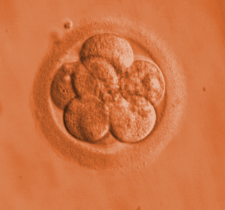
It was reported today that a fertility doctor working in Kiev, Ukraine is using highly controversial mitochondrial manipulation techniques for general infertility. [1]
This is the second time in three weeks that the British popular science magazine New Scientist has broken stories about fertility doctors conducting these experimental procedures ahead of peer review, and in anticipation of conference appearances. [2]
“We appear to be in a race to the bottom, with fertility doctors ignoring evidence that points to long-term safety risks associated with these embryo engineering techniques,” said Marcy Darnovsky, PhD, executive director of the Center for Genetics and Society, a public interest organization based in Berkeley, CA. “They are ignoring ongoing policy debates and conducting dangerous and socially fraught experiments on mothers and children. And they appear to be actively seeking a media splash on the way down.”
According to the unconfirmed article in New Scientist, Dr. Valery Zukin, director of the Nadiya Clinic for Reproductive Medicine [3], used pronuclear transfer, a variant of the techniques sometimes called “three-person IVF,” to initiate two ongoing pregnancies. Zukin claimed the women were being treated to overcome what he called “embryo arrest” – that is, for general infertility. He reports in the article that two babies are due in early 2017: one woman is 20 weeks pregnant with a fetus sexed female; another woman is 28 weeks with a fetus sexed male.
Pronuclear transfer (PNT) was approved in the UK in 2015 after a lengthy and contested debate, but only for treatment of inheritable mitochondrial DNA condition, and only to licensed clinics. To date, there has been no public acknowledgement that any such licenses have been granted. Mitochondrial manipulation techniques remain controversial both because of inadequate evidence of their safety, and because they produce “germline” or heritable modifications that raise serious social and ethical concerns.
“As many have predicted, allowing ‘3-person IVF’ for mitochondrial disease opens the door to widespread abuse by fertility clinics seeking to sell the latest IVF ‘upgrade’ to the largest possible customer base,” Darnovsky said. “Use of these biologically extreme procedures for infertility is based purely on speculation, yet it poses dire risks to future children and generations. This is the ugly face of commercial and status incentives driving unscientific human experimentation.”
The previous New Scientist story concerned John Zhang, a New York-based fertility doctor who claimed he used a different “3-person IVF” technique known as spindle nuclear transfer in Mexico in order to evade US regulations. Following that breaking story, reports of the live birth of a “3-parent baby” were circulated widely by the media.
“While popular science magazines play an important role in the scientific enterprise, they should not be considered the first stop for vetting biological, social, and political risks associated with experimental techniques – especially those that would permanently alter the human genome with cascading and unforeseeable effects,” Darnovsky stated. “These developments are another urgent sign that we need clear rules placing heritable human genetic modification off-limits on a national and international level.”
Valery Zukin and John Zhang are scheduled to speak at upcoming fertility industry conferences next week, one in New York City [4] and one in Salt Lake City [5].
“It would be a shame – and a disservice both to democratic governance and public trust in science – if these acts of irresponsible human experimentation translate into celebrity treatment for these rogue fertility doctors,” Darnovsky said.
References
[1] Exclusive: ‘3-parent’ baby method already used for infertilityhttps://www.newscientist.com/article/2108549-exclusive-3-parent-baby-method-already-used-for-infertility/
[2] CGS comment on use of mitochondrial manipulation techniques by US scientists in Mexico http://www.geneticsandsociety.org/article.php?id=9697
[3]See http://nadiyaclinic.com/about-the-clinic/our-team/valery-zukin
[4] See http://artworldcongress.com/
Contact:
Marcy Darnovsky
510-665-7760, ext 305
darnovsky[AT]geneticsandsociety[DOT]org
Image via Wikimedia
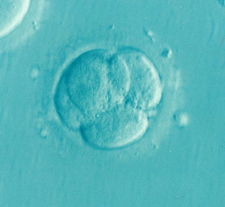
It was reported today that a US fertility doctor, John Zhang of New York University and New Hope Fertility Center, used an experimental mitochondrial manipulation technique in Mexico to produce a child who was born in April. Many scientists consider the technique, variously known as “three-person IVF” and “nuclear genome transfer,” to be unsafe, with unknown and unforeseeable health consequences for the child as well as future generations
“This fertility doctor openly acknowledged that he went to Mexico where `there are no rules’ in order to evade ongoing review processes and existing regulations in the United States,” said Marcy Darnovsky, PhD, executive director of the Center for Genetics and Society. “No researcher or doctor has the right to flout agreed-upon rules and make up their own. This is an irresponsible and unethical act, and sets a dangerous precedent.”
“We wish the infant and his family well,” Darnovsky continued, “and hope his health will be monitored and his privacy protected. It’s important to know that scientists around the world – including expert members of a US Food and Drug Administration committee – have raised many cautions about the risks to any children that might result from these techniques, and about trans-generational risks.”
“This development is particularly troubling at a time when we’re seeing fraudulent stem cell clinics by the hundreds putting patients at risk. It’s also distressing that this takes place in the midst of international deliberations among scientists, policy makers, and publics about responsible uses of gene editing technologies,” Darnovsky said. “The precedent is very troubling – both in the sense of scientists who should know better `going rogue’ with a risky and experimental procedure, and in the sense that they're doing so using a technique that is technically a form of human germline modification.”
Mitochondrial manipulation techniques have been shown to pose a number of immediate safety risks as well as troubling future risks for both male and female children, even though mtDNA is inherited only from a child’s mother. Ongoing studies show reasons for continuing concern.
“We urge intended parents who might consider undergoing this biologically extreme procedure to carefully investigate the risks, as well as the areas where evidence of safety is lacking,” Darnovsky said. “And we urge scientists and policy makers to condemn rogue experimentation that takes advantage of families’ misplaced trust in people who wear white coats.”
####
The Center for Genetics and Society is a non-profit public affairs and policy advocacy organization working to encourage responsible uses and effective societal governance of human genetic and reproductive biotechnologies.
Contact:
Marcy Darnovsky
510-665-7760, ext 305
darnovsky[AT]geneticsandsociety[DOT]org

In a brief article published in the “Perspectives” section of Science, a group of scientists and corporate figures has announced a ten-year project to construct a synthetic human genome from scratch. Today’s publication follows revelations in May of a closed-door meeting about the plan at Harvard University that was widely criticized for excluding the public and media.
“These self-selected scientists and entrepreneurs are launching a corporate-dominated moonshot that could open the door to producing synthetic human beings,” said Marcy Darnovsky, PhD, Executive Director of the Center for Genetics and Society. “They are doing this without the involvement or even the knowledge of the public or civil society, without consultation with other scientists, and in the absence of public policy.”
A press release from the multi-billion dollar software giant Autodesk, also released today, reveals that the company has committed $250,000 for the project's planning efforts.
According to media reports, the project was originally called Human Genome Synthesis Project. The promoters have now adopted what they may see as a more neutral name, “Human Genome Project-Write,” and refer to the Human Genome Project as “HGP-read.” We suggest the term “Synthetic Human Genome Project” or “Syn-HGP.”
“The focus on synthesizing the human genome seems in part like a public relations stunt to get multi-billion-dollar range funding – including from public sources – and a lot of media attention,” Darnovsky said. “Most of the principal figures behind Syn-HGP have deep ties to companies that will reap the profits of driving down the cost of large-scale DNA synthesis,” she continued.
The Science article was reportedly delayed by a request that the authors include statements about the social and ethical implications of their proposal.
“The article gestures toward `broad public discourse,’ but this amounts to boilerplate bioethics at best,” Darnovsky said. “Scientists have become skilled at managing public reaction, but what we need is meaningful participation and deliberation in the planning and design of powerful new technologies. As it stands, this is a case of what should be weighty policy and public decisions being driven by private enthusiasm and corporate interests.”
As media reports after news about Syn-HGP emerged from the closed-door Harvard meeting have noted, constructing a human genome and inserting it into cells could eventually lead to custom-designed synthetic human beings with no biological parents.
“Some of the speculative goals of this project sound innocuous or benign,” Darnovsky said. “Others would be dangerously unacceptable. There would of course be enormous technical challenges to producing synthetic humans, but it’s clear that no self-appointed group has a warrant to make decisions that could literally reshape the human genome.”
####
The Center for Genetics and Society is a non-profit public affairs and policy advocacy organization working to encourage responsible uses and effective societal governance of human genetic and reproductive biotechnologies.
For CGS's previous comment on the closed meeting at Harvard, see: Comment - Closed Harvard Meeting on Human Genome Synthesis [May 13, 2016]
Contact:
Marcy Darnovsky
510-665-7760, ext 305
darnovsky[AT]geneticsandsociety[DOT]org