


News
Justin Schleede reaches onto a black lab bench to pick up a tray of small plastic tubes.
"These are saliva...
"If proven to be safe, we believe preventive gene editing could be one of the most important health technologies of...
FOR IMMEDIATE RELEASE
January 31, 2020
Authors of the “Geneva Statement on Heritable Human Genome Editing: The Need for Course Correction” point to the need to clarify misrepresentations, center societal consequences and concerns, and foster meaningful public empowerment and deliberation on the potential uses of this species-altering technology.
A cohort of influential social scientists, ethicists, life scientists, policy experts, and public interest advocates from around the world has published a robust and cautionary statement about the future of heritable genome editing. The 21 authors aim to disrupt the current trajectory of discussions about heritable genome editing; they demand broad societal consensus before any decision is made about whether to allow the use of this technology in humans.
The full text of the statement will appear in the April 1, 2020, issue of Trends in Biotechnology, and is available online here under an open-access license.
“We’ve heard calls from all quarters for public engagement and participation in discussions about heritable gene editing. But we don’t see inclusive deliberations taking place,” said CGS Project Director on Genetic Justice Katie Hasson. “Small groups of self-appointed elite scientists who want to map out how to use genome editing must not skip over the necessary societal deliberations on whether it should be allowed at all.”
The “Geneva Statement” takes issue with the current state of the deliberations along three dimensions:
- A number of serious misunderstandings and distortions have taken hold in public discourse about this technology. Because legitimate deliberations must be based on accurate information, course correction must clarify misconceptions.
- Most conversations about heritable genome editing neither adequately analyze its societal context nor meaningfully explore its social justice and human rights implications. Course correction must center societal consequences and concerns.
- Public involvement in the decision-making about heritable genome editing is often devalued, undermined, or limited. Course correction must foster public empowerment.
The “Geneva Statement” brings new voices and perspectives, particularly those of social scientists, human rights advocates, and civil society representatives, to a conversation that has so far been dominated by scientists and bioethicists. Despite repeated calls to slow down, diversify, and democratize the decision-making process since the “CRISPR babies” bombshell of November 2018 (when Chinese scientist He Jiankui announced the births of twin girls whose genes he edited as embryos), a panel convened by the US National Academies of Science and Medicine and the UK’s Royal Academies is proceeding with a “translational pathway” for heritable genome editing.
“We need to work toward broad societal deliberations that grapple meaningfully with what’s at stake, including the very real possibility of worsening existing discriminations and disparities,” said CGS Executive Director Marcy Darnovsky. “Bringing heritable genome editing to market could usher in a new form of eugenics, even a genetic caste system.”
The “Geneva Statement” originated during a workshop hosted by the Brocher Foundation in Geneva, Switzerland, which also generously provided financial support for Open Access publication.
Watch a round-table discussion among some of the “Geneva Statement” authors here.
For more information or to speak to a member of the CGS staff about the “Geneva Statement on Heritable Human Genome Editing: The Need for Course Correction,” please contact Katie Hasson: khasson@geneticsandsociety.org.
Geneva Statement Authors:
Roberto Andorno, JD, PhD, Associate Professor of Biomedical Law and Bioethics at the School of Law of the University of Zurich, Switzerland, roberto.andorno@uzh.ch
Françoise Baylis, CM, ONS, PhD, FRSC, FCAHS, University Research Professor, Dalhousie University, Nova Scotia, Canada, Francoise.Baylis@dal.ca, @FrancoiseBaylis
Marcy Darnovsky, PhD, Executive Director, Center for Genetics and Society, USA, darnovsky@geneticsandsociety.org, geneticsandsociety.org, @C_G_S
*Donna Dickenson, PhD, Emeritus Professor of Medical Ethics and Humanities, University of London, United Kingdom, d.dickenson@bristol.ac.uk, www.donnadickenson.co.uk
Prof. Dr. Hille Haker, Richard McCormick Endowed Chair of Christian Ethics, Loyola University Chicago, USA, hhaker@luc.edu, @hillehaker
Katie Hasson, PhD, Project Director on Genetic Justice, Center for Genetics and Society, USA, khasson@geneticsandosociety.org, geneticsandsociety.org, @C_G_S
Leah Lowthorp, PhD, Assistant Professor of Anthropology and Folklore, University of Oregon, USA, lowthorp@cas.uoregon.edu
George J. Annas, JD, MPH, Warren Distinguished Professor and Director, Center for Health Law, Ethics & Human Rights, Boston University School of Public Health, USA, annasgj@bu.edu, @georgejannas
Catherine Bourgain, PhD, Director of the Center for Research in Medicine, Science, Health, Mental health and Society, National Institute of Health and Medical Research (INSERM); France, catherine.bourgain@inserm.fr
Katherine Drabiak, JD, Assistant Professor, College of Public Health and College of Medicine, University of South Florida, USA, kdrabiak@usf.edu, http://katherinedrabiakjd.com/
Prof. Dr. Dr. Sigrid Graumann, Professor for Ethics and Director of the Protestant University of Applied Sciences Bochum, Germany, graumann@evh-bochum.de
Dr. Katrin Grüber, PhD, Director of the Institut Mensch, Ethik und Wissenschaft, Germany, grueber@imew.de, www.imew.de
Dr.phil. Matthias Kaiser, Professor; Centre for the Study of the Sciences and Humanities (SVT), University of Bergen, Norway, matthias.kaiser@uib.no, @matthiaskaise14
Dr David King, Director, Human Genetics Alert, London, UK, david.king@hgalert.org
Regine Kollek, PhD, Professor for Technology Assessment of Biotechnology in Medicine, Hamburg University, Germany, kollek@uni-hamburg.de
Dr. Calum MacKellar, Director of Research, Scottish Council on Human Bioethics, Scotland, Calum.MacKellar@schb.org.uk
Jing-Bao Nie, BMed, MMed, PhD, Professor at Bioethics Centre, Dunedin School of Medicine, University of Otago, New Zealand; Adjunct Professor at Peking University Health Science Center, China, jing-bao.nie@otago.ac.nz,
*Osagie K. Obasogie, Haas Distinguished Chair, Professor of Bioethics, University of California, Berkeley, Joint Medical Program, School of Public Health; Senior Fellow, Center for Genetics and Society, USA obasogie@berkeley.edu
Dr. Mirriam Tyebally Fang, Institute of Biomedical Ethics and History of Medicine, University of Zurich, Switzerland, mirriam.tyebally@ibme.uzh.ch
Gabriele Werner-Felmayer, PhD, Professor, Institute of Biological Chemistry and Bioethics Network ethucation, Medical University Innsbruck, Austria. gabriele.werner-felmayer@i-med.ac.at
Jana Zuscinova, former Political Advisor to Chair of EPP Working Group on Bioethics and Human Dignity, European Parliament, jzuscinova@gmail.com
*These authors were unable to attend the workshop at the Brocher Foundation in Hermance but were involved with the planning and preparation of the meeting and manuscript.
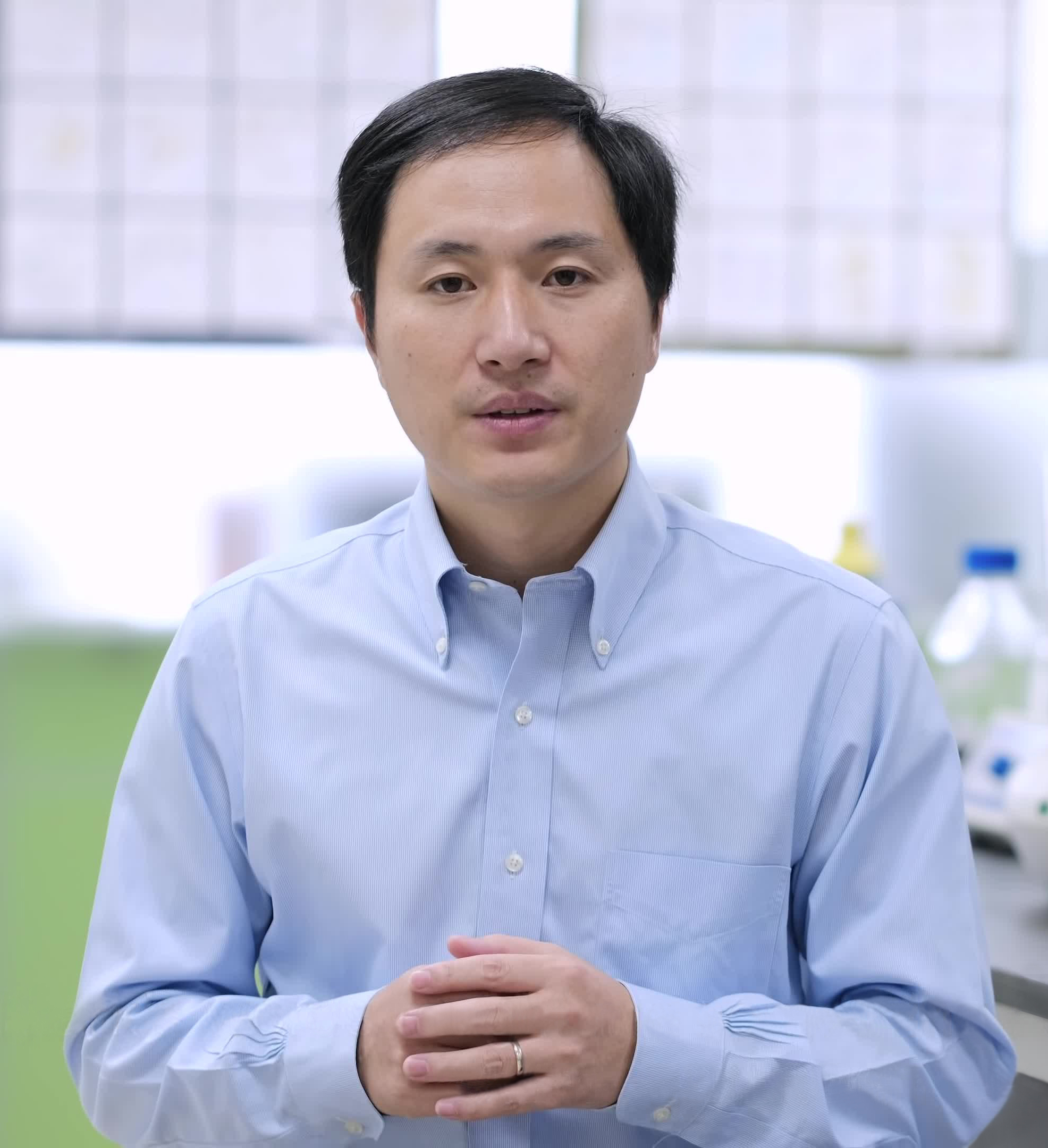
Berkeley, California – China has announced the sentencing of He Jiankui, the scientist whose attempts at heritable genome editing led to the births of three babies. The Center for Genetics and Society welcomes this strong stand by the Chinese government, and notes the need for the few countries that currently lack clear and specific prohibitions on heritable genome editing to adopt them.
This sentencing of a former associate professor of biology in Shenzhen, China and a principal in several biotech companies, along with two of his collaborators, provides an opportunity to reflect on the broader debate about whether human gene editing should ever be used for reproductive purposes.
CGS Executive Director Marcy Darnovsky, PhD, said
The reckless and self-serving acts of He Jiankui and his associates should highlight the broader and deeper risks – and the pointlessness – of any proposal to use gene editing in human reproduction. There is no convincing medical reason to ever go down this road, since safe existing methods can prevent the transmission of serious inherited diseases.
As both the He Jiankui episode and disturbing comments from a few other scientists illustrate, heritable genome editing would likely be used in half-cocked efforts to create genetically “upgraded” children. If marketed to the affluent, it could even lead to a world divided into genetic “haves” and “have nots.”
Katie Hasson, PhD, CGS Program Director on Genetic Justice, commented
The Chinese authorities appear to be moving toward stronger and clearer laws prohibiting heritable genome editing. Our legislators should do the same and join the dozens of nations that have already adopted binding laws specifically prohibiting gene editing for reproductive uses, while supporting the development of gene therapies to treat existing patients.
But the risks of heritable genome editing extend beyond individual countries. It is a global concern and therefore a global responsibility. Broad and inclusive public deliberation is needed on this issue that could potentially affect all of us. We are confident that a meaningful debate will result in broad societal consensus that heritable genome editing is unneeded and would pose unacceptable societal dangers.
Several questions remain, and should be answered in the public interest. The anonymity of the children who developed from the gene-edited embryos (the existence of a third has now been confirmed) is entirely appropriate, but the previously reported technical failures of the gene editing deserve further scientific analysis, as does the subsequent health of the babies.
Many scientists, bioethicists, biotech industry figures, and public interest advocates agree that heritable genome editing should be prohibited. A civil society statement with more than 100 signatures released just after He Jiankui’s announcement in November 2018 warned that without enforceable prohibitions, a runaway international competition for primacy in human inheritable genetic engineering could exacerbate social inequality and discrimination. The statement noted that this would be especially dangerous now, at a time of resurgent racism, xenophobia, and socio-economic disparity.

Yesterday, Governor Gavin Newsom signed a bill that overturns existing state law and allows researchers to pay women for their eggs. Along with 17 other state and national organizations committed to reproductive justice, women’s health, LGBTQ rights, disability rights, and other public interests, the Center for Genetics and Society opposed this bill because of serious concerns about how this new law will affect women in California.
A key concern is that the risks of egg retrieval have been inadequately studied and are often downplayed in recruitment and consent materials. New studies and robust anecdotal evidence suggest that short-term harms, especially from ovarian hyperstimulation syndrome, are far more frequent than has been communicated to potential egg providers. In addition, data on long-term risks, including reproductive cancers and infertility, is very thin despite repeated calls by women’s health and reproductive justice advocates for longitudinal research. Without sufficient studies, meaningful informed consent is impossible.
Furthermore, paying women for their eggs for research is exploitative; it provides a monetary incentive for women of limited financial means to undergo a procedure that has not been shown to be safe. Low-income women, women of color, and immigrant women are most likely to be affected and the least likely to have access to healthcare if they do experience adverse effects.
AB 922’s sponsor – the fertility industry trade organization American Society for Reproductive Medicine (ASRM) – asserts that egg providers should be paid like other human research subjects. But egg providers are categorically different. They aren’t the object of study; instead, they are providing biological materials to be used in experiments unrelated to their own health.
Why did the Governor sign this bill, and why did the California Legislature pass it by such a wide margin? We think the fertility industry misled legislators on the current state of egg provision when, in fact, the current state is unknown. Now, more than ever, we need robust, longitudinal research on the health effects of egg provision, including studies of women who provide eggs for purposes other than their own fertility treatments. It is also imperative that the State creates and funds an egg donor registry to track health outcomes and the demographics of egg providers.
Of particular concern is that expanding the market in women's eggs could facilitate and even encourage reckless experimentation with heritable genome editing. Our state’s commitment to scientific advancement should not eclipse our obligation to protect residents; in this case, once again, women with limited financial means will bear the brunt.
#########
The Center for Genetics and Society is a non-profit public affairs and policy advocacy organization working to encourage responsible uses and effective societal governance of human genetic and reproductive biotechnologies. For more information on CGS’ position, please contact Adrienne van der Valk at avandervalk@geneticsandsociety.org.
Berkeley, California – The journal Nature reported yesterday that a scientist in Russia claims he will attempt to produce gene-edited babies using CRISPR technology. Molecular biologist Denis Rebrikov’s stated plan is to disable the CCR5 gene in human embryos and implant them into HIV-positive mothers. Disabling the gene is thought to provide protection against some forms of HIV, but to increase susceptibility to some other infectious diseases.
If he proceeds, Rebrikov will be the second scientist known to engage in the widely condemned practice of initiating pregnancies with gene-edited human embryos. The first was He Jiankui of China in 2018.
“Reckless experiments like this are one of the reasons we need laws and binding international agreements against heritable genome editing,” said Marcy Darnovsky, Executive Director of the Center for Genetics and Society (CGS). “How many more children must be subjected to this kind of human experimentation before clear lines are drawn?”
Although Russian policies on heritable genome editing are unclear, Rebrikov’s proposed effort would fly in the face of the laws of dozens of countries and a binding international treaty that explicitly prohibits the practice, as well as repeated recent calls from scientists, ethicists, and public interest advocates for a global moratorium.
Most nations with developed biotechnology sectors have enacted legislative prohibitions against heritable genome editing. A few, however, including Russia, China, and the United States, have not. China has reportedly tightened its regulatory policies since the He Jiankui scandal. In the United States, however, a Congressional subcommittee nearly removed a budget amendment that prevents clinical trials of heritable genome editing less than two weeks ago.
“It is clear that neither scientific self-regulation nor ‘soft law’ is enough to deter scientists willing to defy the worldwide opposition to pursuing reproductive uses of human genome modification,” said Katie Hasson, the Center for Genetics and Society’s Program Director on Genetic Justice.
CGS supports strengthening the clear global agreement to forgo altering the genes of future children and generations. Heritable genetic modification would be unsafe and unreliable, and the medical justification for it is tenuous, including in the situation that Rebrikov has proposed. Heritable genetic modification could also have grave social consequences, launching us into a world of vastly increased inequality between genetic “haves” and “have nots.”
An enforceable global moratorium on heritable genetic modification would allow time for urgently needed society-wide deliberations on whether altering the genomes of future children and generations should ever be permitted.
“It is well past time to initiate meaningful, broadly inclusive, and unrushed discussions of whether heritable genome editing should be permitted,” said Hasson. “In the meantime, we need stronger protections in place to prevent reckless scientists forging ahead without public engagement on a decision with profound consequences for all of us.”
To learn more about CGS’ position, contact Adrienne van der Valk at avandervalk@geneticsandsociety.org.
June 4, 2019
Berkeley, California — The Center for Genetics and Society (CGS) today announced the relaunch of Surrogacy360, a resource hub for anyone with practical and ethical questions about international commercial surrogacy, including intended parents, policymakers, and social justice advocates focused on assisted reproductive technologies.
Originally founded in 2016 with CGS partner Our Bodies Ourselves, Surrogacy360 fills a critical information gap. Most websites devoted to international surrogacy are sponsored by for-profit entities with a financial interest in promoting their services. By contrast, the Surrogacy360 project is the only site offering materials that are free of marketing or influence and that emphasize the need to ground surrogacy decisions within a social justice framework.
“The lack of reliable and unbiased guidance puts intended parents, surrogates, and children born through surrogacy at risk,” says CGS Executive Director Marcy Darnovsky. “The new site offers specific guidelines that can help mitigate both the risks and the power imbalances inherent in most international surrogacy arrangements.”
New features as of spring 2019 include an expanded Current Law page with an interactive map and links to relevant legislation, and a brand-new set of Principles and Standards, written to help intended parents advocate for arrangements that provide more safeguards for the health and rights of all parties involved. The document is the most comprehensive set of such guidelines available and was developed with the input of a robust international network of researchers and advocates from the fields of women’s health, reproductive rights and justice, and bioethics.
“The Principles and Standards empower intended parents with knowledge and recommendations for international surrogacy agreements,” says CGS consultant and project lead Emily Galpern. “We hope this document will be used widely and shape surrogacy practices that account for the needs and desires of both intended parents and surrogates, and carefully considers the impact on children and egg providers.”
Visitors to the Surrogacy360 site can also browse key questions and learn about all members of the surrogacy relationship, including egg providers and children, who are often overlooked. The website, which has undergone a complete design and editorial overhaul, will continue to house up-to-date resources; the second phase of improvement will focus on highlighting the perspectives and lived experiences of surrogates, intended parents, and egg providers.
Surrogacy is a divisive topic among many reproductive rights and LGBTQ-rights groups, particularly in a cross-border context. Some feel the ethical challenges are too high to be overcome and that compensated surrogacy should not be allowed. Others think international commercial surrogacy should be accessible but regulated by governments and overseen by appropriate bodies. Surrogacy360 does not take a position on this debate but instead focuses on the current realities and explicitly states that any surrogacy practice should be approached from an equity perspective.
For more information about Surrogacy360, contact Adrienne van der Valk at avandervalk@geneticsandsociety.org.

Scientists and ethicists from seven countries have issued an urgent call for a strict global moratorium on heritable genome editing. Writing in the March 14 issue of Nature, Drs. Lander, Baylis, Zhang, Charpentier, Berg, and others make a clear and compelling case for countries around the world to pledge that, at this time, clinical uses of heritable genome editing will not be permitted.
“This a welcome and much-needed first step,” said Marcy Darnovsky, PhD, Executive Director of the Center for Genetics and Society. “What we hope this call will achieve, in line with the authors’ stated intent, is to ensure the conditions for fair, meaningful, broadly inclusive, and unrushed discussions of whether heritable genome editing should be permitted to proceed in countries where it is not already prohibited.”
“We are confident that, if all the safety, social, and ethical concerns are fully aired and adequately and honestly weighed, it will become clear that a global agreement to forgo heritable genome editing is the proper course,” Darnovsky continued.
The Nature commentary, as well as the accompanying letters and editorial, illustrate serious misgivings about heritable genome editing within scientific circles. Adopting a moratorium and providing the needed time and resources for meaningful discussion would slow the efforts of proponents who seek to limit public debate and take upon themselves the authority to decide how to proceed.
“Heritable genome editing would carry profound consequences for the future prospects of social justice and human rights,” said Katie Hasson, PhD, Program Director on Genetic Justice at CGS. “Given these stakes, small groups of scientists and other experts cannot make this decision alone. A discussion this critical deserves the full range of perspectives from those who will be affected by this decision, which is all of us.”
To date, a great many voices have been unheard or unheeded. Like observers and policymakers around the world, the Center for Genetics and Society believes the conversation requires a much wider range of contributions, including from humanists, social scientists, policymakers, local political representatives, teachers, writers, artists, public interest advocates – including those working for human rights and for disability, reproductive, racial, indigenous, and socio-economic justice – and a broad swath of interested publics.
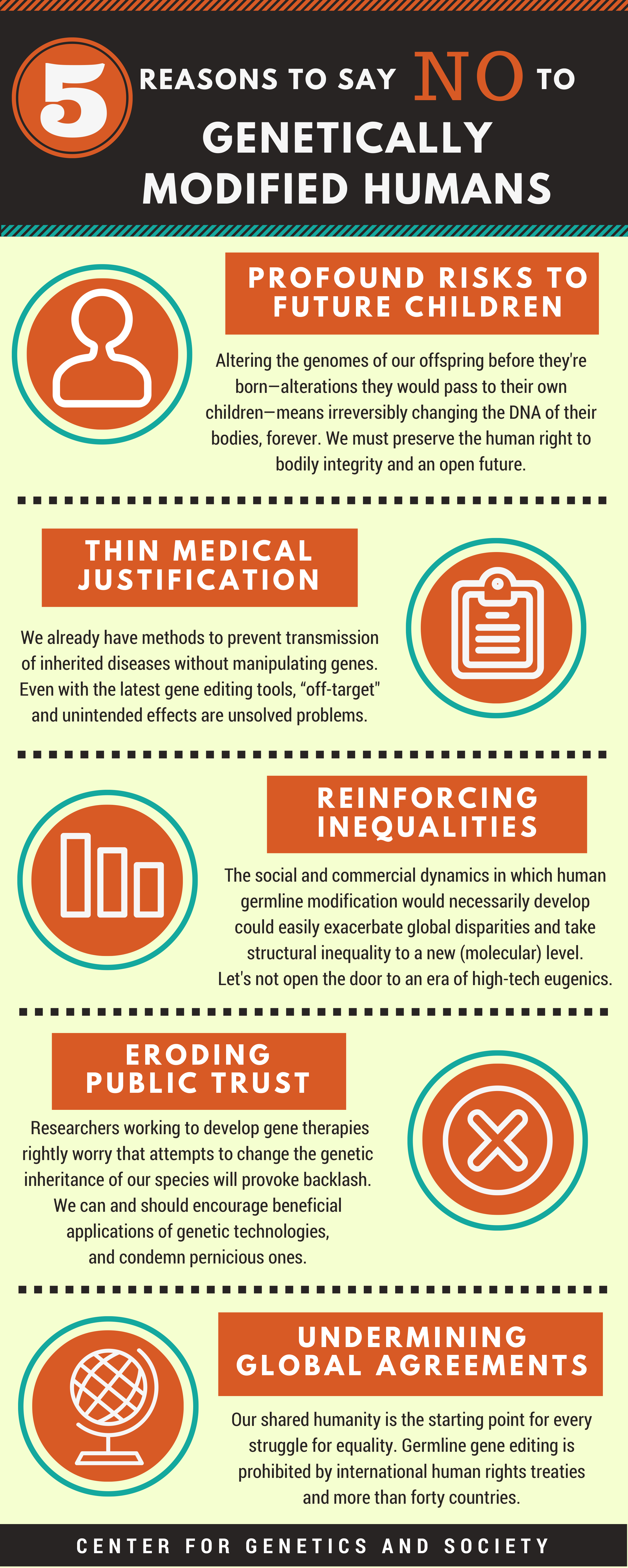
CGS and others assert that heritable genome editing is unsafe, unneeded, and unacceptably dangerous for societal reasons. These points are briefly summarized below.
Among the least explored and most pressing reasons to keep it off-limits are its potentially dire societal consequences. “Heritable genome editing could all too easily wind up as a way for the affluent to claim even greater advantages for their offspring,” Darnovsky said. “Rather than risking a world in which those with ‘genetic upgrades’ are treated as superior to others, let’s use scientific innovation to build an equitable and just future.”
In brief: Reasons to forgo heritable genome editing
- Heritable genome editing would be unsafe. The present state of gene editing technology is too unpredictable to use in human reproduction. Both off-target and incomplete edits have been observed in laboratory experiments. Moreover, the broad unintended effects of genetic changes in humans and other animals are poorly understood.
- Heritable genome editing is unneeded. Embryo screening and selection is a routine procedure in IVF clinics. In almost every case, this enables would-be parents who know they are at risk of passing on a genetic condition to avoid doing so and to have children who are genetically related to both. In every case, the use of third-party eggs or sperm could prevent the transmission of an inherited condition.
- Heritable genome editing would pose unacceptably dangerous societal risks. If allowed to proceed, heritable genome editing would be difficult to limit or constrain to particular conditions. Allowing it in any form would open the door to exacerbating inequalities and creating a world of genetic haves and have-nots, in which some people’s children are considered biologically superior.

San Francisco - Two social justice organizations, the Center for Genetics and Society and the Equal Justice Society, and an individual plaintiff, Pete Shanks, have filed suit against the state of California for its collection and retention of genetic profiles from people arrested but never convicted of any crime. The Electronic Frontier Foundation (EFF) and the Law Office of Michael T. Risher represent the plaintiffs. The suit argues that retention of DNA from innocent people violates the California Constitution’s privacy protections, which are meant to block overbroad collection and unlawful searches of personal data.
“One-third of people arrested for felonies in California are never convicted. The government has no legitimate interest in retaining DNA samples and profiles from people who have no felony convictions, and it’s unconstitutional for the state to hold on to such sensitive material without any finding of guilt,” said Marcy Darnovsky, Executive Director at the Center for Genetics and Society.
While California has long collected DNA from people convicted of serious felony offenses, in 2009 the state doubled-down on this policy to mandate DNA collection for every single felony arrestee, including those later determined to be innocent. The number of intimate details that can be revealed by a person’s DNA only increases as technology develops, exposing plaintiffs to ever heightening degrees of intrusiveness. After collection, the DNA is analyzed and uploaded to the nationwide Combined DNA Index System, or “CODIS,” which is shared with law enforcement across the U.S.
DNA identification is widely but mistakenly seen as a “fool-proof” technology. Studies and real-life cases have shown that there are myriad ways that it can implicate innocent people for crimes, ranging from crime-lab sample mix-ups and sample contamination by forensic collectors, to subjective misreading of complex mixtures containing genetic material from multiple donors, to selective presentation of the evidence to juries.
Including an individual’s DNA in CODIS increases the chance that they could wrongly become a suspect in a criminal case. And because of the deep racial disparities that plague our criminal justice system, DNA collection and retention practices disproportionally put people of color at risk of mistaken arrest and conviction.
“The overexpansion of the CODIS database and California’s failure to promptly expunge profiles of innocent arrestees exploits and reinforces systemic racial and socio-economic biases,” said Lisa Holder, Interim Legal Director at the Equal Justice Society. “We want the court to recognize that California’s DNA collection and retention practices are unfairly putting already vulnerable poor communities and people of color at even greater risk of racial profiling and law enforcement abuse.”
California allows people who were never convicted of a felony to apply to have their DNA expunged from the system. But the existing statutory process is lengthy and uncertain, and many people may not even know it exists because of inadequate notice requirements. While an estimated 750,000 individual profiles gathered over the last decade could be eligible to be removed from the database, only 1,510 expungement requests have been made, and only 1,282 were granted.
The indefinite retention of thousands of DNA profiles from people who are acquitted or never charged violates the California Constitution, which affords both a right to privacy and a right against unlawful searches and seizures that are specifically aimed at protecting people from the government’s overbroad retention of personal information. “If I’m innocent, arrested by mistake, it shouldn’t be up to me to get my DNA data removed. It should be automatic,” said individual plaintiff Pete Shanks.
“Our DNA contains our entire genetic makeup—private and intensely personal information that maps who we are and where we come from. The state’s failure to automatically expunge DNA samples and profiles from the hundreds of thousands of Californians who were not ultimately convicted of a crime is unconstitutional,” said EFF Staff Attorney Jamie Lee Williams. “It’s time for the state to start honoring the privacy rights guaranteed to all Californians.”
For the full complaint: https://www.eff.org/document/complaint-49
Contacts:
Marcy Darnovsky, Executive Director
Center for Genetics and Society
510.665.7760, ext 305 | darnovsky[AT]geneticsandsociety[DOT]org
Lisa Holder, Interim Legal Director
Equal Justice Society
323.683.6610 | lholder[AT]equaljusticesociety[DOT]org
Jamie Lee Williams, Staff Attorney
Electronic Frontier Foundation
415.436.9333 x164 | jamie[AT]eff[DOT]org
Pete Shanks, individual plaintiff
831.421.0480 | pete[AT]wordsontheweb[DOT]com