


News
Justin Schleede reaches onto a black lab bench to pick up a tray of small plastic tubes.
"These are saliva...
"If proven to be safe, we believe preventive gene editing could be one of the most important health technologies of...
Groundbreaking Social Justice Principles on Heritable Human Genome Editing Released by International Coalition of Advocates and Scholars
Endorsed by 70+ Individuals and Organizations
An international coalition of scholars, advocates, and social change organizations today released Social Justice and Human Rights Principles for Global Deliberations on Heritable Human Genome Editing. This document is the first to explicitly center gender justice, disability rights, and human rights in the high-stakes deliberations on the potential use of heritable human genome editing – that is, altering the DNA of embryos or gametes to result in genetically modified children.
Five years ago, the first CRISPR babies were born due to the actions of one reckless scientist. While his dangerous work was condemned globally, a small circle of elite scientists has continued to push for allowing heritable genome editing experiments.
“There has been plenty of high-profile discussion by scientists and ethicists, but nothing like these principles, which treat heritable genome editing as a social justice issue,” said Katie Hasson, Associate Director of the Center for Genetics and Society. “The perspectives of civil society are sorely needed in these conversations, especially given the risks posed to society and repeated calls for broad and inclusive public debate.”
The eleven principles are based in intersectional social justice perspectives and intended to guide policy making and public engagement on heritable genome editing. They were developed by the Gender Justice and Disability Rights Coalition on Heritable Genome Editing, a group of 16 scholars, advocates, and organizations from 10 countries, convened by the Center for Genetics and Society (CGS). The Principles have been endorsed by 70+ individuals and organizations from around the world.
“When it comes to issues such as climate change, abortion, and immigration, we fully expect leadership from social justice organizations. But when we consider CRISPR and other biotechnologies, their perspectives are not represented. This coalition came together to change that,” said Emily Galpern, CGS consultant and coordinator of the Coalition. “We can only address the risks that heritable genome editing poses to society as a whole, and to historically marginalized groups in particular, by bringing social justice perspectives to the fore.”
The Principles call on governments to prioritize social justice and human rights in policy related to heritable genome editing, declaring: “It is essential to apply the frameworks of gender, disability, racial, reproductive, economic, environmental, and LGBTQ rights and justice, human rights, Indigenous sovereignty, and the rights of children and future generations in all policy concerning heritable human genome editing. Our future depends on it.”
The Principles lay out a bold and inspiring vision for a fair and inclusive future for all. They ground the Coalition’s claim that there is no argument for pursuing heritable genome editing that would align with these feminist, anti-eugenic, and human rights principles.
“We want policymakers and the public to know that heritable genome editing carries high stakes for society. Considering its societal impacts is equally as essential as discussing safety or ethics,” said Isabelle Bartram, Program Director for Gen-ethisches Netzwerk e.V. (Gen-ethical Network), a German nonprofit based in Berlin and an organizational member of the Coalition.
The Coalition will now develop model policies grounded in the principles for governing heritable human genome editing that can be adapted by international, national, or regional bodies.
####
Access a summary or the full text of the Social Justice and Human Rights Principles for Global Deliberations on Heritable Human Genome Editing.
For more information, please contact Katie Hasson (khasson@geneticsandsociety.org) or Isabelle Bartram (isabelle.bartram@gen-ethisches-netzwerk.de).
The Center for Genetics and Society is a non-profit organization that brings social justice and human rights to the center of public and policy discussions about human genetics and assisted reproduction.
Events and initiatives highlight widespread opposition to altering the genes of future children and generations
“Genetic Justice from Start to Summit” symposium now available online
The Center for Genetics and Society’s virtual symposium “Genetic Justice from Start to Summit” was held this week in anticipation of the Third International Summit on Human Genome Editing. The CGS symposium, which drew hundreds of attendees from 18 countries, featured 12 speakers examining heritable genome editing from the perspectives of disability rights, reproductive rights and justice, racial justice, environmentalism, and human rights. The symposium sessions are now available online.
CGS Associate Director Katie Hasson, who will be attending the upcoming summit and related events, summarized the symposium’s message this way: “Heritable genome editing is not safe, fills no unmet medical need, and would worsen inequality and discrimination. We don’t see any place for heritable genome editing in the fair and inclusive future we aspire to build.”
At last year’s Royal Society / National Academies virtual conference, Hasson spoke about existing prohibitions against heritable genome editing, which are globally widespread. “More than 70 countries already have prohibitions against heritable genome editing. That’s an astounding level of global agreement,” she said, referencing a global policy survey she co-authored. “No small group of scientists, however elite, has the authority to ignore such clear societal signals and push ahead with this risky and controversial technology,” she said.
In another sign of growing engagement and opposition, an international declaration against legalization of heritable genetic modification has been launched by a new coalition of advocacy organizations including CGS.
Further, several events will take place in the UK and online in the coming days to air concerns about and opposition to heritable genome editing. Organized by a range of advocacy and academic groups (a list is available here), they each urge that deliberations and debate be opened to a greater range of voices and perspectives than has been heard to date.
“This unprecedented level of organizing in response to the Summit demonstrates a growing recognition that essential voices are missing,” Hasson said. “This is a challenge to the Summit organizers. They risk the legitimacy of their discussions by not honoring the commitment to 'broad societal consensus’ they made at their first meeting in 2015.”
####
For more information, please contact Katie Hasson (khasson@geneticsandsociety.org) or Marcy Darnovsky (darnovsky@geneticsandsociety.org) or call (510) 665-7760.
The Center for Genetics and Society is a non-profit public affairs and policy advocacy organization working to encourage responsible uses and effective societal governance of human genetic and reproductive biotechnologies.
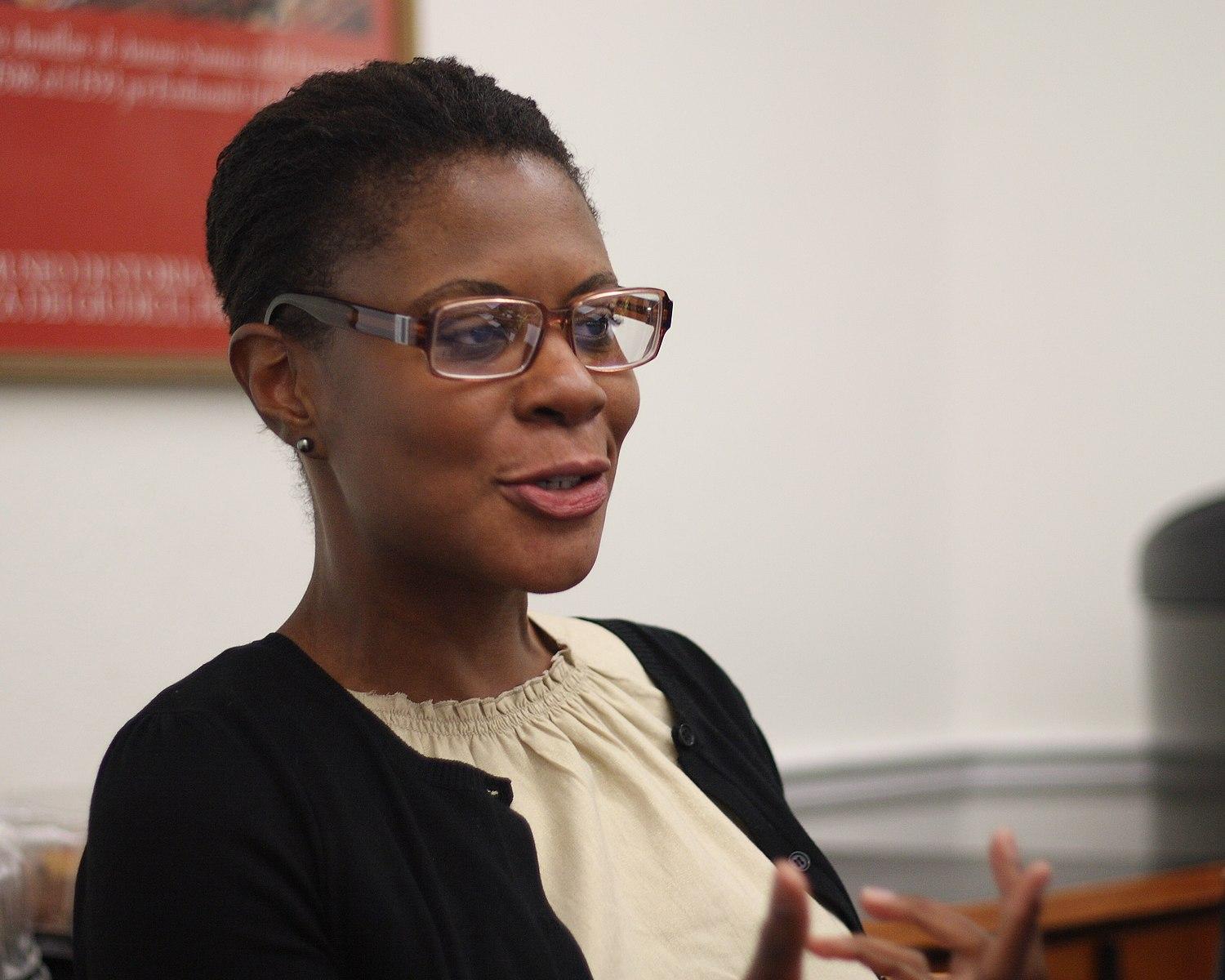
photo by Sage Ross
If Alondra Nelson has found the last few months head-spinning, she doesn’t let on. I ask...
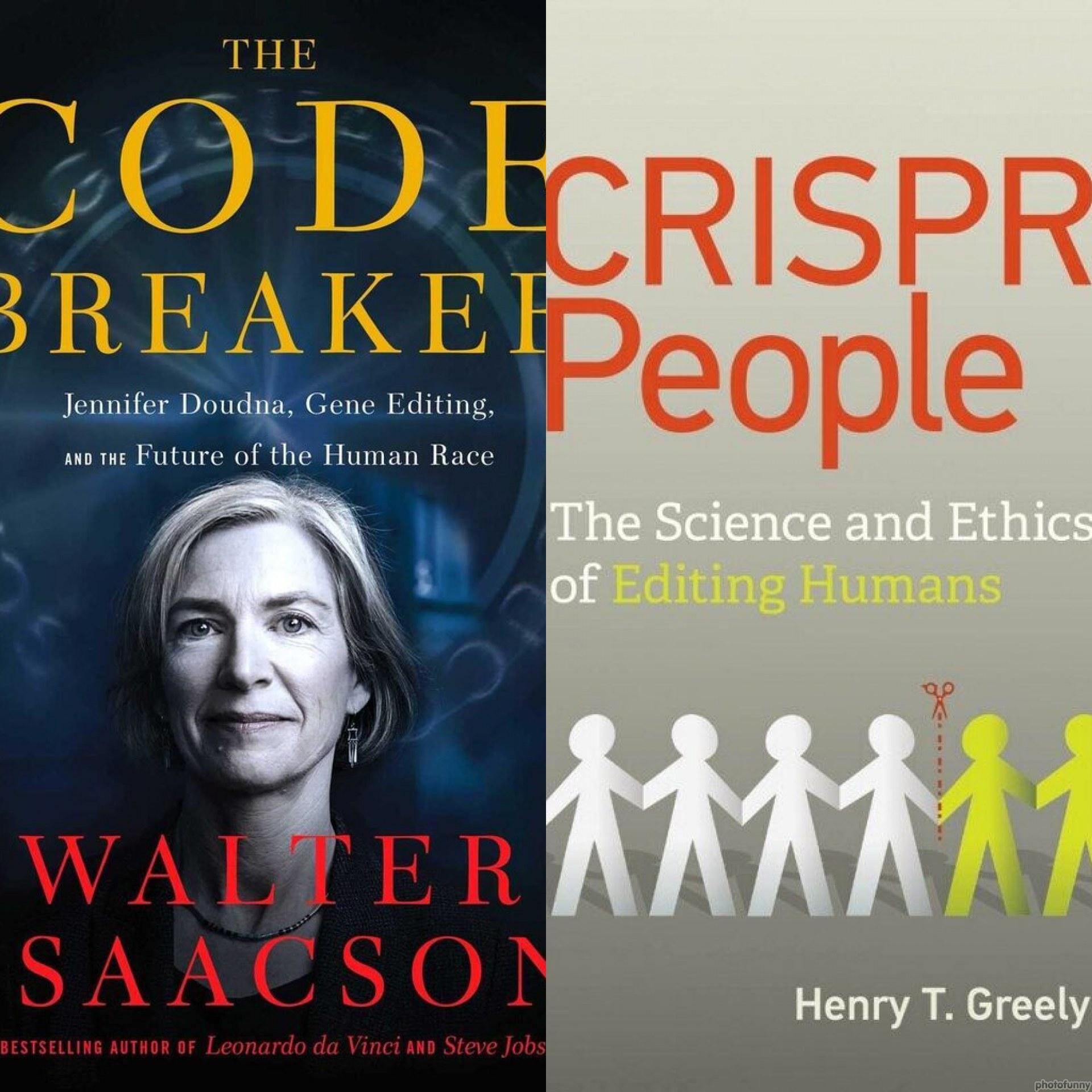
Henry Kissinger, Benjamin Franklin, Steve Jobs, Albert Einstein, Leonardo da Vinci: Giants in their fields and times, these men also...
Photo by United Nations Photo on Flickr
“But can we trust the Taliban on women’s rights?” has been a favorite...
WHO committee recognizes need for global cooperation, meaningful public engagement on heritable genome editing; falls short by not calling for global ban
Today a World Health Organization advisory committee released two reports with recommendations for governance of human genome editing, the first report on this topic coming from a global authority. The committee’s recommendations on heritable genome editing – that is, altering the genes of future children and generations – have been eagerly awaited, especially in light of efforts by some scientists to chart a “translational path” toward its clinical use.
“On heritable genome editing, the WHO recommendations avoid some of the pitfalls of other recent reports,” said Marcy Darnovsky, PhD, Executive Director of the Center for Genetics and Society. “The WHO committee doesn’t preempt the whole conversation by setting out a predetermined path for bringing CRISPR-baby technology to market. But neither do they set up the ‘off limits’ signs that are so clearly needed.”
Unlike several influential reports on heritable genome editing, the WHO reports give significant weight to the global societal repercussions of heritable genome editing, and to the vast social inequalities and profit motivations that would shape its use. The WHO committee recognizes the existing widespread prohibitions on heritable genome editing, already established by more than 70 of its member nations and a Council of Europe treaty. They call for global cooperation, acknowledging that lack of international coordination would allow unscrupulous scientists and entrepreneurs to evade rules and regulations. But the reports stop short of calling for a global ban or moratorium, putting the WHO out of step with many of its member states.
“Sitting back and allowing countries to go their own ways would be a huge mistake,” said Katie Hasson, PhD, the Center for Genetics and Society’s Program Director on Genetic Justice. “The WHO reports recognize this, and call for global cooperation – an entirely feasible prospect, since so many countries already have policies that prohibit heritable genome editing. It’s disappointing that their recommendations don’t go further.”
The WHO reports also make a welcome and persuasive case for broad, inclusive, and meaningful public engagement and empowerment in the debate about heritable genome editing. The Center for Genetics and Society, among other organizations, contributed to the extensive consultation process leading up to these reports, and this should be just the beginning of a bigger role for civil society voices.
“If allowed, heritable genome editing would reinforce and exacerbate existing inequalities and pose significant harms to women, children, and marginalized groups, especially considering the history of eugenics and policing reproduction. Despite this, the perspectives of civil society groups working toward gender, racial, disability, reproductive, and LGBTQ justice have seldom been sought or heard,” Hasson said. “A global moratorium, at the very least, is needed to provide time for the public empowerment process that the reports encourage, and to apply the principles of social justice and solidarity that they invoke.”
While not explicitly recommending a global moratorium, the advisory committee has called on the WHO Director General to reiterate his July 2019 statement that heritable genome editing experiments would be irresponsible at this time and should not be approved by national regulatory bodies.
“The WHO reports should serve as a wake-up call for those who think that heritable genome editing can be controlled through professional guidelines that scientists or fertility doctors set up behind closed doors – or by countries vying for technological ‘firsts’,” Darnovsky said. “Without robust and inclusive public engagement, global cooperation, and enforceable policies, we’re headed down a path toward shady offshore CRISPR-baby clinics offering ‘upgraded’ genomes to those who can afford them. Heritable genome editing can play no part in a fair and inclusive global future.”
For more information, please contact Dr. Hasson (khasson@geneticsandsociety.org) or Dr. Darnovsky (darnovsky@geneticsandsociety.org) or call (510) 665-7760.
####
The Center for Genetics and Society is a non-profit public affairs and policy advocacy organization working to encourage responsible uses and effective societal governance of human genetic and reproductive biotechnologies.
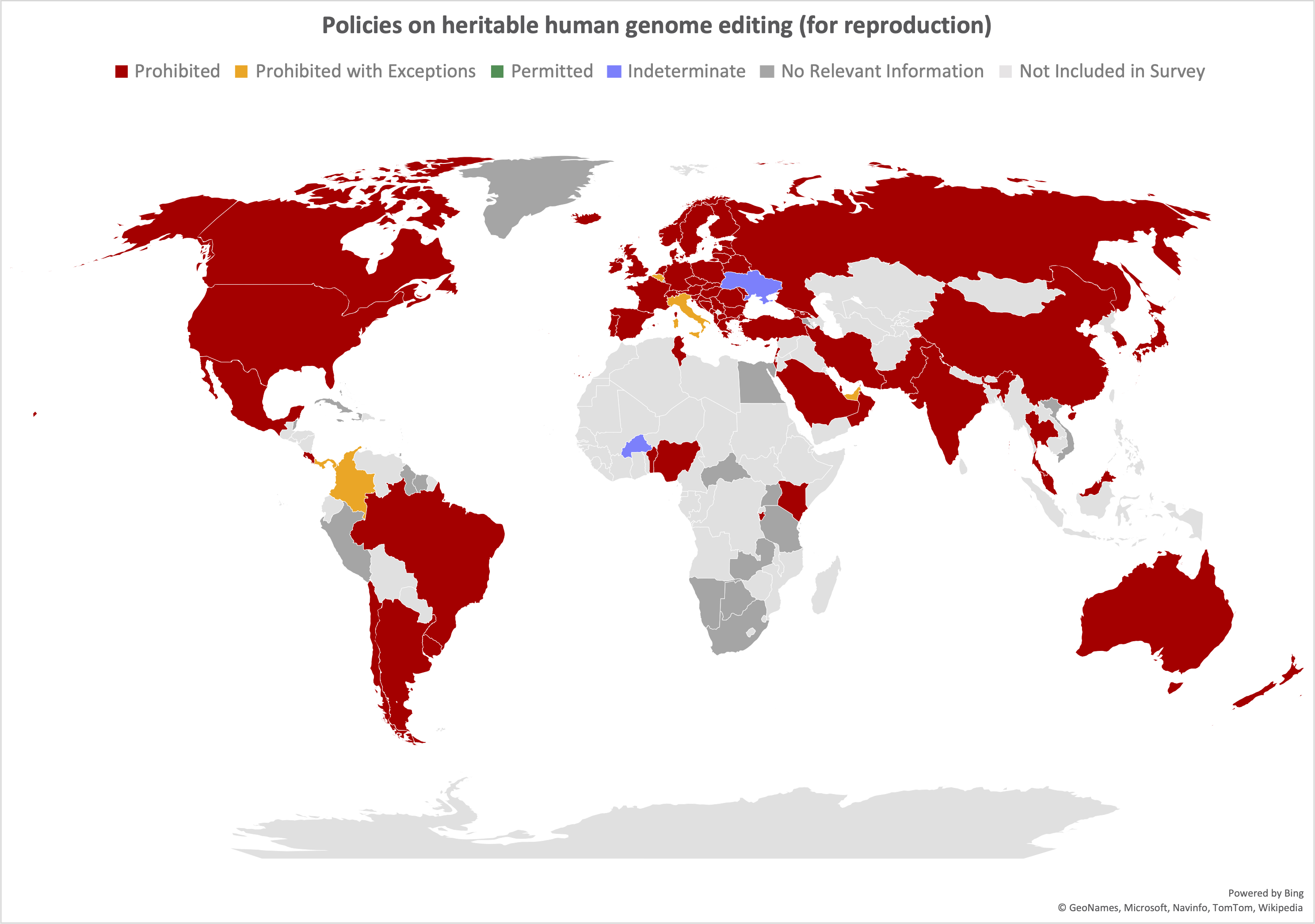
New research just published in The CRISPR Journal finds that 70 countries categorically prohibit heritable human genome editing – procedures that would result in the birth of genetically modified children (so-called CRISPR babies). The results contrast with widespread underreporting of existing policies, as well as with claims that international cooperation would be unlikely on the issue of heritable genome editing for human reproduction.
The findings, from researchers at the Center for Genetics and Society (CGS) and Dalhousie University, are particularly important at a time when high-profile international committees are issuing global policy recommendations. Such committees have been convened by the World Health Organization, and by the U.S. National Academies of Sciences and Medicine in conjunction with the UK Royal Society.
“Given the high stakes of upcoming decisions about how to govern heritable human genome editing, a clear picture of the existing policy situation is urgently needed,” said Marcy Darnovsky, PhD, co-author and CGS executive director. “Seventy nations already have policies that put heritable human genome editing off limits. With such wide concurrence, a global agreement could be within reach.”
The researchers surveyed policies from 106 countries, more than half of the world’s nations, and found that 70 countries prohibit heritable genome editing, while an additional five prohibit it but allow for possible exceptions. The policies in the remaining countries either have no clear stance on the permissibility of heritable genome editing or are silent on the topic. No country explicitly permits it.
“It’s been frustrating to see how infrequently scholarly and public discussions acknowledge the large number of countries that prohibit heritable human genome editing,” noted Katie Hasson, PhD, co-author and CGS program director on genetic justice. “We took on this project to provide transparent assessments of existing policies in a broad range of countries. It was important to us to publish Open Access and provide our underlying data to make this information widely available to researchers, policymakers, and the public. We hope these findings will be taken up seriously in ongoing and future discussions.”
The policy landscape was much less clear for the related practice of human germline genome editing, in which early embryos, gametes, or gamete precursor cells are genetically modified for laboratory research but are not used to initiate a pregnancy. The majority of the countries surveyed (56) have no policies on its permissibility or impermissibility. Eleven countries explicitly permit it, twenty-three prohibit it (four of these allow exceptions), and six have indeterminate policies.
Full text of this Open Access article, “Human Germline and Heritable Genome Editing: The Global Policy Landscape,” by Françoise Baylis, Marcy Darnovsky, Katie Hasson, and Timothy M. Krahn, can be found in The CRISPR Journal, Vol. 3, Issue 5. The underlying data are available as Supplementary Materials on the journal’s website. As new information becomes available, the authors will provide updated tables, which can be found at https://tinyurl.com/HumanGenomeEditingPolicies.
For more information, please contact Dr. Darnovsky (darnovsky@geneticsandsociety.org) or Dr. Hasson (khasson@geneticsandsociety.org) or call (510)665-7760.
####
The Center for Genetics and Society is a non-profit public affairs and policy advocacy organization working to encourage responsible uses and effective societal governance of human genetic and reproductive biotechnologies.

A report released today by the U.S. National Academies of Sciences and Medicine and the U.K. Royal Society lays out a road map to clinical uses of heritable genome editing – that is, altering the genes and traits of future children and generations. The commission was mandated to focus on technical safety in developing this “translational pathway [to] clinical uses” of what is sometimes called “CRISPR-baby technology.” But its statement of task includes the stipulation “should society conclude that heritable human genome editing applications are acceptable.”
“The commission’s mandate was flawed from the start,” said Marcy Darnovsky, PhD, Executive Director of the Center for Genetics and Society (CGS). “The idea that now is the time to set aside the deeply controversial question of whether heritable genome editing should be done at all in order to iron out the nitty-gritty details of how it might someday move ahead is completely backwards.
“The commission claims to agree that public participation in this high-stakes decision is essential,” Darnovsky continued. “Why then do its members take it on themselves to make the choice that matters most by setting out a list of acceptable uses and the steps to getting there? Why build a complicated and costly pathway to CRISPR-baby technology unless you know that’s where you want to go?”
The report, Heritable Human Genome Editing, gives a useful account of the significant scientific and technical challenges that editing the genes of embryos would entail. Though it frequently refers to the ethical and societal challenges involved, it does not address these in any detail. It includes an entire chapter on governance and policy issues, but downplays the widespread prohibitions on heritable genome editing in place around the world, including the Oviedo Convention – a binding international treaty signed by 29 European nations. In fact, a recent policy survey identified more than 70 countries that prohibit heritable genome editing.
“It isn’t really possible to set aside social concerns and values in the way this report tries to do,” said Katie Hasson, PhD, CGS Program Director for Genetic Justice. “They resurface repeatedly, only to be outsourced – like when the report says that public discussion must take place, but that someone else will have to be responsible for it.”
Hasson added, “The report makes a subtle but important shift in focus, from what 'society' might conclude is acceptable to what a given country decides. This move effectively rejects the vital concept of global governance. Without international agreements, the reproductive tourism we already see will surely develop to include cross-border genome editing, with potentially disastrous results.”
Heritable genome editing is deeply controversial among the public; advocates for disability, reproductive, and racial justice; scientists and biotechnology industry figures; and others.
Darnovsky notes, “If heritable human genome editing is approved even for the limited uses that the report lays out, it’s unlikely that any boundaries would hold. Especially where fertility services are offered on a for-profit basis, heritable genome editing would likely escape from scientific recommendations or regulatory limits. We could see gene-editing for embryos marketed as an enhancement technique, and from there the emergence of a market-based eugenics that would exacerbate already existing discrimination, inequality, and conflict.”