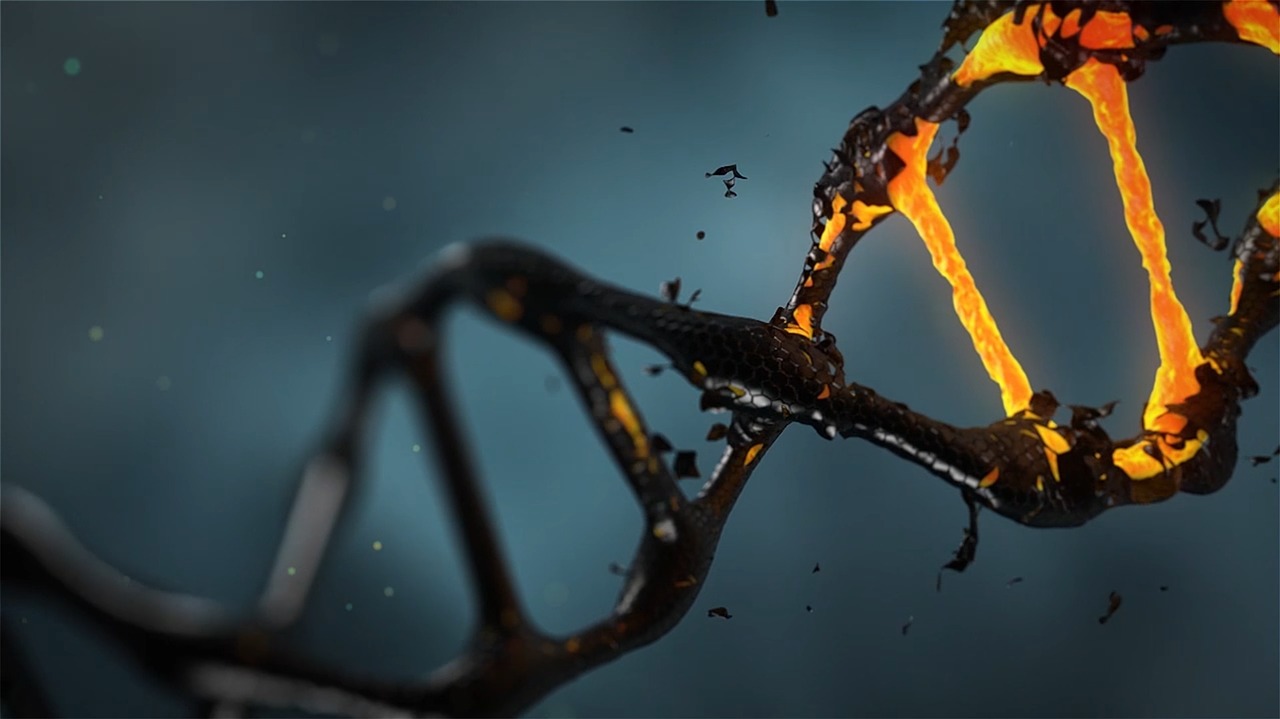
The Brave New World of Gene Editing
By Matthew Cobb,
New York Review of Books
| 07. 13. 2017
In recent years, two new genetic technologies have started a scientific and medical revolution. One, relatively well known, is the ability to easily decode the information in our genes. The other, which is only dimly understood by the general public, is our newfound capacity to modify genes at will. These innovations give us the power to predict certain risks to our health, eliminate deadly diseases, and ultimately transform ourselves and the whole of nature. This development raises complex and urgent questions about the kind of society we want and who we really are. A brave new world is just around the corner, and we had better be ready for it or things could go horribly wrong.
The revolution began in benign but spectacular fashion. In June 2000, President Bill Clinton and Prime Minister Tony Blair announced the completion of the first draft of the human genome. According to a White House press statement, this achievement would “lead to new ways to prevent, diagnose, treat, and cure disease.” Many scientists were skeptical, but the public (who footed much of the $3...
Related Articles
By Alexandra Minna Stern, Los Angeles Review of Books | 09.26.2026
This is the 17th installment in the Legacies of Eugenics series, which features essays by leading thinkers devoted to exploring the history of eugenics and the ways it shapes our present. The series is organized by Osagie K. Obasogie in...
By Erik Adams, Sundance | 09.08.2026
The scariest movie playing at the 2026 Sundance Film Festival isn’t about cursed audio recordings or a killer demon disguised as your true love; rather it’s a 110-minute essay film about how a handful of guys obsessed with numbers and...
By Anna L. Philippe, Pop Panic | 09.17.2026
What does it mean when education is considered a threat to population? As an education student, I am interested in the ways population panics are essentialized and circulated in formal education settings. Schools can play a major role in shaping...
What We Inherit by Sam Trejo and Daphne O. Martschenko; and Original Sin by Kathryn Paige Harden have a great deal in common, with substantial differences in style and emphasis. Both books attempt, in different ways, to show the reader just where current research into human genomics stands, where that might be going, and why the authors are interested. In short, the influence of genomic research on our societies is already large and seems likely to change them in ways...