News

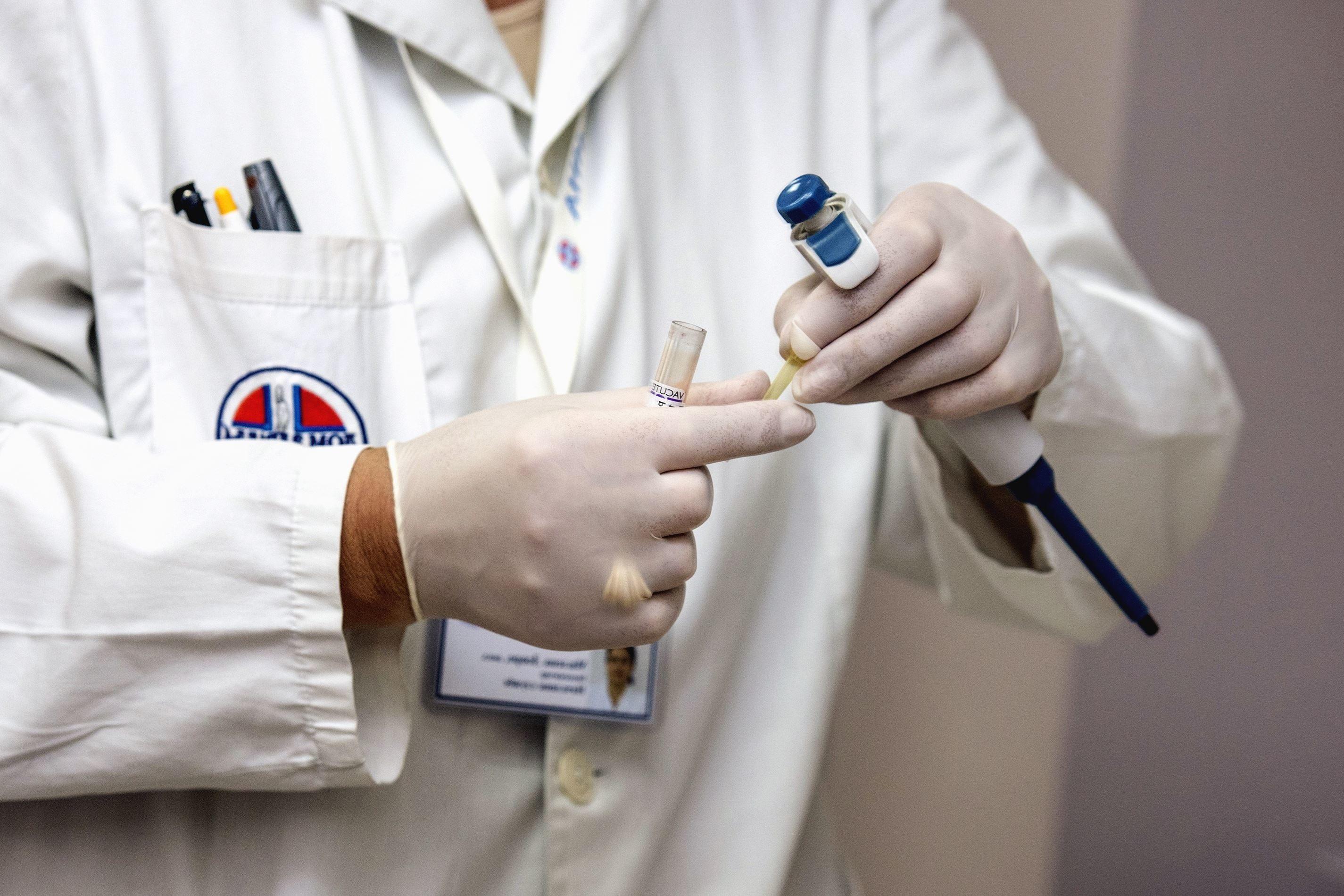
Justin Schleede reaches onto a black lab bench to pick up a tray of small plastic tubes.

"These are saliva samples as well as blood," says Schleede, a geneticist who runs Herasight Inc.'s lab in Morrisville, N.C. "We also...

This is the 15th installment in the Legacies of Eugenics series, which features essays by leading thinkers devoted to exploring the history of eugenics and the ways it shapes our present. You can read the first part here. The series...

"If proven to be safe, we believe preventive gene editing could be one of the most important health technologies of...

WILLIAM BATESON, a foundational figure in the science of genetics at the turn of the last century, once recounted the...

A remote control
By Alexis Soloski, The New York Times | 07.13.2020

Ready for a thought experiment?

Imagine a society that has solved the problems of overpopulation and environmental collapse. Crime is...

Selection in a lab
By Michael Le Page, NewScientist | 07.12.2020

The first reliable way of isolating sperm stem cells from the testes and growing them outside the body could help...

Genetic Information
By Olivia Stefanovich, CBC News | 07.10.2020

Canada's highest court has issued a ruling today upholding a federal law preventing third parties, such as employers and insurance...

By John Jackson, Fardels Bear | 07.08.2020

“In the fullness of time” Steve Hsu assures the listeners on a recent podcast (more about the podcast below) Michigan...

DNA in color
By Heidi Ledford, Nature | 07.08.2020

A peculiar bacterial enzyme has allowed researchers to achieve what even the popular CRISPR–Cas9 genome-editing system couldn’t manage: targeted changes...

Drawing of a gene edit
By Megan Molteni, Wired | 07.07.2020

CRISPR’S POTENTIAL FOR curing inherited disease has made headlines, including at WIRED, for years. ( Hereherehere...

By David Cyranoski, Nature | 07.07.2020

A report revealing China’s effort to collect DNA from millions of men to help solve crimes is raising concerns among...

By Bethany Brookshire, ScienceNews | 07.07.2020

Henrietta Lacks, from whom the “immortal” HeLa cell line was derived in 1951, without permission or compensation

Ethical concerns abound...