


Aggregated News
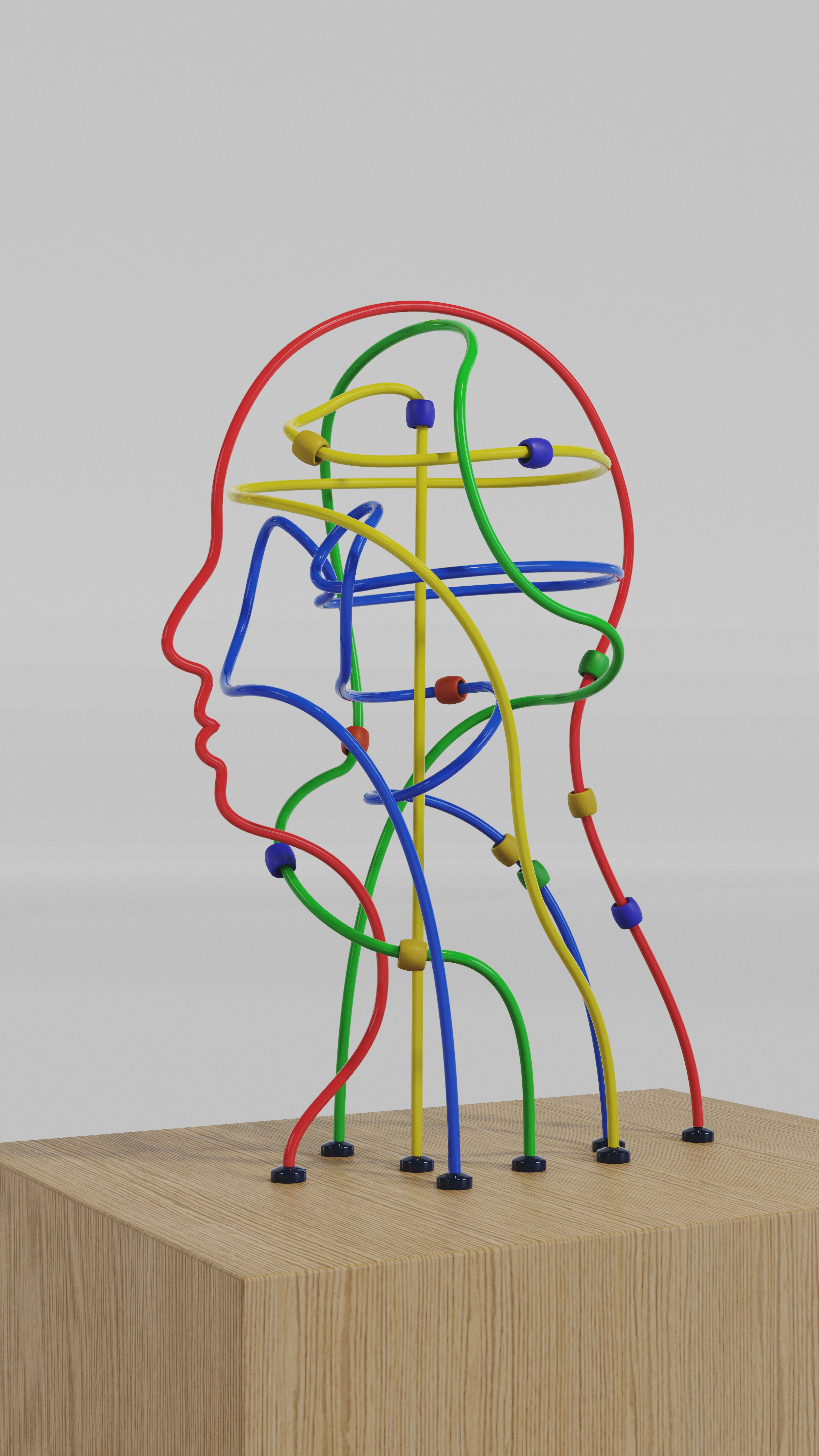
There will come a time, in the not-so-distant future, when you decide to stick a computer chip in your brain.
At least, that’s what D. Scott Phoenix told the audience at TED 2026 in Vancouver last month.
“Someone you work with will get it first. And you’ll hold out for a while, the way you did with the smartphone. But eventually, you won’t,” said Phoenix, dressed in all black with a tiny mic attached to his ear. “The advantages of integration will be hard to compete with.”
Put bluntly, in his view, “We’re on the cusp of the next major transition, the merger of humans and AI.”
This perspective, as outlandish as it may sound, is commonly held in Silicon Valley. OpenAI CEO Sam Altman mused way back in 2017 that “a merge is probably our best-case scenario” for survival after the emergence of superhuman AI. Tech billionaire Peter Thiel is a vocal advocate of “transhumanism.”
There is good reason to be skeptical about an imminent evolution for the species. The technology to perform this kind of merger — to...