


Faster, Higher, Stronger? The Enhanced Games Fall Flat
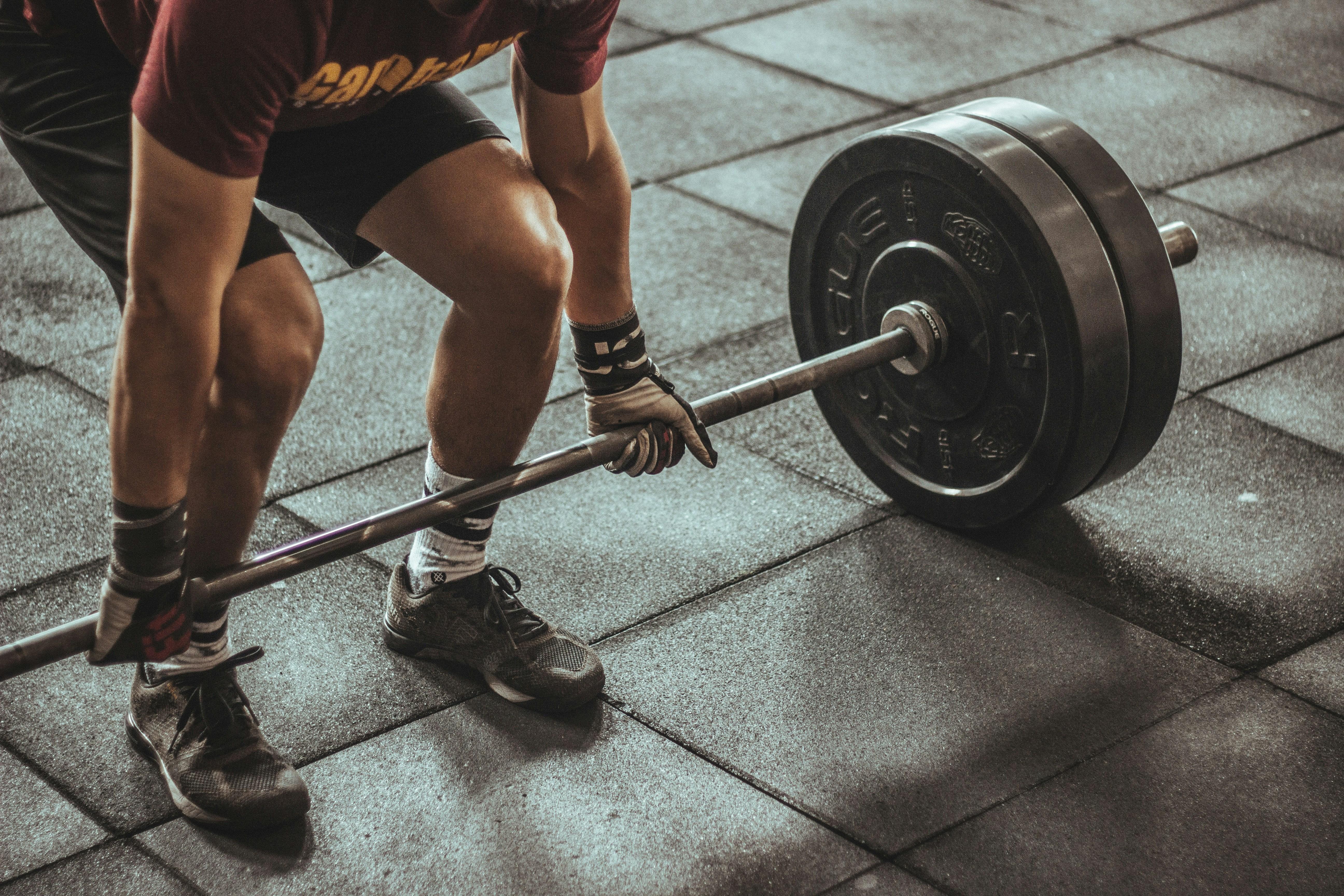
Faster, Higher, Stronger was the Olympic motto from 1874 until 2001, when “ – Together” was added, to stress the “moral and educational perspective” of the Games. The folks who paid for or participated in the Enhanced Games – the name itself a nod to the Olympics – held in Las Vegas on Sunday, May 24, apparently use a different edit:
Faster, Higher, Stronger with Chemistry
High-level sport draws huge crowds. Coming very soon, the soccer World Cup, featuring 48 teams and a “robust anti-doping programme.” But the Olympic Games tops them all. The creators of the Enhanced Games hoped to capitalize on the popularity of the Olympics but leave behind Olympic commitments to the all too human values of fair play and solidarity. The utter failure of their games, in terms of both athletic prowess and popularity, reveals the flimsiness of transhumanist hopes. Even billionaires can’t buy their way out of humanity – but they can still sell that dream to the rest of us.
The Gattaca Games
The idea behind the Enhanced Games was to recruit top-level athletes and pay them to compete. They trained in Dubai for three months, using steroids and other banned substances if they chose, which most entrants did. This was ostensibly to show what humans are capable of when not constrained by mere humanity.
The promoters promised that multiple world records would be broken and offered bonuses on top of their winnings to athletes who achieved this. They also planned to use the games as an occasion to sell “enhancement” drugs, including steroids, testosterone supplements, and peptides.
The concept of such extra-legal Games has been discussed for a while. On June 18, 2025, Wired published:
The Definitive, Insane, Swimsuit-Bursting Story of the Steroid Olympics
CGS also wrote about The Post-Human Games, adding more detail about the financial history, in which Peter Thiel, the transhumanist billionaire, was involved. Thiel seems to have backed away from fronting this effort, ceding that to Christian Angermayer, a German billionaire with a financial and personal interest in psychedelics. He insisted, in a quote so striking that The Guardian made it a headline:
We’re the good ones. I really believe that.
The much-hyped Enhanced Games did finally take place, in Las Vegas, on Sunday, May 24, 2026. They flopped.
In total, there were 9 swimming events (7 men’s, 2 women’s); and 9 weightlifting (again, 7 men’s, 2 women’s) and only 2 running events (men’s and women’s 100 meters, heats and finals). The term “heats” generally refers to a whittling down of the competitors, so the fastest go through to the final. In this event, all the runners qualified.
Three non-enhanced athletes won their events. There was only one world record-beating performance, in swimming, even with the advantages of banned substances and equipment.
That swimmer not only used performance-enhancing drugs, he also wore a swimsuit specifically designed to reduce friction in the water and thus improve performance. Both are banned from the Olympics and other first-class events.
Several people online wrote in the comments that the reported time is wrong, that the clock stopped before the swimmer touched the wall. The world record is 20.88 seconds; the officials announced that the race was won in 20.81 seconds. Which if accurate would of course be an enhanced world record. 7/100 of a second is not easy to check. The organizers dismissed these claims as “drivel.”
At The New Republic, Virginia Heffernan focused on the many failures among the doped athletes, in a excellent article titled “When Peter Thiel and Don Jr. Lose, It’s a Great Week for Humanity”:
... Sport, which should highlight the triumph of the human spirit, is unwatchable when it’s geared to highlight the triumph of lab-made biochemicals. Why not just have robots race?
On the track, the Paris Olympics silver medalist Fred Kerley, who did not take banned drugs but won the men’s 100m in Vegas, clearly enjoyed putting down his rivals:
“Man, they need to do better than that. They need to work a little bit harder, get on that shit a little bit more.”
For a detailed, well-reported account of the event, the place to go is TechCrunch:
What happens in Vega$: steroids, swimmers, and a billion-dollar hustle
By Lukas Ropek
You can also slog through six hours of it on YouTube.
Selling Transhumanism
The company behind the effort, Enhanced Group Inc. (ENHA), absolutely denies the flop. They have plenty of money, with initial backing from multi-billionaire Peter Thiel (1, 2, 3, etc) and a late infusion of cash from a venture capital firm of which Thiel was a founder and Donald Trump Jr. is now a partner. But the stock market can be brutal.
ENHA’s stock, which had been over $10 per share, closed the following week at $3.01, up a little from a low of $2.68.
Given the dismal debut and falling stock price, the Enhanced Games seems unlikely to catch on as a competitor to the Olympics, but its organizers have already promised it will continue. Some predict that its real success will be in selling consumers unproven drugs for enhancement and longevity. HHS Secretary RFK Jr.'s affinity for peptides and attempts to make them easier to access by changing FDA rules bolster these predictions.
Like other risky biotech ventures, the Enhanced Games can’t deliver on its promises of human enhancement. The supplements they're hawking won't unlock superhuman performance or lifespans (they might even shorten them), but they might extend the transhumanist fantasy.