


Aggregated News
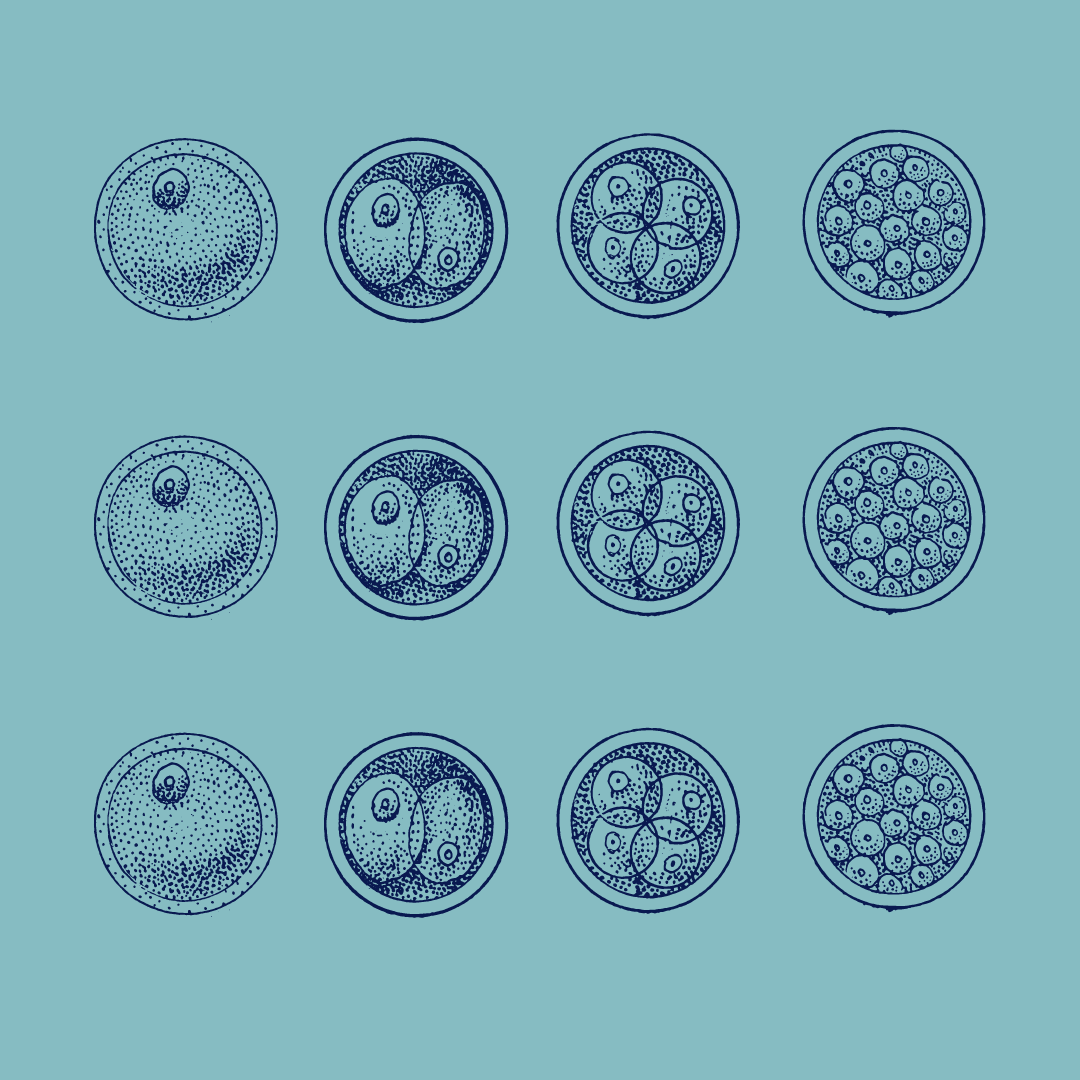
Scientists at Columbia University have edited the DNA of early human embryos with unprecedented accuracy, an achievement that could open the way to babies engineered with particular characteristics.
The prospect has fueled controversy for years. On the one hand, the technology might one day enable parents to safely repair disease-causing mutations in embryos. But it might also be used to select desired traits — a practice that some ethicists have argued is nothing short of eugenics.
Dieter Egli, a geneticist at Columbia University who led the research, called for a public conversation about the pros and cons of altering embryonic DNA. “As a scientist, you can provide the data for discussion, but then essentially there you stop and let others take over,” he said.
With a newer technology called base editing, Dr. Egli and his colleagues were able to meticulously replace individual genetic letters in sequences of DNA without causing the damage often observed with an earlier form of gene editing, CRISPR.
Dr. Egli cautioned that the research left unanswered many questions about harmful side effects. “We’re not saying...