


Reproductive Justice, Health & Rights
Advocates for reproductive health, rights, and justice are increasingly aware of the safety and social risks of assisted reproductive technologies and other human biotechnologies, particularly for women and children.
While assisted reproduction has helped many people create families, the long-term risks of these technologies – particularly those that require egg provision – are grossly understudied. In the U.S., assisted reproduction has developed almost entirely in the commercial sector and is notoriously underregulated.
Heritable genome editing, if allowed, would develop in this same commercial sector. Reproductive justice advocates draw attention to the risks to women and children’s health and wellbeing, the historical context of population control and reproductive oppression, and the likelihood that it would exacerbate reproductive, racial, and disability injustice.
Aggregated News
Photo from Belly of the Beast, used by permission
Yesterday, California became the third state in the nation to...
Bill McKibben and john a. powell came discuss the “Climate Crisis, Designer Babies, and Our Common Future.” The event was moderated by Osagie K. Obasogie, Professor of Bioethics at UC Berkeley.
While embryo selection and gene editing technologies may offer great hope to couples looking to prevent hereditary disease or improve fertility. The debate over these technologies has reignited concerns that we are closer to slipping down the slope to designer babies than ever before. Are these fears warranted…or overblown?
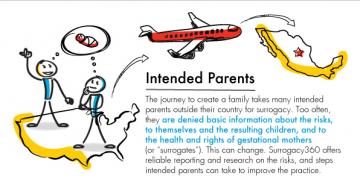
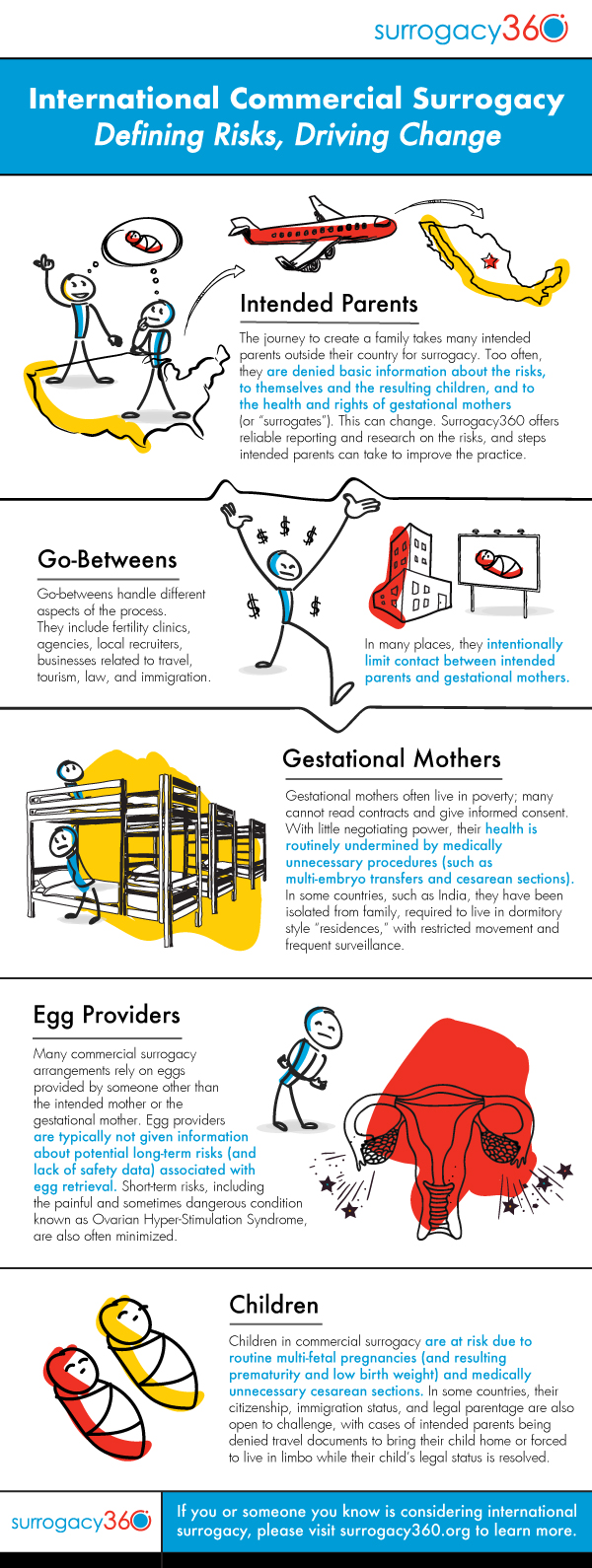
International Commercial Surrogacy - Defining Risks and Driving Change [Surrogacy360]
Powerful new “gene editing” techniques have put the prospect of genetically modified human beings on the foreseeable horizon. Should we use these tools to improve the human species? Are they needed to prevent the transmission of genetic diseases? Would manipulating the genes of future children and generations open the door to new kinds of discrimination, inequality, and eugenics? Marcy Darnovsky unpacks the controversies that have erupted in recent months about how we should — and should not — use gene editing tools, and explores the technical, social, and ethical stakes of these imminent decisions.