


Aggregated News
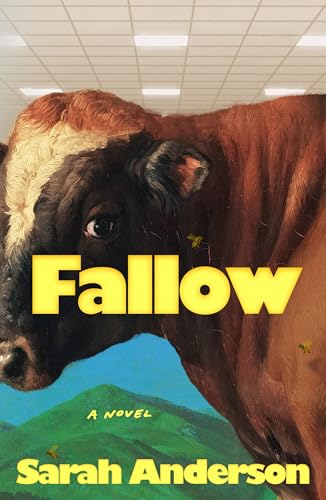
There’s a certain kind of novel that’s not quite apocalyptic enough to be science fiction, but just far-fetched enough to be speculative. No one is from outer space; society has not yet been carved up into a hierarchy of groups with their own capitalized names. It is set in a recognizable present day—our already surreal moment of technology-driven surveillance capitalism. Its premise is plausible enough that reading it induces a specific kind of queasiness, along with an earnest prayer that Elon Musk hasn’t yet seen it and gotten any ideas.
This genre is fertile ground for feminist writers, perhaps because it doesn’t take much more than checking out the latest proposals coming out of, say, the Texas Statehouse, to send the imagination spiraling into worst-case scenarios. For women who have benefited most from centuries of progress—the college-educated women writing in rooms of their own—and feel viscerally how much they have to lose, the not-quite-sci-fi novel is a place to work out those fears.
In Sarah Anderson’s debut novel, Fallow, a young woman named Natalie finds herself, like so many...