DREDF Denounces RFK Jr.’s Comments on Autism as Hateful, Harmful and Uninformed
By Staff,
DREDF
| 04. 17. 2025
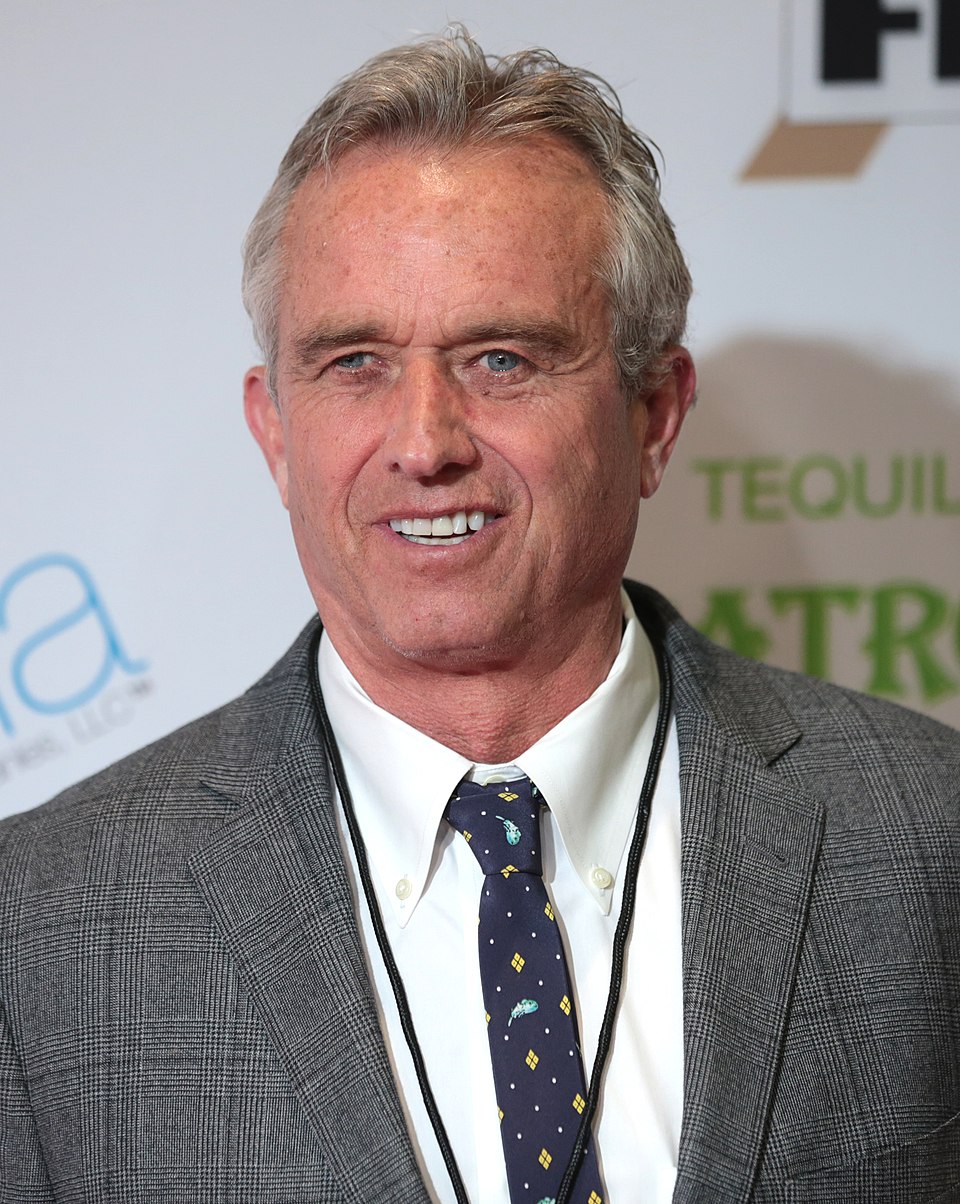
"Robert F. Kennedy Jr." by Gage Skidmore via Wikimedia Commons licensed under CC by SA 3.0
U.S. Department of Health and Human Services (HHS) Secretary Robert F. Kennedy Jr.’s recent statements on autism are hateful, uninformed, and extraordinarily harmful to the disability community. Secretary Kennedy ignores science and the demonstrable truths that autistic people live fulfilling lives, are loved and cherished by their friends and families, and contribute meaningfully to society. It is shameful and concerning that Secretary Kennedy is weaponizing his current position to spread his own unfounded and fully discredited beliefs.
Responding to a new study by the Center for Disease Control and Prevention (CDC) that found 3% of children in the U.S. have autism, Secretary Kennedy said the rise in diagnoses constitutes an “epidemic,” blaming environmental risk factors for the increase, and accusing the public of succumbing to a “myth of epidemic denial.”
Secretary Kennedy, who has previously promoted a scientifically debunked claim that autism is caused by vaccines, also rejected the idea that the uptick in diagnoses can be explained by experts learning more about the...
Related Articles
By Charles Schmidt, Undark | 09.25.2026
In 2010, scientists at the University of Tokyo and other institutions reported a startling achievement: They had successfully grown a pancreas made almost entirely of rat cells within the bodies of mice. The research was directed by Hiromitsu Nakauchi, a...
By Rob Stein, NPR [cites CGS' Katie Hasson] | 09.29.2026
Cathy Tie slips on a white lab coat bearing her name and the logo of her startup: Origin Genomics. "Welcome!" she says as she leads an NPR reporter, photographer and videographer on an exclusive tour of Origin's labs located...
By Erik Adams, Sundance | 09.08.2026
The scariest movie playing at the 2026 Sundance Film Festival isn’t about cursed audio recordings or a killer demon disguised as your true love; rather it’s a 110-minute essay film about how a handful of guys obsessed with numbers and...
Artificial Intelligence (AI) has been a major focus of news recently, as it should have been, under the appropriately ridiculous name of Hugging Face, “a leading collaboration platform and community hub for machine learning, artificial intelligence, and data science.” In July, Hugging Face was hacked. The platform itself responded:
Earlier this week, we detected and responded to an intrusion into part of our production infrastructure. This one was different from anything we had handled before in one important way...