Developing an international framework for stem-cell-based embryo models
By Alfonso Martinez Arias, Nicolas Rivron, and Naomi Moris,
BioNews
| 04. 20. 2026
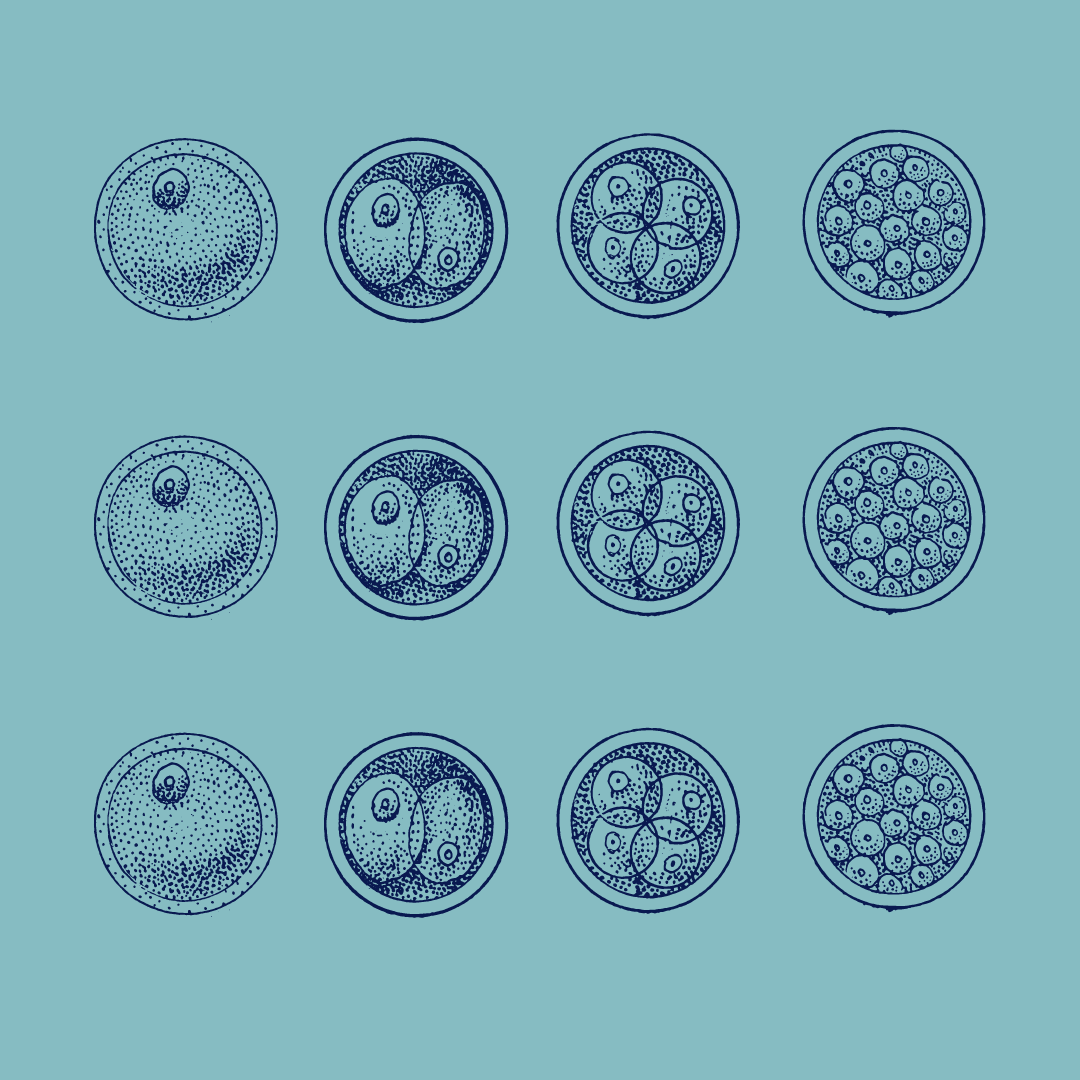
The ability of pluripotent stem cells to differentiate into different cell types has enabled the creation of stem-cell-based embryo models (SCBEMs), which have the potential to illuminate the early stages of embryo development and implantation. SCBEMs hold promise as an avenue to address global health challenges including infertility, pregnancy loss and the need for organ transplants, as well as congenital, neonatal and adult health conditions.
In addition to answering existing scientific questions and raising new scientific questions, SCBEMs pose practical, ethical and legal questions that also need to be addressed. Following a meeting of researchers at the Institut Pasteur in Paris in November 2024, we have been working with colleagues around the world to develop a foundational framework for research, technological development and regulation in relation to SCBEMs.
Some of our key recommendations are set out below, grouped into three sections – 'Science and standards', 'Technologies and applications' and 'Ethics and law'. These matters are explored at greater length in our full white paper, and we have also set out proposals for...
Related Articles
By Gaia Ghirardi, Arno Van Hootegem & K. Paige Harden , Nature Human Behaviour | 09.21.2026
Embryo screening for behavioural traits is no longer speculative. If you want to become a parent in the USA today, you can pay to use pre-implantation polygenic testing (PGT-P) of in vitro fertilization (IVF)-created embryos. PGT-P promises to optimize offspring...
By Ann E. Marimow and J. David Goodman, The New York Times | 09.22.2026
Justice Elena Kagan on Tuesday refused to intervene in a high-profile custody battle that involved difficult questions surrounding surrogacy and abortion, leaving in place a lower-court order that gave custody to the biological parents in the dispute.
The case drew...
By Gay Pasley, Essence | 09.04.2026
That is what makes the unfolding case of McKenna West so important. It is more than a disagreement about abortion or a dispute over a surrogacy contract. It asks whether an agreement signed before a pregnancy can become authority...
By Ava Kofman, The New Yorker | 09.15.2026
A WOMAN WHO ACTS AS A SURROGATE, carrying a child for someone else, is said to be going on a “journey.”
Kayla Elliott started her surrogacy journey at the age of twenty-six. She gave birth to a baby girl for...