


Aggregated News
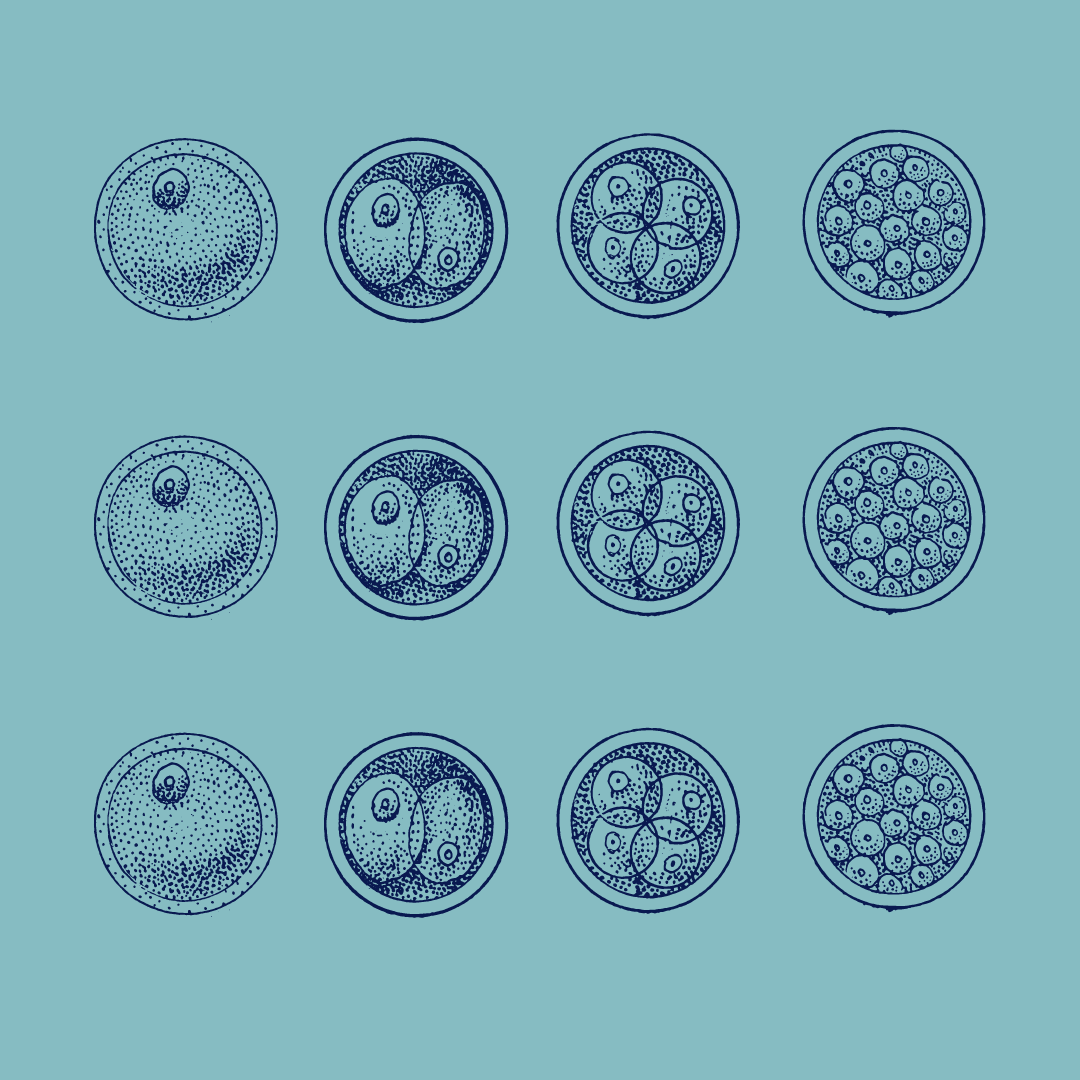
On June 1, an international group of industry and academic collaborators, led by geneticist Dieter Egli at Columbia University, released a preprint on bioRxiv demonstrating the use of base editing in human embryos (2026, DOI: 10.64898/2026.05.30.728989).
Base editing, which allows for precise swapping of one nucleotide for another without creating destructive double-strand breaks in DNA, is an evolution of CRISPR gene editing technology. The research group was able to show that this technology could, with relatively high efficiency, correct pathogenic variants of the PCSK9 and HBG genes in human embryos.
But the preprint ends with a caveat: “Though this may be a step towards heritable editing, translation to a clinical context remains premature.”
Nathan Treff, chief clinical officer at Nucleus Genomics and an author on the preprint, says, “The biggest success here was that the base editing didn't introduce aneuploidy into these embryos.” Aneuploidy, which is defined as an abnormal number of chromosomes, was an unintended effect of editing human embryos with CRISPR, as shown in a 2020 paper published by Treff, Egli, and colleagues (Cell, DOI...