


Aggregated News
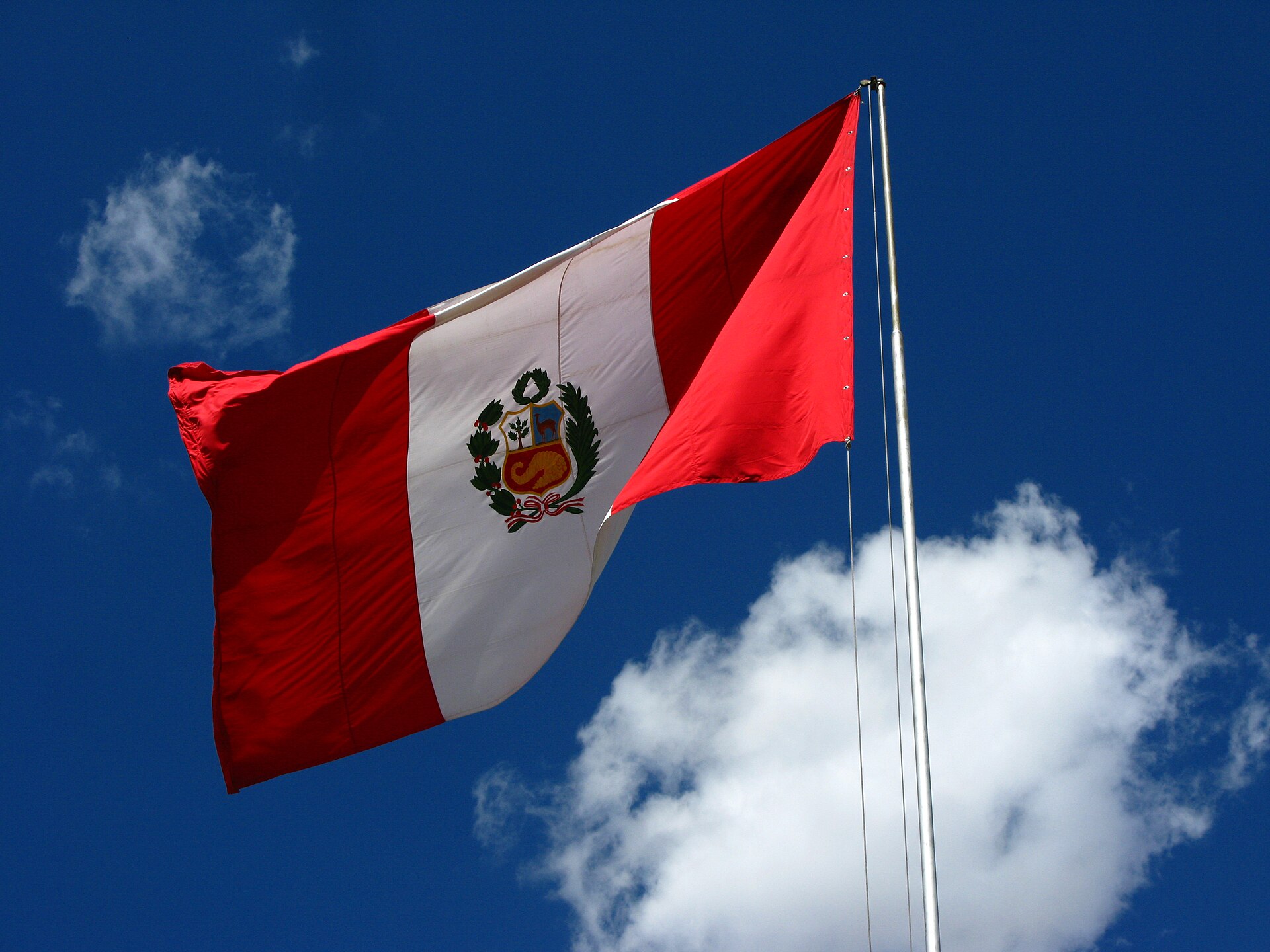
State flag of Peru via Wikimedia Commons licensed under CC by SA 2.0
.jpg)
A recent surrogacy case in Peru had a good outcome for one family, but does not provide wider certainty for families, surrogates or clinicians, writes Dr Paula Siverino Bavio.
In Peru, neither assisted reproduction nor gestational surrogacy is legally regulated. Consequently, there is no recognition of procreative intention when considering legal parenthood (unlike in Argentina or Mexico), surrogacy agreements have no legal validity, and the legal mother is determined solely by childbirth.
Recognition of the intended mother depends upon judicial proceedings that may take years. During this period, families live in a situation of legal uncertainty, with parental rights belonging to the genetic father (in the case of a heterosexual couple) and the gestational carrier.
Given that surrogacy is legal (what is not prohibited is permitted), several clinics practise it regularly. However, intended parents often lack sound and comprehensive legal information and do not anticipate the long-term consequences.
One particularly troubling case involved cross-border reproductive care, where a Chilean couple attempted to leave Peru with their newborn...