State Abortion Trigger Laws: Potential Implications for Reproductive Medicine
By ASRM Center for Policy and Leadership,
The American Society for Reproductive Medicine
| 06. 29. 2022
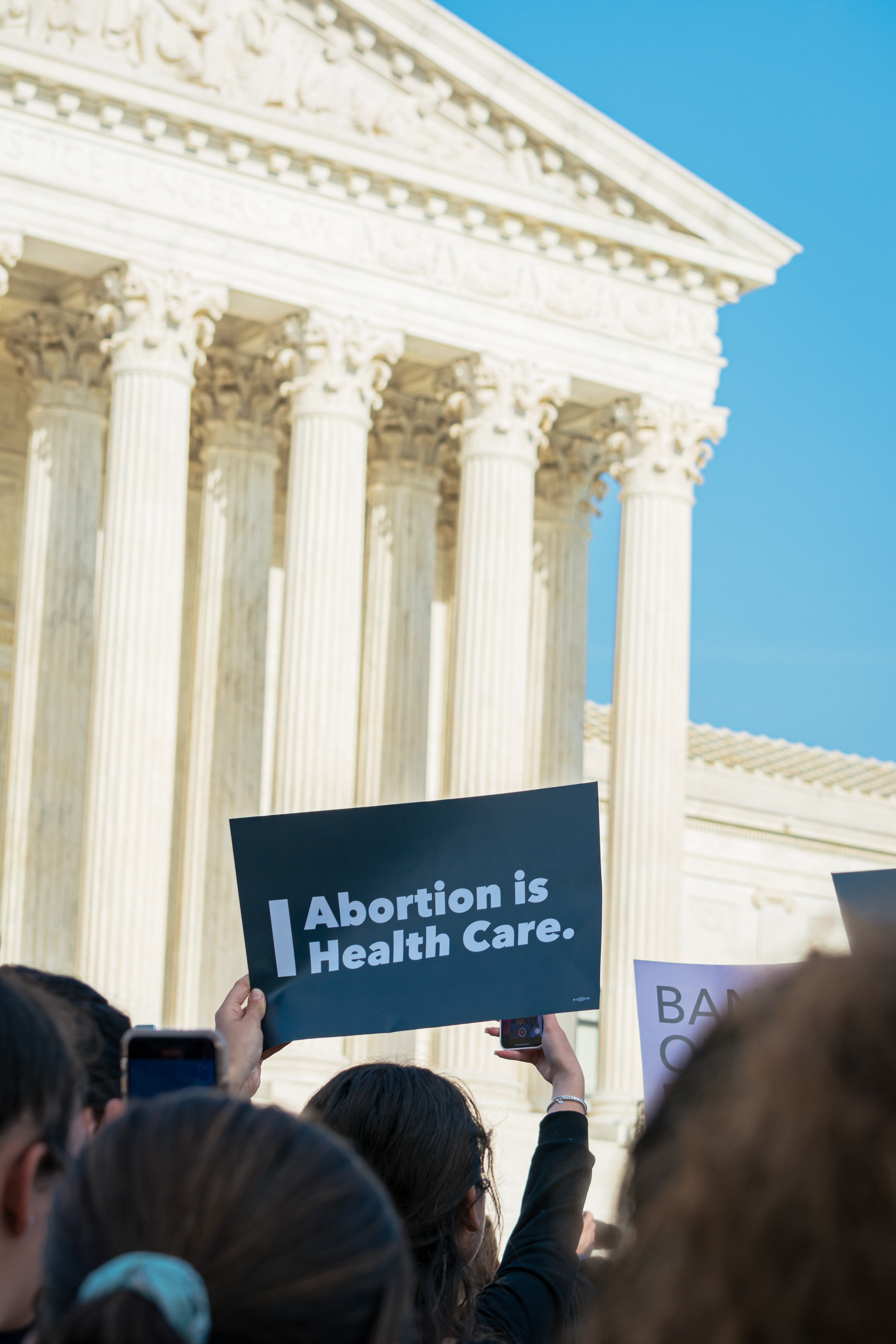
Today, the ASRM Center for Policy and Leadership (CPL) released a new report entitled State Abortion Trigger Laws: Potential Implications for Reproductive Medicine. Current as of the date of publication, the report provides an overview of states’ abortion trigger laws, together with analysis of potential implications for reproductive medicine, including IVF. Read the report here.
As we collectively work to understand the implications of the Supreme Court’s decision in Dobbs v Jackson Women’s Health, please visit our resource pageto access this report, as well as additional resources intended to respond to questions and needs of members and their patients. This report is the first in a series of materials to be released by the CPL. If there are specific resources that would be of use to you or your patients, please let us know: cpl@asrm.org.
Related Articles
By Charles Schmidt, Undark | 09.25.2026
In 2010, scientists at the University of Tokyo and other institutions reported a startling achievement: They had successfully grown a pancreas made almost entirely of rat cells within the bodies of mice. The research was directed by Hiromitsu Nakauchi, a...
By Rob Stein, NPR [cites CGS' Katie Hasson] | 09.29.2026
Cathy Tie slips on a white lab coat bearing her name and the logo of her startup: Origin Genomics. "Welcome!" she says as she leads an NPR reporter, photographer and videographer on an exclusive tour of Origin's labs located...
By Erik Adams, Sundance | 09.08.2026
The scariest movie playing at the 2026 Sundance Film Festival isn’t about cursed audio recordings or a killer demon disguised as your true love; rather it’s a 110-minute essay film about how a handful of guys obsessed with numbers and...
By Katie Bo Lillis and Zachary Cohen, CNN | 09.18.2026
The intelligence report, circulated across the US military this spring in the midst of the war with Iran, immediately set off alarm bells: A Chinese ship in the Middle East was transporting components of a nuclear weapons program.
The US...