How AI is quietly changing everyday life
By Olivia Olander, Mackenzie Wilkes, Katy O’Donnell, Daniel Payne, and Ruth Reader,
Politico
| 02. 04. 2024
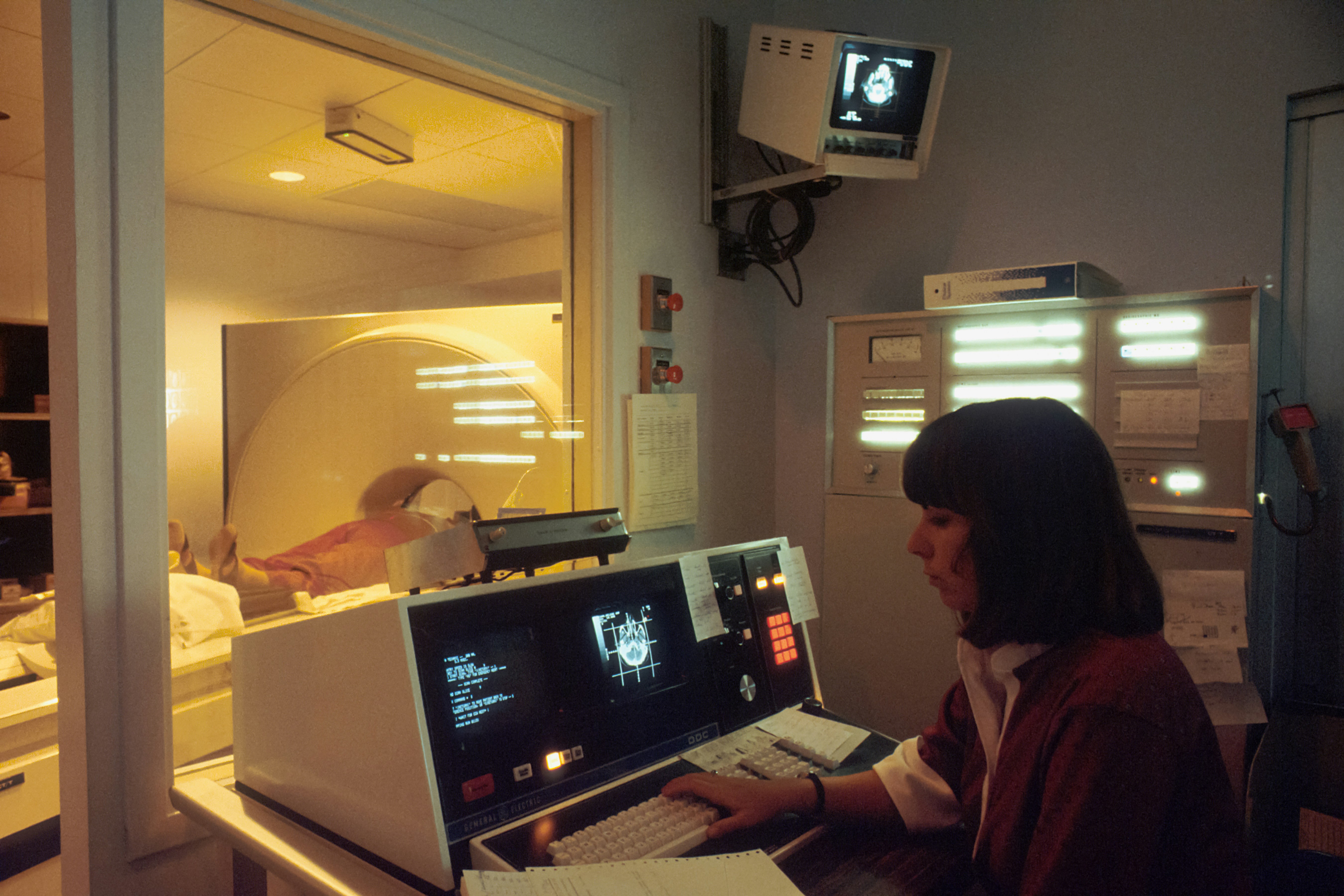
Photo by National Cancer Institute on Unsplash
Artificial intelligence isn’t just a niche tool for cheating on homework or generating bizarre and deceptive images. It’s already humming along in unseen and unregulated ways that are touching millions of Americans who may never have heard of ChatGPT, Bard or other buzzwords.
A growing share of businesses, schools, and medical professionals have quietly embraced generative AI, and there’s really no going back. It is being used to screen job candidates, tutor kids, buy a home and dole out medical advice.
The Biden administration is trying to marshal federal agencies to assess what kind of rules make sense for the technology. But lawmakers in Washington, state capitals and city halls have been slow to figure out how to protect people’s privacy and guard against echoing the human biases baked into much of the data AIs are trained on.
“There are things that we can use AI for that will really benefit people, but there are lots of ways that AI can harm people and perpetuate inequalities and discrimination that we’ve seen for our...
Related Articles
By Charles Schmidt, Undark | 09.25.2026
In 2010, scientists at the University of Tokyo and other institutions reported a startling achievement: They had successfully grown a pancreas made almost entirely of rat cells within the bodies of mice. The research was directed by Hiromitsu Nakauchi, a...
By Rob Stein, NPR [cites CGS' Katie Hasson] | 09.29.2026
Cathy Tie slips on a white lab coat bearing her name and the logo of her startup: Origin Genomics. "Welcome!" she says as she leads an NPR reporter, photographer and videographer on an exclusive tour of Origin's labs located...
By Erik Adams, Sundance | 09.08.2026
The scariest movie playing at the 2026 Sundance Film Festival isn’t about cursed audio recordings or a killer demon disguised as your true love; rather it’s a 110-minute essay film about how a handful of guys obsessed with numbers and...
By Katie Bo Lillis and Zachary Cohen, CNN | 09.18.2026
The intelligence report, circulated across the US military this spring in the midst of the war with Iran, immediately set off alarm bells: A Chinese ship in the Middle East was transporting components of a nuclear weapons program.
The US...