
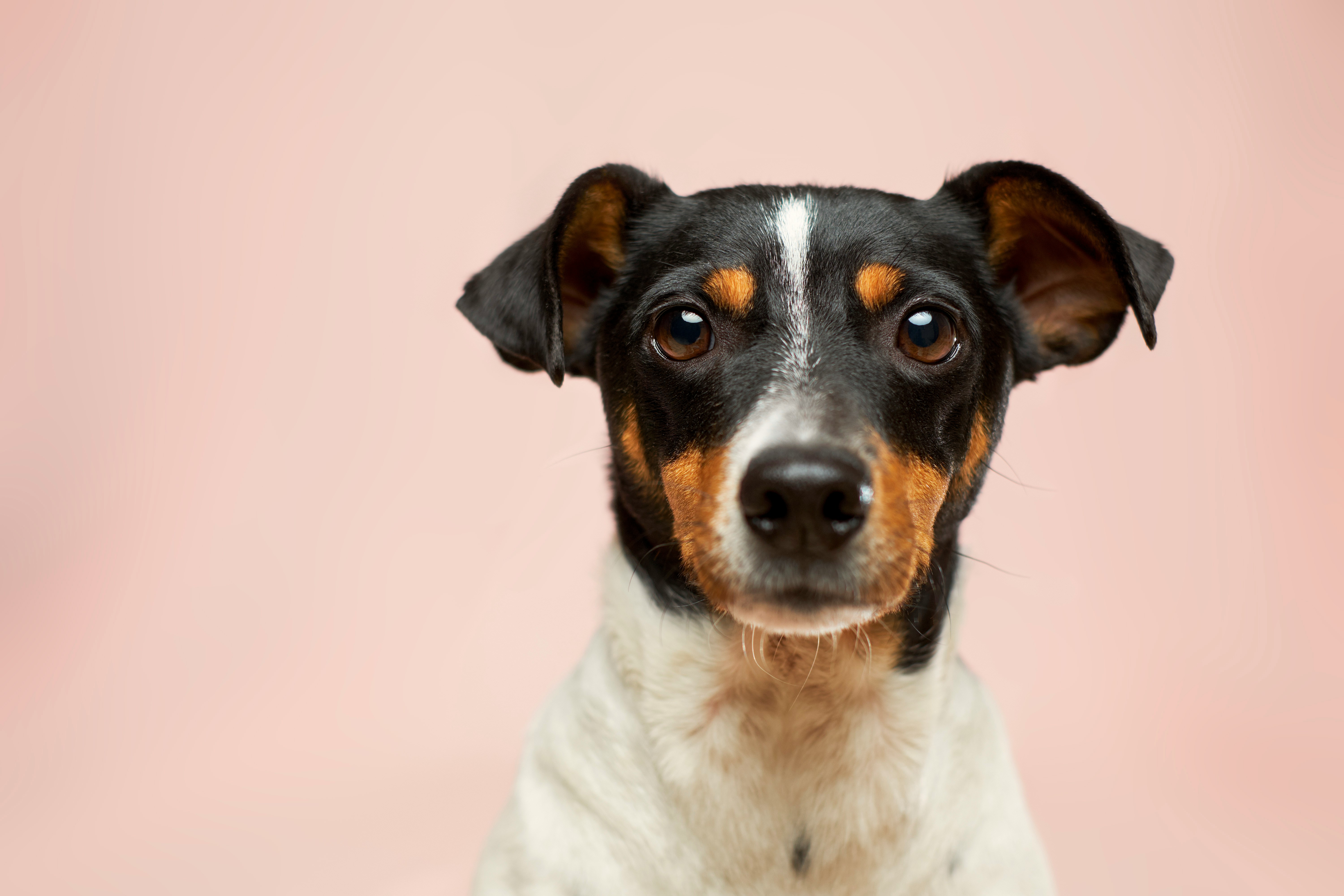
Cloning isn’t just for celebrity pets like Tom Brady’s dog
By Jessica Hamzelou,
MIT Technology Review
| 11. 07. 2025
Yes, you can pay $50,000 to clone a pet. But others are using the technology to rescue endangered species.
This week, we heard that Tom Brady had his dog cloned. The former quarterback revealed that his Junie is actually a clone of Lua, a pit bull mix that died in 2023.
Brady’s announcement follows those of celebrities like Paris Hilton and Barbra Streisand, who also famously cloned their pet dogs. But some believe there are better ways to make use of cloning technologies.
While the pampered pooches of the rich and famous may dominate this week’s headlines, cloning technologies are also being used to diversify the genetic pools of inbred species and potentially bring other animals back from the brink of extinction.
Cloning itself isn’t new. The first mammal cloned from an adult cell, Dolly the sheep, was born in the 1990s. The technology has been used in livestock breeding over the decades since.
Say you’ve got a particularly large bull, or a cow that has an especially high milk yield. Those animals are valuable. You could selectively breed for those kinds of characteristics. Or you could clone the original animals—essentially creating genetic twins.
Scientists can take some of...
Related Articles
By Laura DeFrancesco, Nature Biotechnology | 03.17.2026
The first gene editors designed to fix genetic lesions in mutation-agnostic ways are poised to enter the clinic. Tessera Therapeutics and Alltrna, two Flagship Pioneering-funded companies, are gearing up to test novel genetic medicines in humans. Tessera received regulatory clearance...
By Darren Incorvaia, Fierce Biotech | 03.11.2026
A new method for safely inserting large chunks of DNA into genomes has now measured up in mice, potentially paving the way for the next generation of gene editing medicines.
The approach, which is described in a Nature paper...
By Jason Liebowitz, The New Yorker | 03.06.2026
When Talaya Reid was in high school, in a quiet suburb of Philadelphia, she developed fatigue so severe that she spent afternoons napping instead of going out with friends. She was lethargic at school and her grades suffered, but after...
By Scott Solomon, The MIT Press Reader | 02.12.2026
Chris Mason is a man in a hurry.
“Sometimes walking from the subway to the lab takes too long, so I’ll start running,” he told me over breakfast at a bistro near his home in Brooklyn on a crisp...