
A Woman Went Blind After Stem Cells Were Injected in Her Eyes
By Sarah Zhang,
The Atlantic
| 10. 19. 2017
And she isn’t the only one.
Last year, a 77-year-old woman traveled to a clinic in Georgia to have stem cells injected in her eyes. She came in hope of a cure—or at least something that could help her macular degeneration, which causes a dark spot to appear in the center of vision.
The procedure was supposed to work like this: The clinic would take fat from her belly, separate out stem cells that naturally occur in fat, and inject them into her eyes to regenerate damaged tissue. The procedure cost $8,900. It had not been approved by the Food and Drug Administration and was not covered by insurance. To pay out of pocket, she had to raise money on a crowdfunding site.
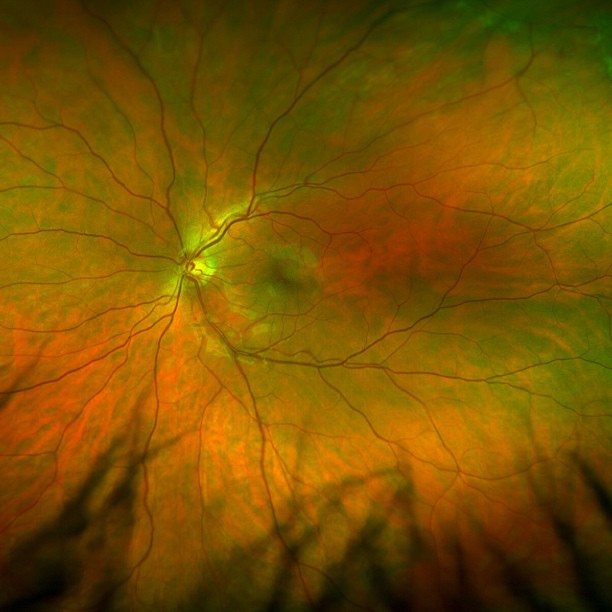
Her vision did not get better. It got much worse. Within three months, her retinas—the eye’s layer of light-sensitive cells—had peeled away from the rest of her eyes. As a result, she can only make out hand motions in her right eye and light in the left, according to a recent case report. She could no longer...
Related Articles
By Grace Won, KQED [with CGS' Katie Hasson] | 12.02.2025
In the U.S., it’s illegal to edit genes in human embryos with the intention of creating a genetically engineered baby. But according to the Wall Street Journal, Bay Area startups are focused on just that. It wouldn’t be the first...
Several recent Biopolitical Times posts (1, 2, 3, 4) have called attention to the alarmingly rapid commercialization of “designer baby” technologies: polygenic embryo screening (especially its use to purportedly screen for traits like intelligence), in vitro gametogenesis (lab-made eggs and sperm), and heritable genome editing (also termed embryo editing or reproductive gene editing). Those three, together with artificial wombs, have been dubbed the “Gattaca stack” by Brian Armstrong, CEO of the cryptocurrency company...
Alice Wong, founder of the Disability Visibility Project, MacArthur Genius, liberationist, storyteller, writer, and friend of CGS, died on November 14. Alice shone a bright light on pervasive ableism in our society. She articulated how people with disabilities are limited not by an inability to do things but by systemic segregation and discrimination, the de-prioritization of accessibility, and the devaluation of their lives.
We at CGS learned so much from Alice about disability justice, which goes beyond rights...
By Adam Feuerstein, Stat | 11.20.2025
The Food and Drug Administration was more than likely correct to reject Biohaven Pharmaceuticals’ treatment for spinocerebellar ataxia, a rare and debilitating neurodegenerative disease. At the very least, the decision announced Tuesday night was not a surprise to anyone paying attention. Approval...