USA : la politique pro nataliste de Trump et Musk
By M. Genries, A. Cohen, and L. Mareschal,
Franceinfo [cites CGS' Katie Hasson]
| 05. 03. 2025
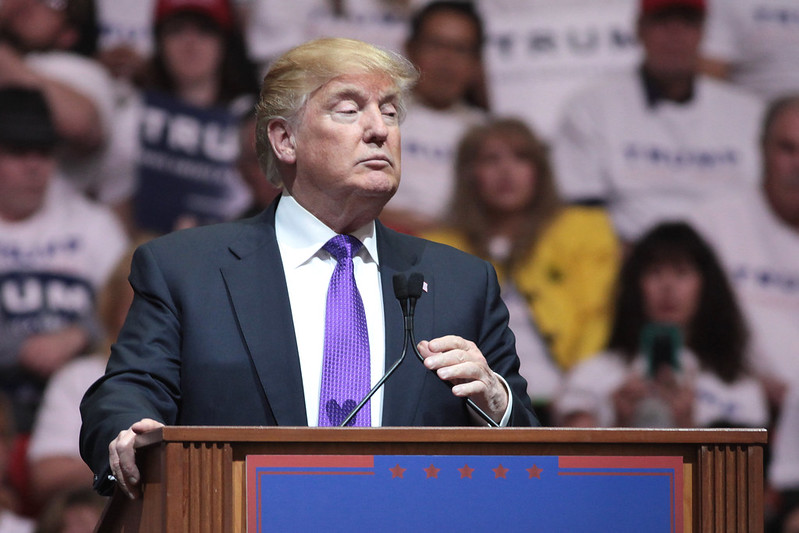
"Donald Trump speaking with supporters at a campaign rally at the South Point Arena in Las Vegas, Nevada" by Gage Skidmore licensed under CC by SA 2.0
Depuis son arrivée au pouvoir, l'un des fers de lance de Donald Trump concerne la natalité. Il souhaite inciter la population à avoir plus d'enfants. Aux États-Unis, elle est de 1,6 enfant par femme.
Parmi les objectifs du gouvernement de Donald Trump, il y en a un qui consiste à repeupler les États-Unis. Cette idéologie politique porte un nom : le pro natalisme. Il s'agit d'une mouvance conservatrice encouragée par certains géants de la tech pour qui la baisse de la natalité signifierait la fin des États-Unis. Mais pourquoi encourager à ce point les naissances ? Et les États-Unis ont-ils vraiment un problème de natalité ?
Une vision démographique ou traditionaliste ?
Donald Trump veut réduire le prix des traitements pour la fertilité, notamment de la fécondation in vitro. “Je serai connu comme le président de la fertilité”,avait-il déclaré le 26 mars 2025. Selon le New York Times...
Related Articles
By Ann E. Marimow and J. David Goodman, The New York Times | 09.22.2026
Justice Elena Kagan on Tuesday refused to intervene in a high-profile custody battle that involved difficult questions surrounding surrogacy and abortion, leaving in place a lower-court order that gave custody to the biological parents in the dispute.
The case drew...
By Anna Collinson and Jo Adnitt, BBC | 08.18.2026
At least 30 children, most of them British, are feared to have been conceived by IVF treatment in northern Cyprus using the wrong sperm or egg donors.
In each case, the parents suspect they did not get the donors they...
By Hamed Aleaziz, The New York Times | 08.13.2026
Immigrants at Ellis Island undergoing a medical inspection | Photo by The New York Public Library on Unsplash
In 1924, Congress sent a message to the world: We are no longer ready to take “your tired, your poor, your huddled...
By Editors, Nature | 08.18.2026
Shinya Yamanaka doesn’t see himself as a celebrity. But people do recognize the stem-cell researcher when he’s out for a run, often while training for a marathon, on the streets of Kyoto, Japan.
Many of them call out words of...