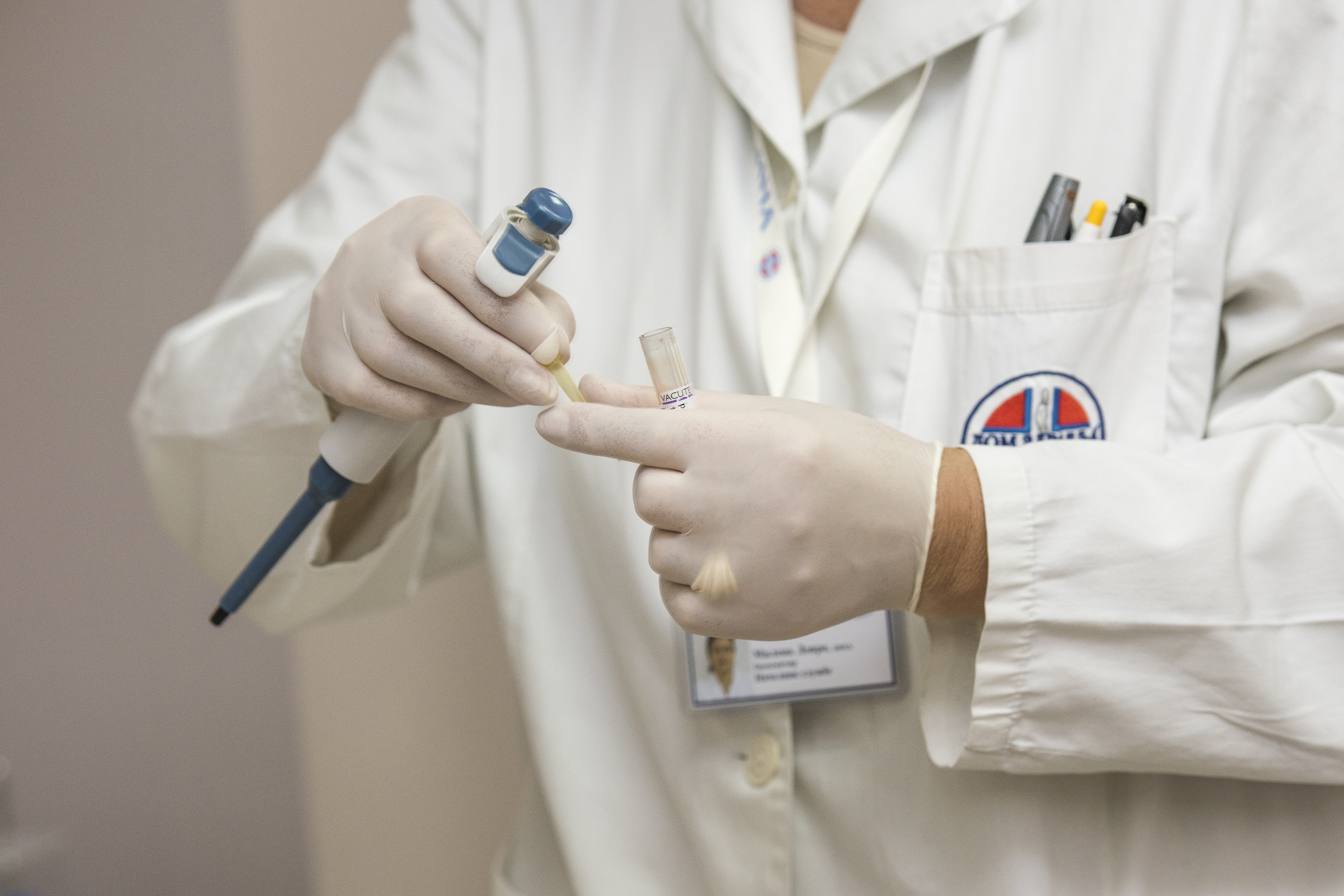
Scientists Dismayed as Texas Leans into Unproved Stem Cell Treatments
By Andrew Joseph,
STAT
| 05. 16. 2017
He made the emotional plea to his colleagues: Pass this bill.
“It might give somebody like my wife a chance to walk,” Texas Representative Drew Springer said through tears late Thursday at the state Capitol in Austin. “I’d trade every one of my bills I’ve passed, every single one of them, to get the chance to hear HB 810.”
HB 810 is one of three bills being considered in the Texas Legislature that would make it easier for sick people to try unproven therapies at their own risk, and cost. Springer’s bill would allow clinics offering unapproved stem cell treatments to treat patients in Texas. HB 661 would permit people with chronic illness to get therapies in early-stage clinical trials — not just terminally ill patients, as the state’s current “right-to-try” law does. And HB 3236 would allow companies to charge patients for unproven therapies.
The debate in Texas echoes a national discussion over how much access patients should have to experimental drugs. For the lawmakers supporting the measures, the issue is about the ability to make one’s own decisions about health...
Related Articles
Artificial Intelligence (AI) has been a major focus of news recently, as it should have been, under the appropriately ridiculous name of Hugging Face, “a leading collaboration platform and community hub for machine learning, artificial intelligence, and data science.” In July, Hugging Face was hacked. The platform itself responded:
Earlier this week, we detected and responded to an intrusion into part of our production infrastructure. This one was different from anything we had handled before in one important way...
By Gay Pasley, Essence | 09.04.2026
That is what makes the unfolding case of McKenna West so important. It is more than a disagreement about abortion or a dispute over a surrogacy contract. It asks whether an agreement signed before a pregnancy can become authority...
By Anna L. Philippe, Pop Panic | 09.17.2026
What does it mean when education is considered a threat to population? As an education student, I am interested in the ways population panics are essentialized and circulated in formal education settings. Schools can play a major role in shaping...
By Ava Kofman, The New Yorker | 09.15.2026
A WOMAN WHO ACTS AS A SURROGATE, carrying a child for someone else, is said to be going on a “journey.”
Kayla Elliott started her surrogacy journey at the age of twenty-six. She gave birth to a baby girl for...