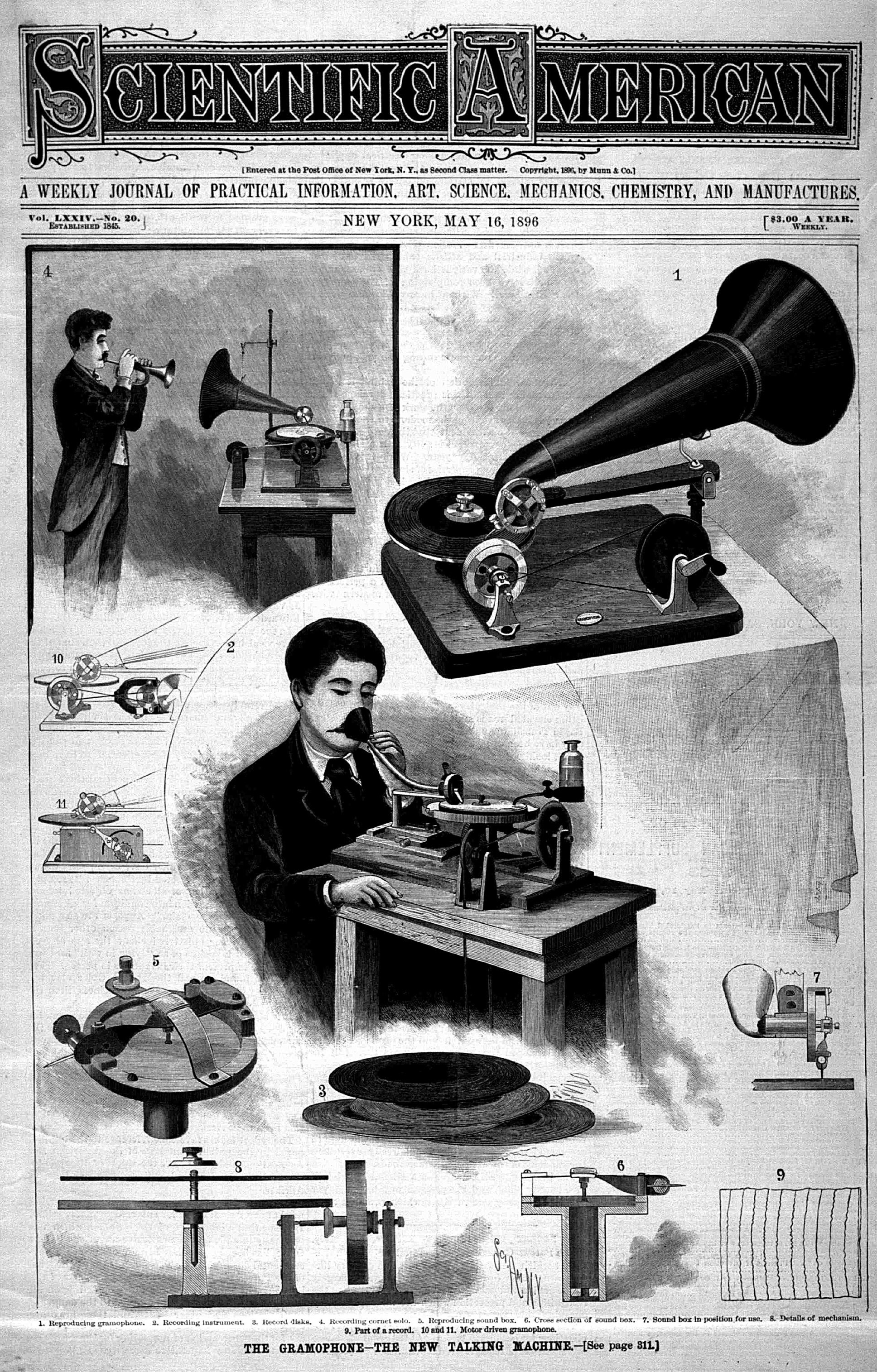
Reckoning with our Mistakes
By Jen Schwartz and Dan Schlenoff,
Scientific American
| 08. 19. 2020
An article about women engineers, published in 1908, has a promising start: If women are attending technical schools and are not legally blocked from working in a forge or firm, why do they face so many obstacles to employment? A reader in 2020 who discovers such a socially progressive question in the archives of Scientific American anticipates a discussion of sex discrimination. Perhaps women such as Emily Warren Roebling, who took over her husband's role as chief engineer on construction of the Brooklyn Bridge after he became bedridden, will be held up for their contributions to the field. Surely the article will feature the voice of Nora Stanton Barney, who had recently fought to become the first woman accepted as a junior member in the American Society of Civil Engineers and was active in the suffrage movement.
Alas, no. Author Karl Drews explains it simply: the obstacles “are inherent in the nature of the case and are due to women's comparative weakness, both bodily and mental.” He elaborates: “The work of the engineer is creative in the highest sense of...
Related Articles
By Rob Stein, NPR [cites CGS' Katie Hasson] | 09.29.2026
Cathy Tie slips on a white lab coat bearing her name and the logo of her startup: Origin Genomics. "Welcome!" she says as she leads an NPR reporter, photographer and videographer on an exclusive tour of Origin's labs located...
By Alexandra Minna Stern, Los Angeles Review of Books | 09.26.2026
This is the 17th installment in the Legacies of Eugenics series, which features essays by leading thinkers devoted to exploring the history of eugenics and the ways it shapes our present. The series is organized by Osagie K. Obasogie in...
By Marcia Langton, National Indigenous Times | 09.22.2026
Pauline Hanson speaking about Aboriginal people on a white Christian podcast last year said "they're the most primitive race on Earth and we're supposed to be holding them up and saying what they've achieved? They've achieved nothing." She resurrected the...
By Erik Adams, Sundance | 09.08.2026
The scariest movie playing at the 2026 Sundance Film Festival isn’t about cursed audio recordings or a killer demon disguised as your true love; rather it’s a 110-minute essay film about how a handful of guys obsessed with numbers and...