With Genetic Testing, How Much Information Is Too Much?
By Daniela J. Lamas,
The New York Times
| 06. 22. 2026
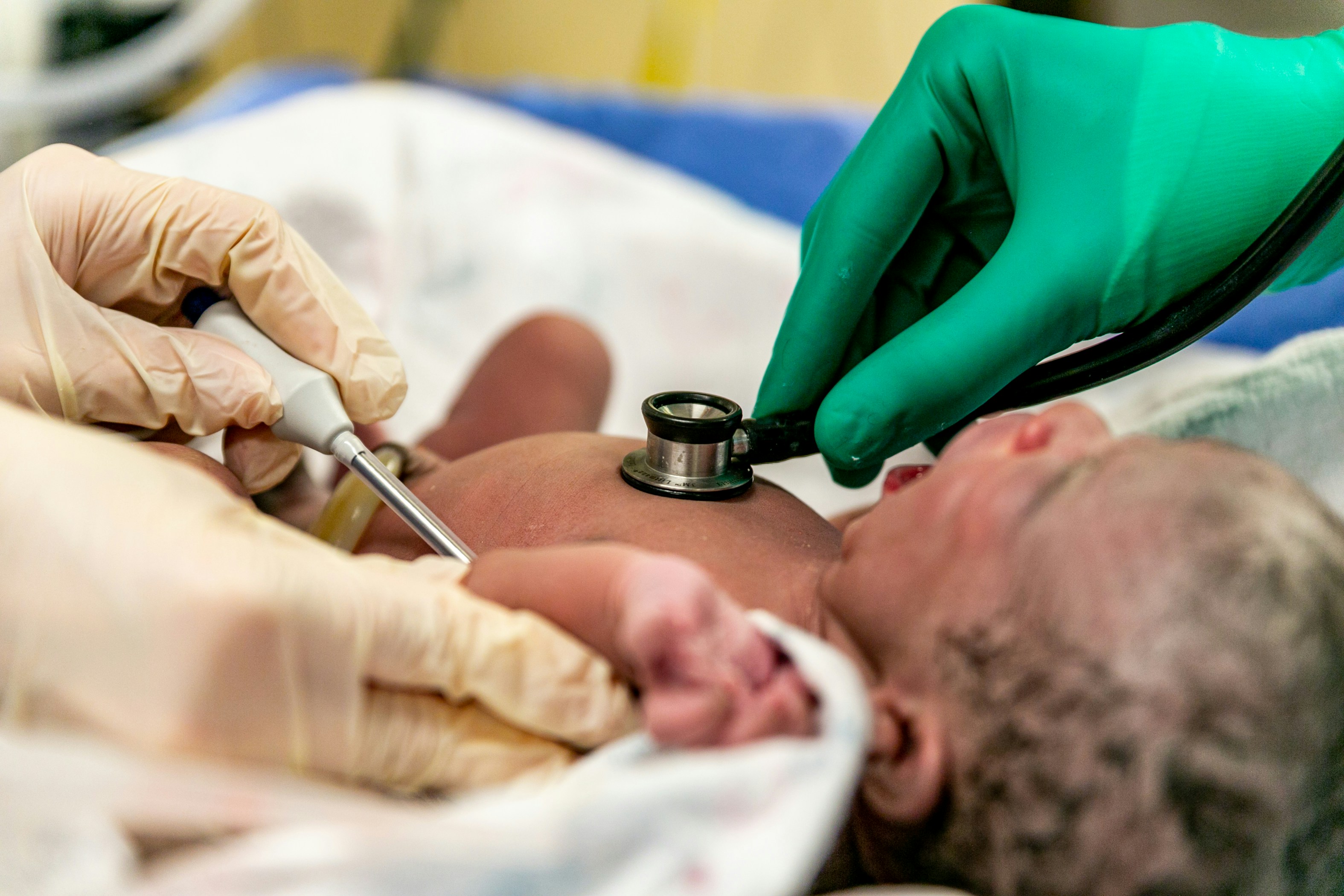
In the first hours after my daughter was born, three years ago now, I searched her for answers. I examined her ears, looking for the telltale shape associated with certain genetic syndromes. I inspected her mouth for a cleft palate. I watched her movements and wondered what they might reveal.
I don’t know what I would have said if, in those days in the hospital, I had been offered the chance to search her genome for predisposition to disease. But this may soon be reality. As genetic testing has become cheaper and more widespread, scientists around the globe are aiming to sequence tens of thousands of infants to study the feasibility of offering this type of testing to millions of babies at birth. This future is closer than we think, and I believe that we should embrace it — which means we need to be honest about how much work there is still to do.
Shortly after birth, almost all newborns have their heels pricked, and the resulting blood is tested for a few dozen serious conditions for which early...
Related Articles
By Gaia Ghirardi, Arno Van Hootegem & K. Paige Harden , Nature Human Behaviour | 09.21.2026
Embryo screening for behavioural traits is no longer speculative. If you want to become a parent in the USA today, you can pay to use pre-implantation polygenic testing (PGT-P) of in vitro fertilization (IVF)-created embryos. PGT-P promises to optimize offspring...
What We Inherit by Sam Trejo and Daphne O. Martschenko; and Original Sin by Kathryn Paige Harden have a great deal in common, with substantial differences in style and emphasis. Both books attempt, in different ways, to show the reader just where current research into human genomics stands, where that might be going, and why the authors are interested. In short, the influence of genomic research on our societies is already large and seems likely to change them in ways...
By Dan Falk, Nautilus | 08.20.2026
The pseudoscience of eugenics, founded on the mistaken notion that nature envisions some “right” combination of genes, and that selective breeding can improve the human race, is making a comeback. While the heyday of eugenics was a century ago, the...
By Adithi Ramakrishnan, AP News | 08.05.2026
NEW YORK (AP) — Matt Walker couldn’t pet a dog without sneezing — until he and other scientists used a gene editing technique to produce a hypoallergenic beagle named Bailey.
Now, he can feed Bailey spoons of peanut butter while...