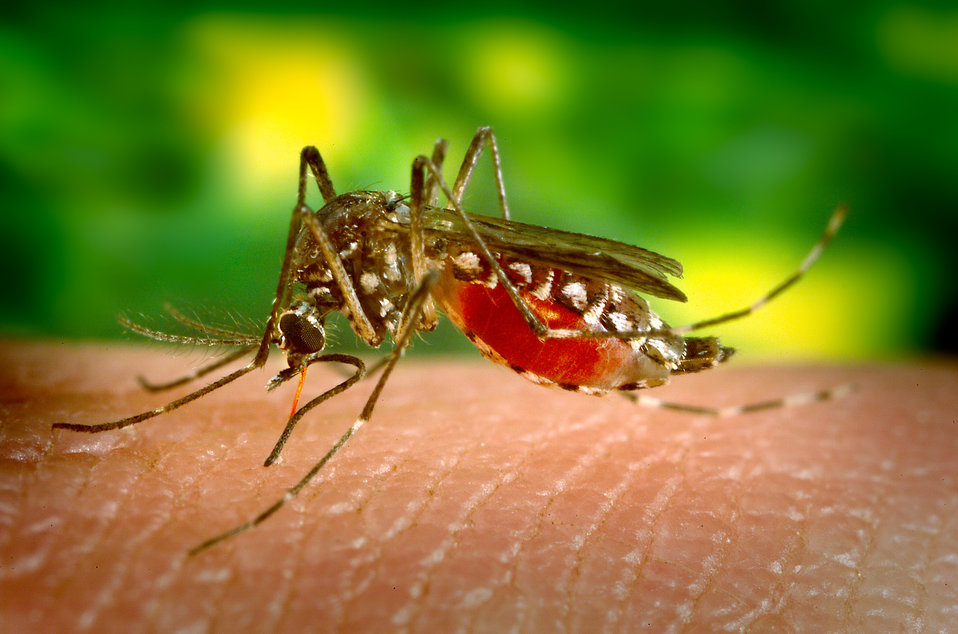
EPA faces suit over plan to release genetically engineered mosquitoes
By Rachel Franzin,
The Hill
| 06. 15. 2020
The Center for Food Safety, the International Center for Technology Assessment and Friends of the Earth allege that the EPA violated the law.
The Environmental Protection Agency (EPA) is facing a lawsuit over its approval of a plan to release genetically modified mosquitoes in Florida and Texas.
Several groups, including the Center for Food Safety, the International Center for Technology Assessment and Friends of the Earth filed a notice of intent to sue on Friday. They alleged that the EPA violated the law by failing to consult with wildlife agencies before determining that the mosquitoes will not pose risks to threatened species.
“EPA’s ‘no effect’ findings and failure to consult are arbitrary and capricious and violate the ESA [Endangered Species Act] because they fail to follow the ESA’s mandated procedures, fail to use the best scientific and commercial data available, fail to consider significant aspects of the issue, and offer an explanation that runs counter to the evidence before the agency,” the groups claimed in their notice.
The EPA last month approved an experimental use permit for a company that wants to test the use of genetically engineered mosquitoes as a way to try to reduce mosquito populations and protect people from mosquito-borne illnesses.
According...
Related Articles
By Charles Schmidt, Undark | 09.25.2026
In 2010, scientists at the University of Tokyo and other institutions reported a startling achievement: They had successfully grown a pancreas made almost entirely of rat cells within the bodies of mice. The research was directed by Hiromitsu Nakauchi, a...
By Rob Stein, NPR [cites CGS' Katie Hasson] | 09.29.2026
Cathy Tie slips on a white lab coat bearing her name and the logo of her startup: Origin Genomics. "Welcome!" she says as she leads an NPR reporter, photographer and videographer on an exclusive tour of Origin's labs located...
By Erik Adams, Sundance | 09.08.2026
The scariest movie playing at the 2026 Sundance Film Festival isn’t about cursed audio recordings or a killer demon disguised as your true love; rather it’s a 110-minute essay film about how a handful of guys obsessed with numbers and...
By Katie Bo Lillis and Zachary Cohen, CNN | 09.18.2026
The intelligence report, circulated across the US military this spring in the midst of the war with Iran, immediately set off alarm bells: A Chinese ship in the Middle East was transporting components of a nuclear weapons program.
The US...