


Marcy Darnovsky
Marcy Darnovsky, PhD, speaks and writes widely on the politics of human biotechnology, focusing on their social justice and public interest implications. Her articles have appeared in The New York Times, Nature, The Guardian, Los Angeles Times, Wall Street Journal, Harvard Law and Policy Review, Democracy, New Scientist and many others. She has appeared on dozens of television, radio, and online news shows and has been interviewed and cited in hundreds of news and magazine articles. She has worked as an organizer and advocate in a range of environmental and progressive political movements, and taught courses at Sonoma State University and at California State University East Bay. Her Ph.D. is from the History of Consciousness program at the University of California, Santa Cruz.

Publications
In the News
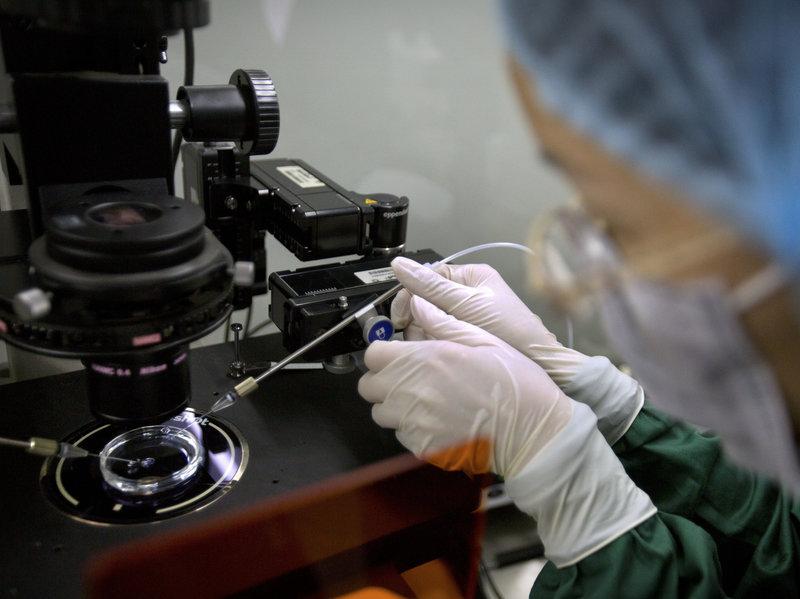
A congressional committee voted Tuesday to continue a federal ban on creating genetically modified babies in the United States.
The...

Last fall, when a Chinese scientist announced that he had created genetically modified twin babies, the world was stunned and...

Scientists first developed gene therapy techniques in the 1990s, exploring ways to treat disease by modifying malfunctioning cells. In 1997...