Trump and Musk are obsessed with genetics – but there’s no science behind their simplistic views
By Jonathan Roberts,
The Guardian
| 12. 30. 2024
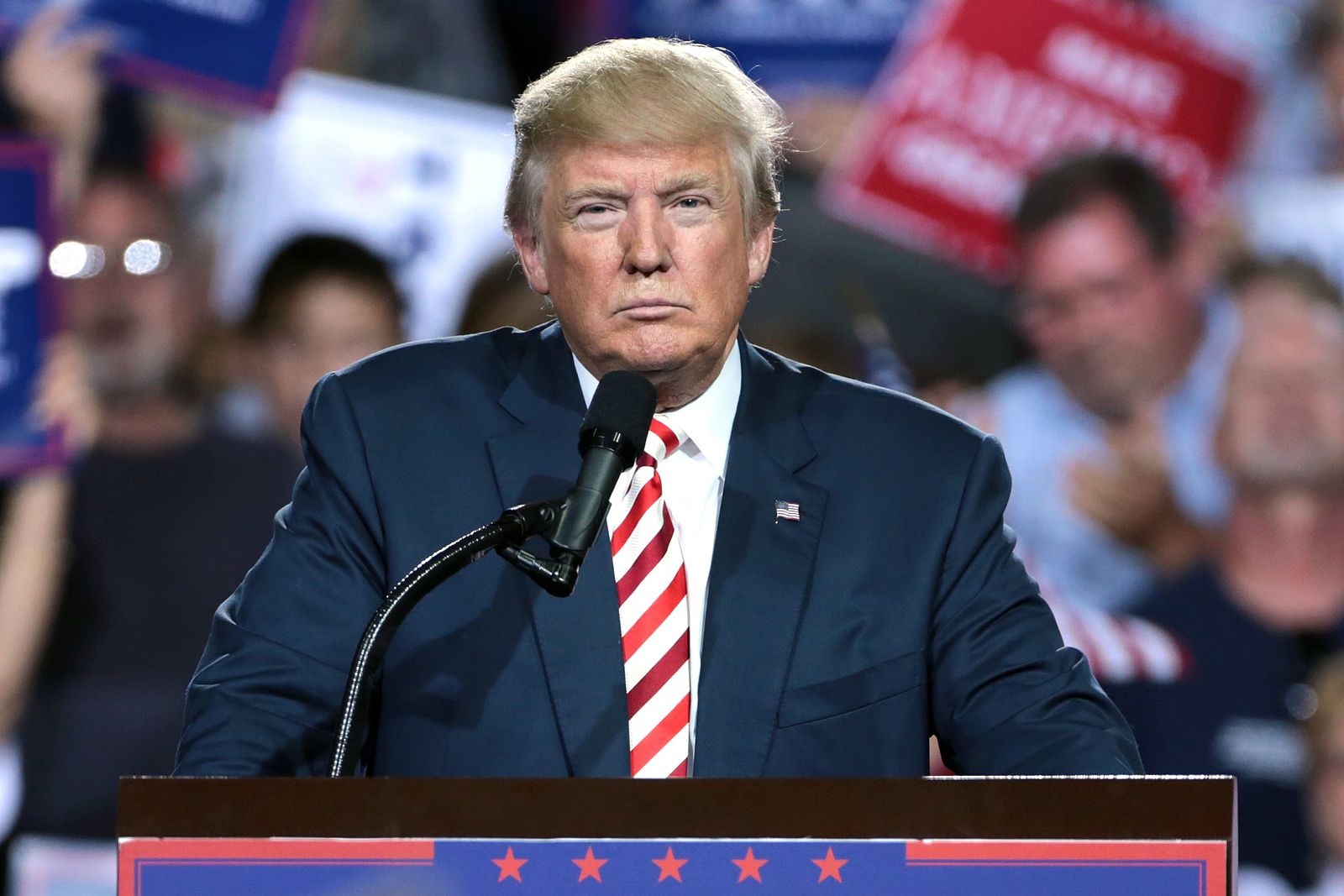
“Donald Trump speaking with supporters at a campaign rally at the Prescott Valley Event Center in Prescott Valley, Arizona” by Gage Skidmore licensed under CC by SA 2.0
Like so many of us, I was dispirited to wake up a few weeks ago to learn that Donald Trump will be back in the White House. This time he was aided by the world’s richest man and professional spaceship-crasher, Elon Musk. Among the many charming aspects of their partnership is a fondness for some highly unsavoury views on genetics. Trump is an enthusiastic advocate of “racehorse theory”, which he shares with white supremacists; the belief that he is personally superior and that this is rooted in his “good genes”. It’s a vapid idea, but it directly informs his toxic views on immigration, where he argues the country needs to be shielded from the “bad genes” of outsiders.
Meanwhile, Musk has his own equally baffling take on genetics, infused with a characteristic messiah complex. Like some of his fellow tech moguls, he is determined to “save humanity” by ...
Related Articles
By Charles Schmidt, Undark | 09.25.2026
In 2010, scientists at the University of Tokyo and other institutions reported a startling achievement: They had successfully grown a pancreas made almost entirely of rat cells within the bodies of mice. The research was directed by Hiromitsu Nakauchi, a...
By Rob Stein, NPR [cites CGS' Katie Hasson] | 09.29.2026
Cathy Tie slips on a white lab coat bearing her name and the logo of her startup: Origin Genomics. "Welcome!" she says as she leads an NPR reporter, photographer and videographer on an exclusive tour of Origin's labs located...
By Erik Adams, Sundance | 09.08.2026
The scariest movie playing at the 2026 Sundance Film Festival isn’t about cursed audio recordings or a killer demon disguised as your true love; rather it’s a 110-minute essay film about how a handful of guys obsessed with numbers and...
Artificial Intelligence (AI) has been a major focus of news recently, as it should have been, under the appropriately ridiculous name of Hugging Face, “a leading collaboration platform and community hub for machine learning, artificial intelligence, and data science.” In July, Hugging Face was hacked. The platform itself responded:
Earlier this week, we detected and responded to an intrusion into part of our production infrastructure. This one was different from anything we had handled before in one important way...