Putting organs into the deep freeze, a scavenger hunt for robots, and a book on race and reproduction
By Sarah Crespi, Angela Saini, Warren Cornwall,
Science Magazine
| 06. 29. 2023
Podcast featuring an interview with Dorothy Roberts by Angela Saini
First up this week on the show, scientists are learning how to “cryopreserve” tissues—from donor kidneys to coral larvae. Contributing Correspondent Warren Cornwall joins host Sarah Crespi to talk about the latest in freezing and thawing technology.
Next up: How much does a robot need to “know” about the world to navigate it? Theophile Gervet, a Ph.D. student at Carnegie Mellon University, discusses a scavenger hunt–style experiment that involves bringing robots to Airbnb rentals.
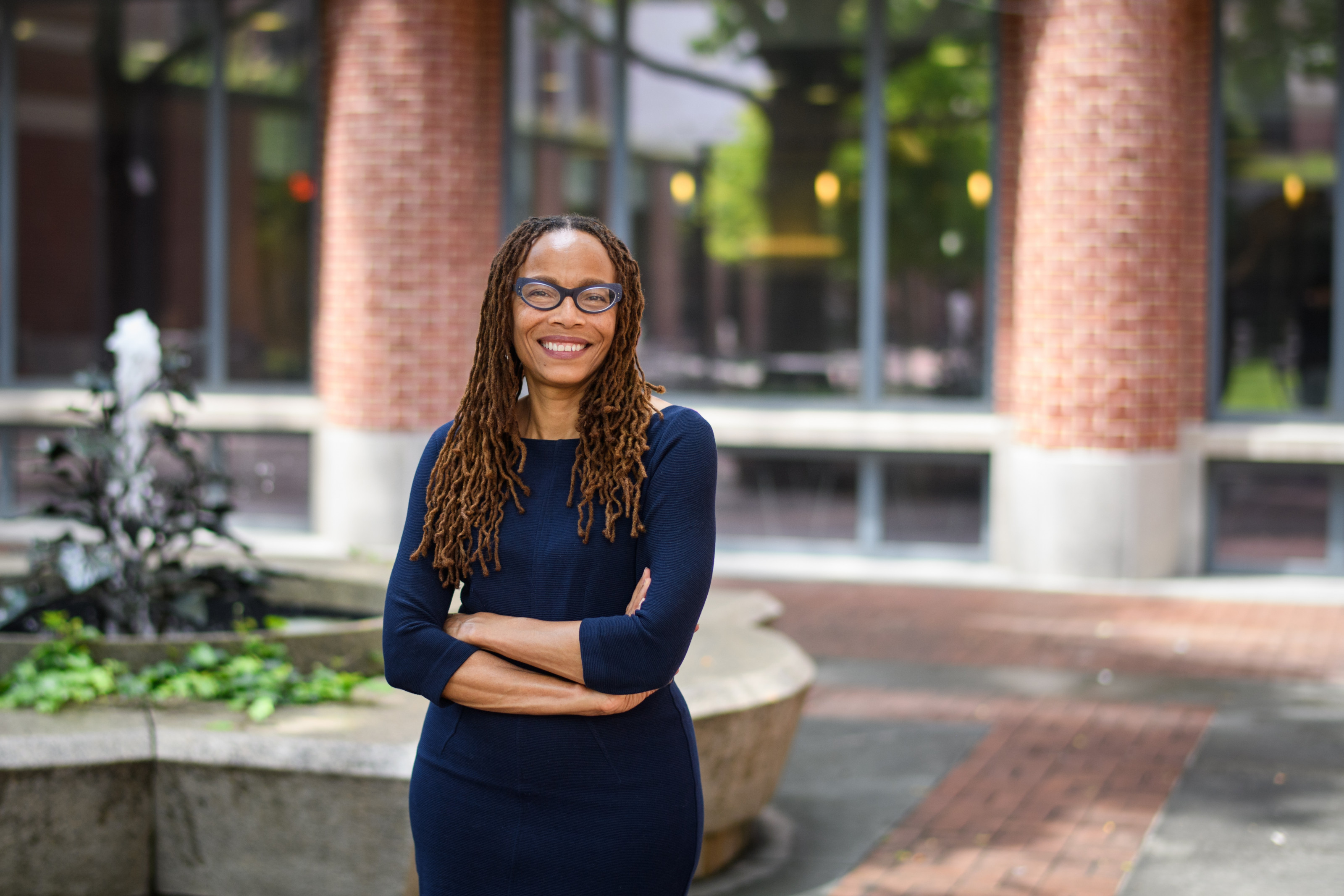
Finally, as part of our series of books on sex, gender, and science, host Angela Saini interviews author Dorothy Roberts, a professor of law and sociology at the University of Pennsylvania, about her book Killing the Black Body: Race, Reproduction, and the Meaning of Liberty.
[note: interview with Dorothy Roberts begins at 0:27:11.2]
TRANSCRIPT
[music]
0:00:05.7 Sarah Crespi: This is the Science Podcast for June 30th, 2023. I'm Sarah Crespi. First up this week, scientists are learning how to cryopreserve tissues from donor kidneys to coral larvae. Contributing correspondent Warren Cornwall joins me to talk about the latest in freezing...
Related Articles
By Charles Schmidt, Undark | 09.25.2026
In 2010, scientists at the University of Tokyo and other institutions reported a startling achievement: They had successfully grown a pancreas made almost entirely of rat cells within the bodies of mice. The research was directed by Hiromitsu Nakauchi, a...
By Rob Stein, NPR [cites CGS' Katie Hasson] | 09.29.2026
Cathy Tie slips on a white lab coat bearing her name and the logo of her startup: Origin Genomics. "Welcome!" she says as she leads an NPR reporter, photographer and videographer on an exclusive tour of Origin's labs located...
By Erik Adams, Sundance | 09.08.2026
The scariest movie playing at the 2026 Sundance Film Festival isn’t about cursed audio recordings or a killer demon disguised as your true love; rather it’s a 110-minute essay film about how a handful of guys obsessed with numbers and...
By Gaia Ghirardi, Arno Van Hootegem & K. Paige Harden , Nature Human Behaviour | 09.21.2026
Embryo screening for behavioural traits is no longer speculative. If you want to become a parent in the USA today, you can pay to use pre-implantation polygenic testing (PGT-P) of in vitro fertilization (IVF)-created embryos. PGT-P promises to optimize offspring...