


Aggregated News
Serenity Cole enjoyed Christmas last month relaxing with her family near her St. Louis home, making crafts and visiting friends.
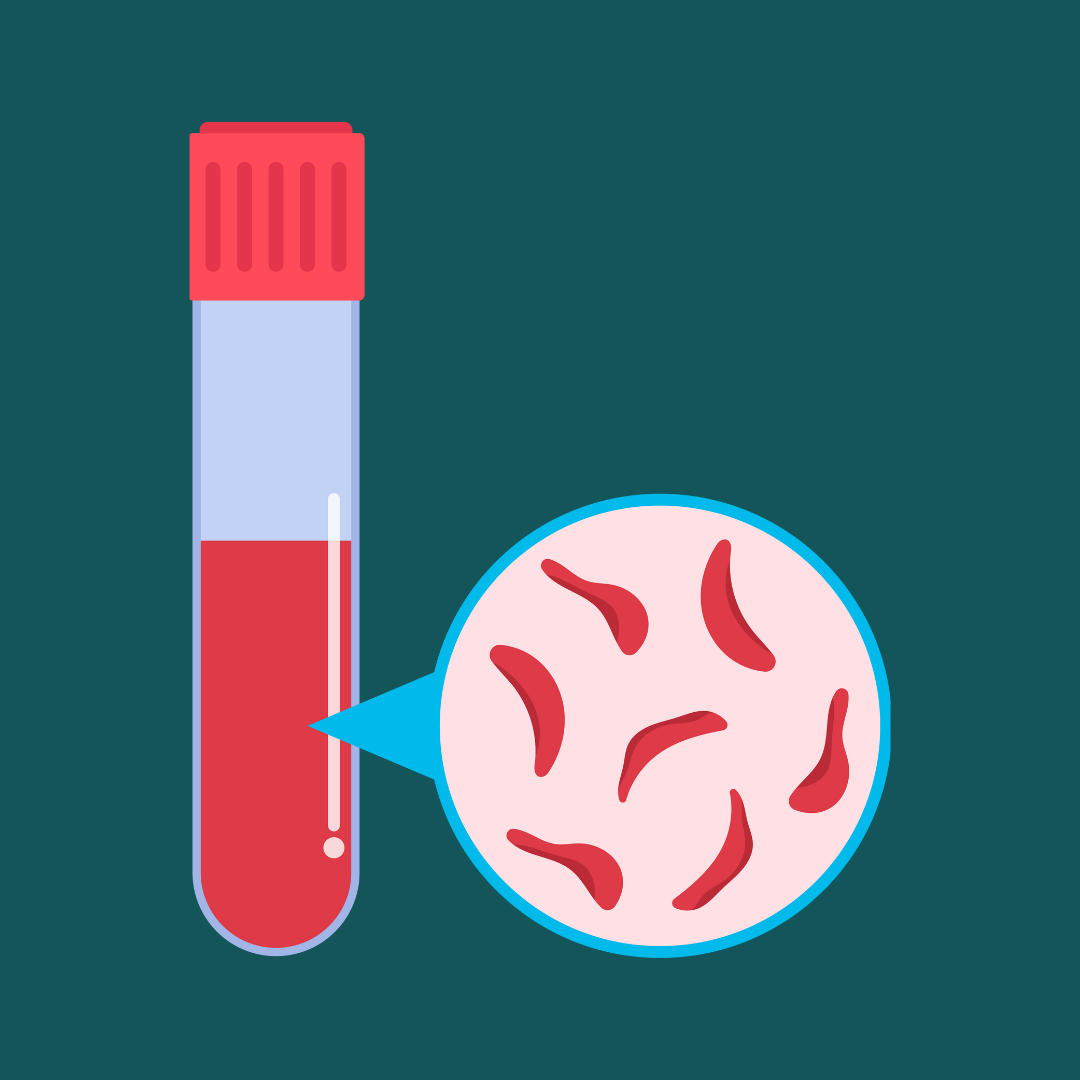
It was a contrast to how Cole, 18, spent part of the 2024 holiday season. She was in the hospital — a frequent occurrence with sickle cell disease, a genetic condition that damages oxygen-carrying red blood cells and for years caused debilitating pain in her arms and legs. Flare-ups often would force her to cancel plans or miss school.
"With sickle cell it hurts every day," she said. "It might be more tolerable some days, but it's a constant thing."
In May, Cole completed a several-months-long gene therapy treatment that helps reprogram the body's stem cells to produce healthy red blood cells.
She was one of the first Medicaid enrollees nationally to benefit from a new payment model in which the federal government negotiates the cost of a cell or gene therapy with pharmaceutical companies on behalf of state Medicaid programs — and then holds them accountable for the treatment's success.
Under the agreement, participating states will receive "discounts and...