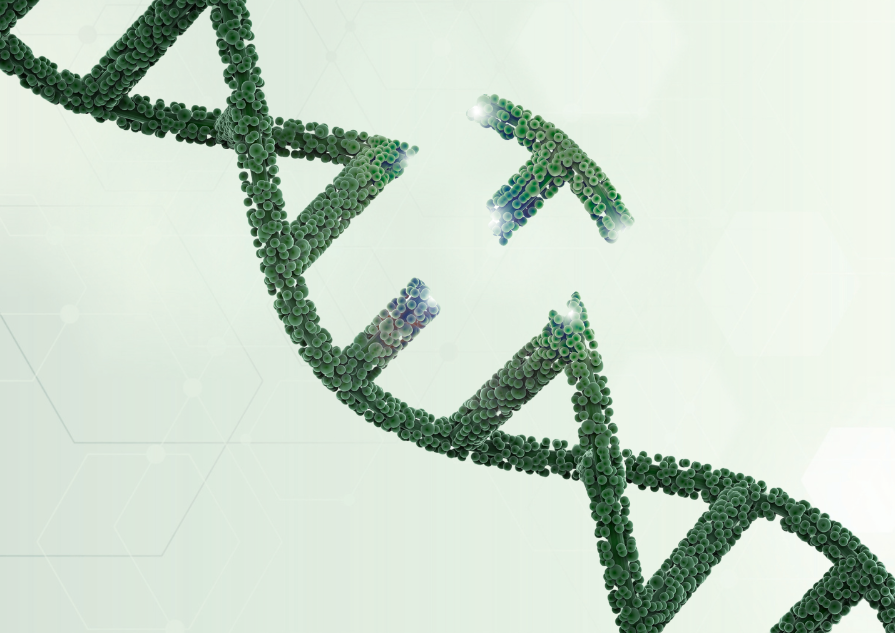
The Guardian view on gene-edited humans: darker uses must be acknowledged alongside medical ones
By Editorial Staff,
The Guardian
| 07. 05. 2026
Ever since Crispr-Cas9 gene-editing technology emerged in the early 2010s, ethical questions around genetically altered humans, so-called designer babies, have become increasingly urgent. There is already a worldwide legal prohibition. No country currently allows human germline editing (meaning genetic changes to an embryo that could also be passed on to its children), and 70 have laws against it, including the UK. But a series of recent discoveries and a new poll suggest that scientists and the public believe gene-edited humans are likely – even desirable – in the near future.
Two new studies use base editing – a more precise next-generation Crispr tool – on human embryos to study early development or disease (this research is legal in the UK and US as long as the embryos are destroyed within 14 days). The lead author of one study, Dieter Egli, said that the technology wasn’t yet ready for the clinic, but the advances would “guide responsible research to achieve its ultimate safe and effective use”. This encapsulates the view of many scientists, who believe the regulated use of germline...
Related Articles
By Gaia Ghirardi, Arno Van Hootegem & K. Paige Harden , Nature Human Behaviour | 09.21.2026
Embryo screening for behavioural traits is no longer speculative. If you want to become a parent in the USA today, you can pay to use pre-implantation polygenic testing (PGT-P) of in vitro fertilization (IVF)-created embryos. PGT-P promises to optimize offspring...
What We Inherit by Sam Trejo and Daphne O. Martschenko; and Original Sin by Kathryn Paige Harden have a great deal in common, with substantial differences in style and emphasis. Both books attempt, in different ways, to show the reader just where current research into human genomics stands, where that might be going, and why the authors are interested. In short, the influence of genomic research on our societies is already large and seems likely to change them in ways...
By Dan Falk, Nautilus | 08.20.2026
The pseudoscience of eugenics, founded on the mistaken notion that nature envisions some “right” combination of genes, and that selective breeding can improve the human race, is making a comeback. While the heyday of eugenics was a century ago, the...
By Adithi Ramakrishnan, AP News | 08.05.2026
NEW YORK (AP) — Matt Walker couldn’t pet a dog without sneezing — until he and other scientists used a gene editing technique to produce a hypoallergenic beagle named Bailey.
Now, he can feed Bailey spoons of peanut butter while...