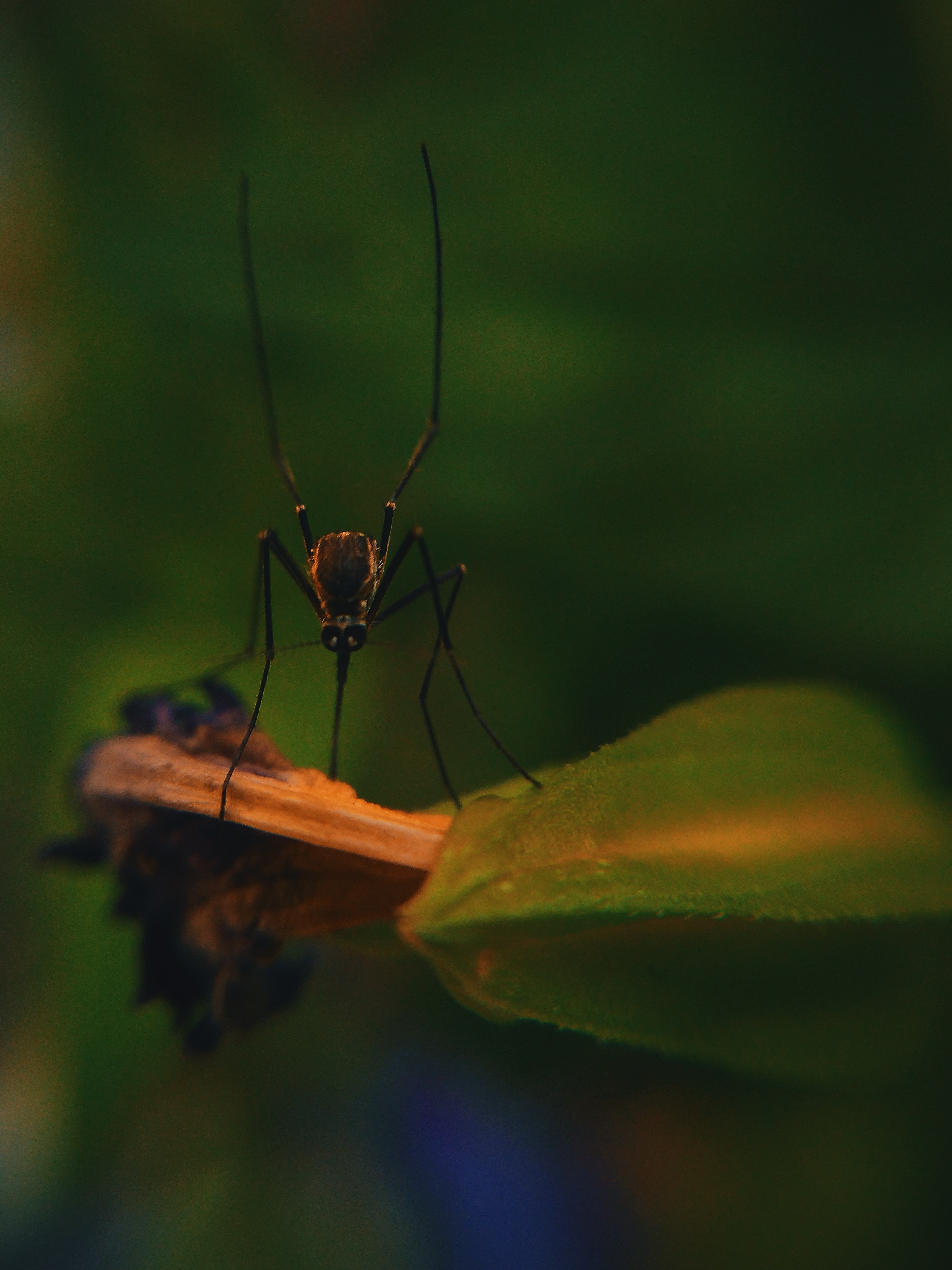
Before genetically modified mosquitoes are released, we need a better EPA
By Natalie Kofler and Jennifer Kuzma,
Boston Globe
| 06. 22. 2020
While the attention of the American public has rightfully been focused on the COVID-19 pandemic, its associated racial disparities, and broader issues of structural racism, the US government made a serious public health decision — one that could affect our health and our environment for generations to come.
Last month, the US Environmental Protection Agency approved the release of genetically modified mosquitoes. Under a 2-year Experimental Use Permit, a company called Oxitec has been granted permission to release over 1 billion genetically modified mosquitoes across 6,600 acres in Florida and Texas.
Oxitec hopes to demonstrate through field trials that their latest GM mosquito strain can reduce local populations of Aedes aegypti — the mosquito species that transmits dengue fever, yellow fever, chikungunya, and the Zika virus. When males of this GM mosquito strain (OX5034) are continually released to mate in the wild, they pass on a lethal gene to their female offspring that causes female larvae to die before they can develop into biting adults. Male mosquito offspring survive, but male mosquitoes don’t bite and without viable females, the population...
Related Articles
By Emma McDonald Kennedy
| 10.29.2026
At the beginning of Nathan Fielder and Lance Oppenheim’s blockbuster documentary You Can See Everything, Billy Evans (partner of Theranos founder and convicted fraudster Elizabeth Holmes), says that they decided to do the film for one purpose: “radical transparency.” As they work on “Theranos 2.0,” Evans and Holmes want to show the public that she has been misunderstood –– painted as a liar and a fraud in the public imagination (and the courts) despite, as she claims in the...
By Charles Schmidt, Undark | 09.25.2026
In 2010, scientists at the University of Tokyo and other institutions reported a startling achievement: They had successfully grown a pancreas made almost entirely of rat cells within the bodies of mice. The research was directed by Hiromitsu Nakauchi, a...
By Karen Weintraub, Endpoints News | 09.16.2026
To better understand certain neuropsychiatric disorders, researchers at Stanford University have bred rodents that lack a cortex and hippocampus and then replaced those missing brain cells with human ones.
The altered mice, a scientific first, provided insights that would not...
By Emily Anthes, The New York Times | 08.31.2026
For thousands of years, we have been trying to craft our ideal canine companions. We have honed their abilities to perform an array of specific tasks, from fetching waterfowl to staring down wayward sheep. We have reshaped and refined their...