6 key dilemmas as human embryo models get ever closer to the real thing
By Paul Knoepfler,
Stat
| 03. 03. 2026
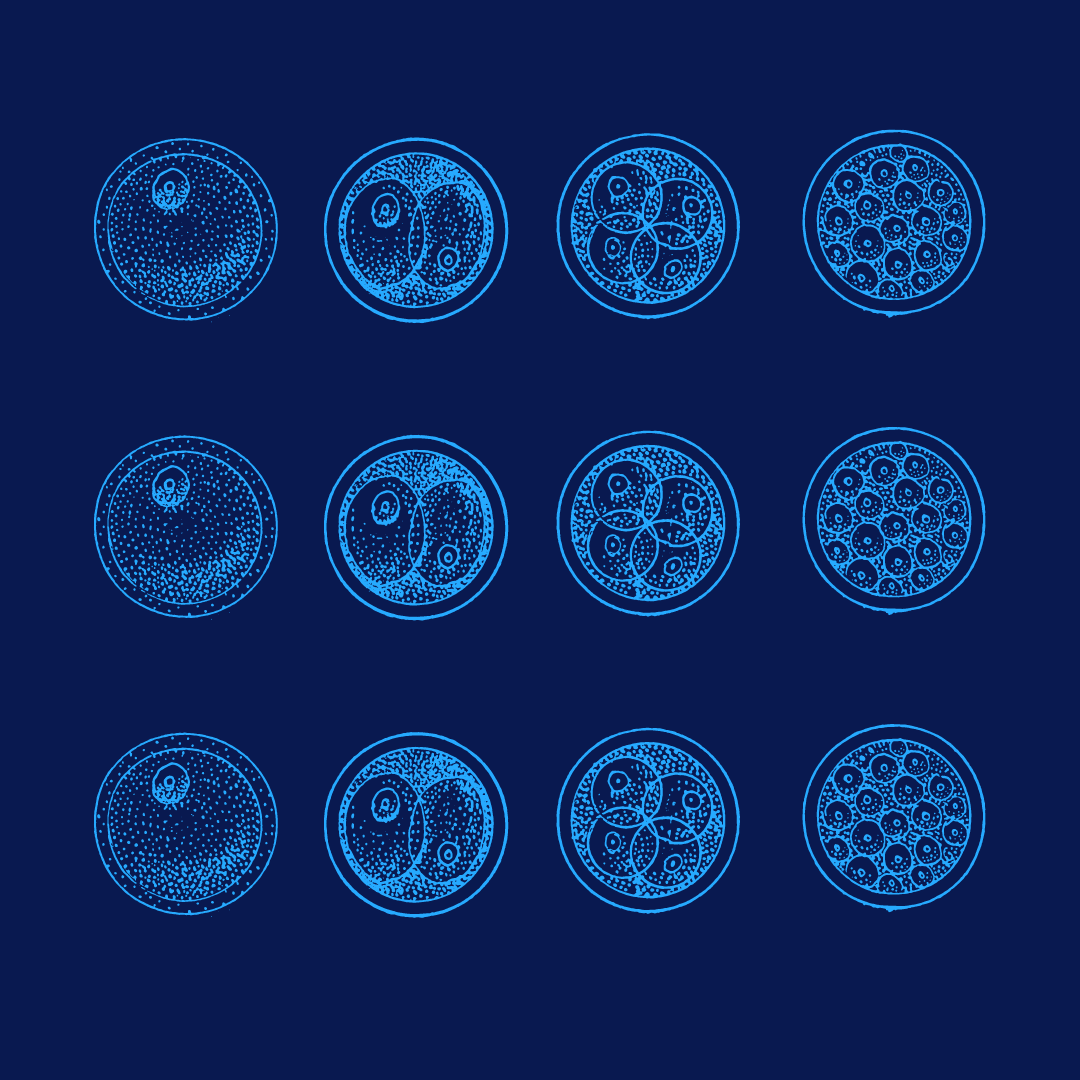
Researchers are racing to engineer highly realistic human embryo models using stem cells in the lab. Some of the newest models are now so similar to real human embryos that it’s unsettling even if also exciting in terms of research potential.
One core goal for embryo modeling is to better understand early human development and related diseases. In theory, the models could also become a valuable source of tissues for clinical use as an alternative to standard organ transplantation.
While the models will catalyze new, unique research advances, biologists disagree about key issues related to them, including how long it should be OK to grow these human embryo-like structures in the lab. Recently, a group of experts called for a hard-stop eight-week limit and called for most such research to stop at four weeks, but others are likely to push back. There are many other disagreements and dilemmas — and how we resolve them, or don’t, will determine the course of a potentially groundbreaking field.
I’ve heard colleagues say that they hope that embryo model research might be done without...
Related Articles
By Charles Schmidt, Undark | 09.25.2026
In 2010, scientists at the University of Tokyo and other institutions reported a startling achievement: They had successfully grown a pancreas made almost entirely of rat cells within the bodies of mice. The research was directed by Hiromitsu Nakauchi, a...
By Rob Stein, NPR [cites CGS' Katie Hasson] | 09.29.2026
Cathy Tie slips on a white lab coat bearing her name and the logo of her startup: Origin Genomics. "Welcome!" she says as she leads an NPR reporter, photographer and videographer on an exclusive tour of Origin's labs located...
By Alexandra Minna Stern, Los Angeles Review of Books | 09.26.2026
This is the 17th installment in the Legacies of Eugenics series, which features essays by leading thinkers devoted to exploring the history of eugenics and the ways it shapes our present. The series is organized by Osagie K. Obasogie in...
By Marcia Langton, National Indigenous Times | 09.22.2026
Pauline Hanson speaking about Aboriginal people on a white Christian podcast last year said "they're the most primitive race on Earth and we're supposed to be holding them up and saying what they've achieved? They've achieved nothing." She resurrected the...