New Push to Make Editing Human Embryos Legal Comes Under Scrutiny
By Rebecca Roberts,
The Scientist
| 10. 11. 2026
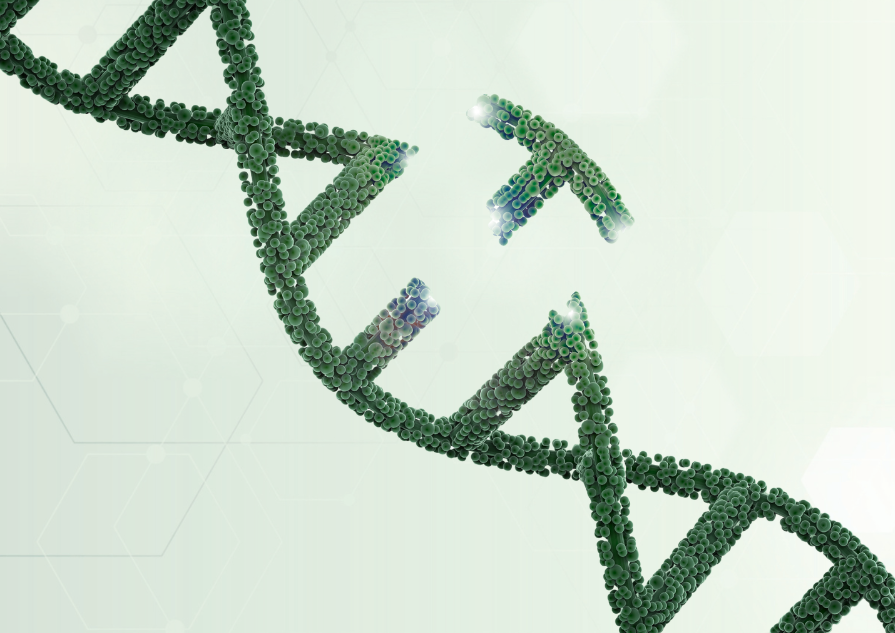
Heritable genome editing in human embryos is once again under intense scrutiny after the publication of an opinion piece in Trends in Genetics at the end of last month.1 In the paper, Cathy Tie, the founder and chief executive officer of the startup Origin Genomics, proposes that recent advances in genome editing technologies and an increase in public support might finally convince regulators to lift restrictions on the controversial field.
Scientists Claim They Have Overcome Technical Barriers
Tie said in an interview with NPR that she and her team at Origin are working with human embryos donated by couples who carry inherited genetic mutations that cause conditions such as Huntington's disease, cystic fibrosis, Tay-Sachs, and hereditary cancers. By extracting stem cells from the embryos, the researchers can test different existing genome editing systems, such as CRISPR-Cas9, to see which will safely edit the disease-causing mutations. They are also using artificial intelligence to design new precision-editing systems and testing them in induced pluripotent stem cells that carry relevant mutations.
“My hope is that one day Origin Genomics...
Related Articles
By Carl Zimmer, The New York Times | 10.20.2026
For the first time, scientists say they have used viruses designed by artificial intelligence to treat a human patient.
Researchers announced on Tuesday that they had administered the virus, known as a phage, to a patient suffering from a deadly...
By Noah Fromson, HealthLab | 10.19.2026
Gene therapy is no longer the future of medicine — it’s reality. Treatments that replace, silence or edit genes are already changing clinical care.
There are more than 6,000 rare genetic disorders but only a fraction currently have treatable targets...
By Roxanne Khamsi, The Atlantic | 10.16.2026
In recent months, news came out about several distressing cases that have underscored the risks of gene therapy, which delivers DNA to a patient’s cells to treat disease. All of these cases have one thing in common that’s not apparent...
By Aoife Hegarty, RTÉ | 10.08.2026
Leading medical experts have warned about the sale of many "meaningless" and "dangerous" additional fertility treatments being sold on the Irish market.
It follows a surge in the number of so-called add-ons being promoted to people who need medical help...