


Aggregated News
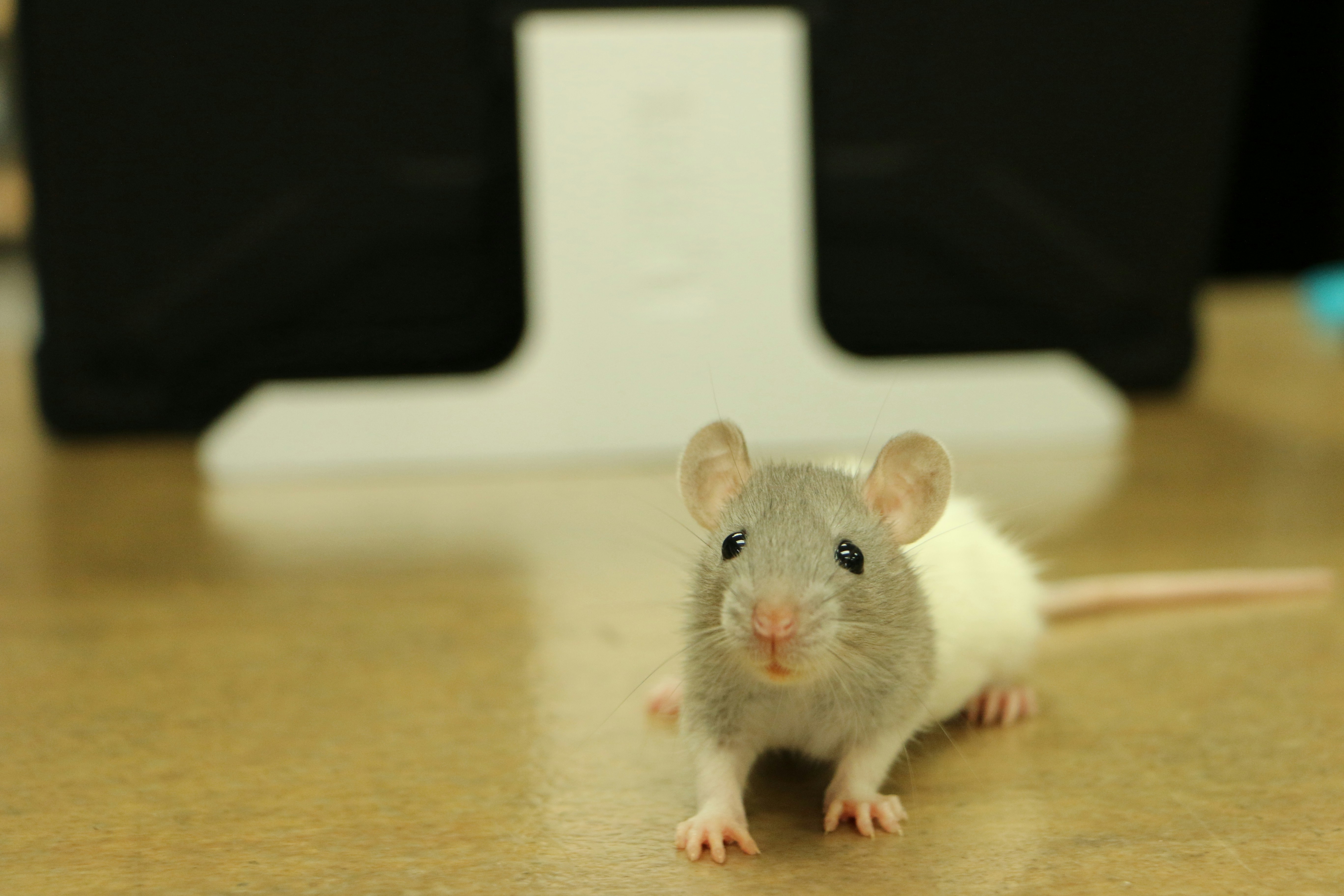
To better understand certain neuropsychiatric disorders, researchers at Stanford University have bred rodents that lack a cortex and hippocampus and then replaced those missing brain cells with human ones.
The altered mice, a scientific first, provided insights that would not be possible in even the most sophisticated lab-dish model, said Sergiu Pasca, who helped lead the research and has been a pioneer in the organoid field. Already, Pasca said, he and his colleagues have started to learn more about what happens to the human brain when deprived of oxygen and have seen human brain cells that are implicated in frontotemporal dementia but previously required autopsies to study.
A study published Wednesday in Nature details how the Stanford team deleted a gene responsible for cortical development in mice, removing 98% of the neurons that normally make up the cortex and hippocampus. Some of the animals were left like that. These so-called apallial mice survived but were cognitively impaired: taking longer, for instance, to learn their way through a maze.
In a first, in the other depleted mice, Pasca and his colleagues replaced...