How to create a more inclusive future post-COVID
By Alice Wong,
Mashable
| 03. 03. 2021
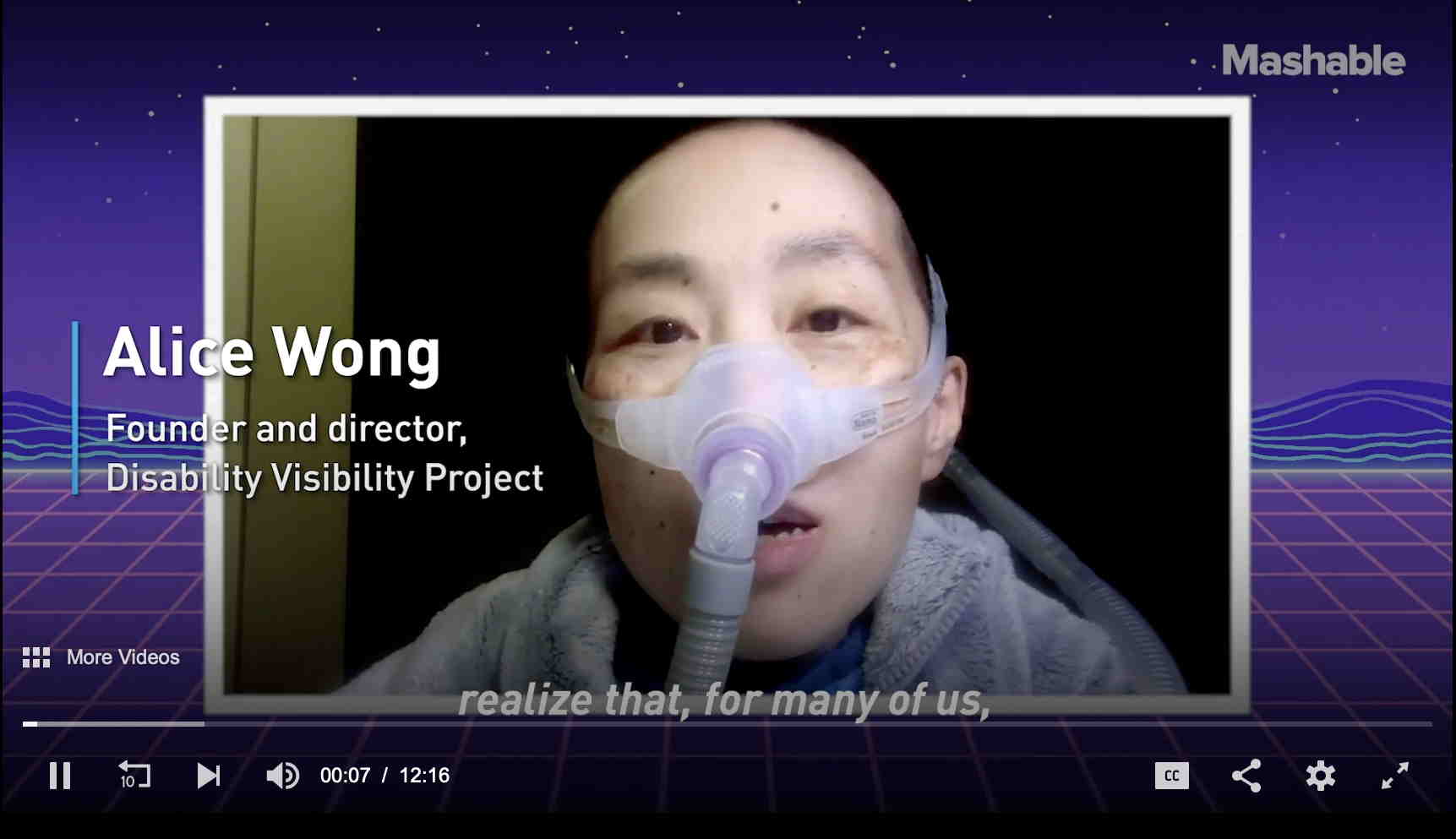
There are two major lessons to be learned from the COVID-19 pandemic, according to Alice Wong, founder and director of the Disability Visibility project. First, we must stop striving for a return to some form of pre-COVID 'normality', because really, it wasn't that great for everyone. Instead, it left so many people out of the conversation about how to solve the crisis — marginalized people, scientists, people with disabilities.
The second lesson is that we now have a chance to rethink the world, to re-envision the future and this time, we, as a global community, can't afford to turn anyone away.
Related Articles
By Alexandra Minna Stern, Los Angeles Review of Books | 09.26.2026
This is the 17th installment in the Legacies of Eugenics series, which features essays by leading thinkers devoted to exploring the history of eugenics and the ways it shapes our present. The series is organized by Osagie K. Obasogie in...
By Gaia Ghirardi, Arno Van Hootegem & K. Paige Harden , Nature Human Behaviour | 09.21.2026
Embryo screening for behavioural traits is no longer speculative. If you want to become a parent in the USA today, you can pay to use pre-implantation polygenic testing (PGT-P) of in vitro fertilization (IVF)-created embryos. PGT-P promises to optimize offspring...
Artificial Intelligence (AI) has been a major focus of news recently, as it should have been, under the appropriately ridiculous name of Hugging Face, “a leading collaboration platform and community hub for machine learning, artificial intelligence, and data science.” In July, Hugging Face was hacked. The platform itself responded:
Earlier this week, we detected and responded to an intrusion into part of our production infrastructure. This one was different from anything we had handled before in one important way...
By Ryan Cross, Endpoints News | 09.02.2026
The deaths of two children who received CRISPR therapies in China have rattled scientists who work on similar genetic medicines in the US, adding new fuel to a yearslong debate about the danger of the gene therapy field’s most-used delivery...