23andMe Admits ‘Mining’ Your DNA Data Is Its Last Hope
By Thomas Germain,
Gizmodo
| 02. 13. 2024
With the business in a tailspin, 23andMe’s CEO assures investors there’s still plenty of money it can make on your genes.
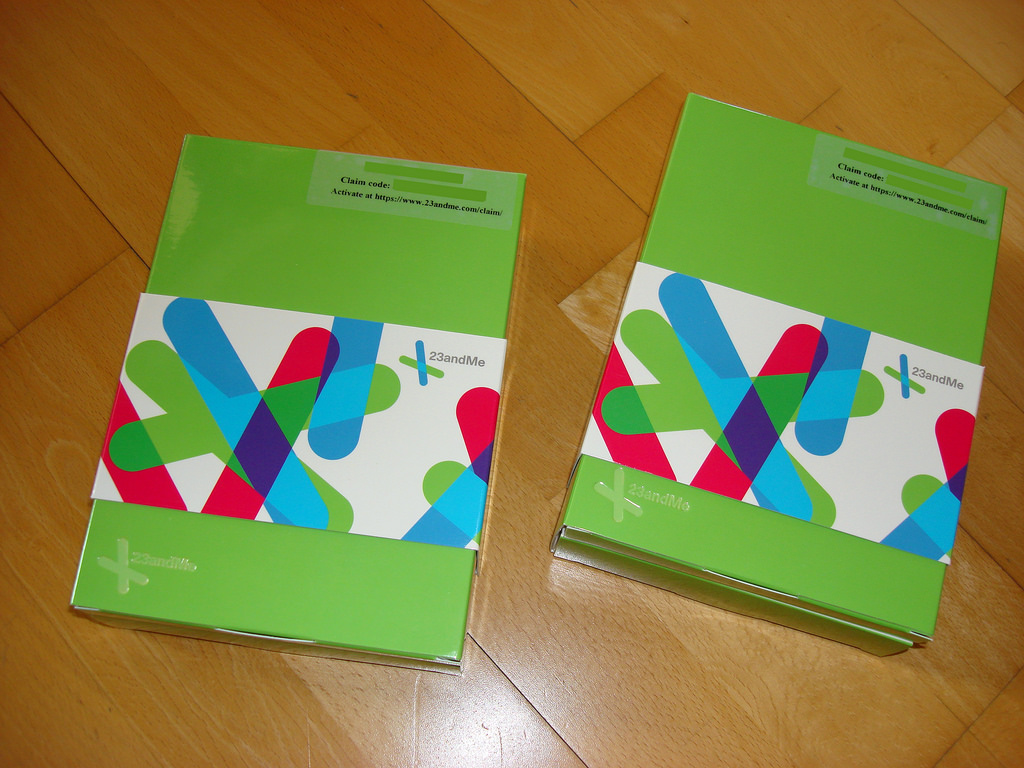
23andMe is in a death spiral. Almost everyone who wants a DNA test already bought one, a nightmare data breach ruined the company’s reputation, and 23andMe’s stock is so close to worthless it might get kicked off the Nasdaq. CEO Anne Wojcicki is on a crisis tour, promising investors the company isn’t going out of business because she has a new plan: 23andMe is going to double down on mining your DNA data and selling it to pharmaceutical companies.
“We now have the ability to mine the dataset for ourselves, as well as to partner with other groups,” Wojcicki said in an interview with Wired. “It’s a real resource that we could apply to a number of different organizations for their own drug discovery.”
That’s been part of the plan since day one, but now it looks like it’s going to happen on a much larger scale. 23andMe has always coerced its customers into giving the company...
Related Articles
By Charles Schmidt, Undark | 09.25.2026
In 2010, scientists at the University of Tokyo and other institutions reported a startling achievement: They had successfully grown a pancreas made almost entirely of rat cells within the bodies of mice. The research was directed by Hiromitsu Nakauchi, a...
By Rob Stein, NPR [cites CGS' Katie Hasson] | 09.29.2026
Cathy Tie slips on a white lab coat bearing her name and the logo of her startup: Origin Genomics. "Welcome!" she says as she leads an NPR reporter, photographer and videographer on an exclusive tour of Origin's labs located...
By Emily Baumgaertner Nunn, The New York Times | 09.08.2026
It is one of biology’s most ingenious rhythms: Every baby is born young. No matter how much wear and tear their parents’ DNA accumulated over their lifetimes, reproduction erases the molecular scars, handing a clean slate to the next generation...
What We Inherit by Sam Trejo and Daphne O. Martschenko; and Original Sin by Kathryn Paige Harden have a great deal in common, with substantial differences in style and emphasis. Both books attempt, in different ways, to show the reader just where current research into human genomics stands, where that might be going, and why the authors are interested. In short, the influence of genomic research on our societies is already large and seems likely to change them in ways...