You Can Learn a Lot About Yourself From a DNA Test. Here's What Your Genes Cannot Tell You
By Libby Copeland,
TIME
| 03. 02. 2020
“Have you found an article of clothing with a suspicious stain?” asks the website of one Florida-based company called All About Truth DNA Services, which informs readers that “aprrpoximately [sic] 60% of husbands and 40% of wives will have an affair at some point,” and recommends consumers wait for their “suspicious item” to dry and then send it in for testing. Also accepted: cigarette butts, toothpicks, hair.
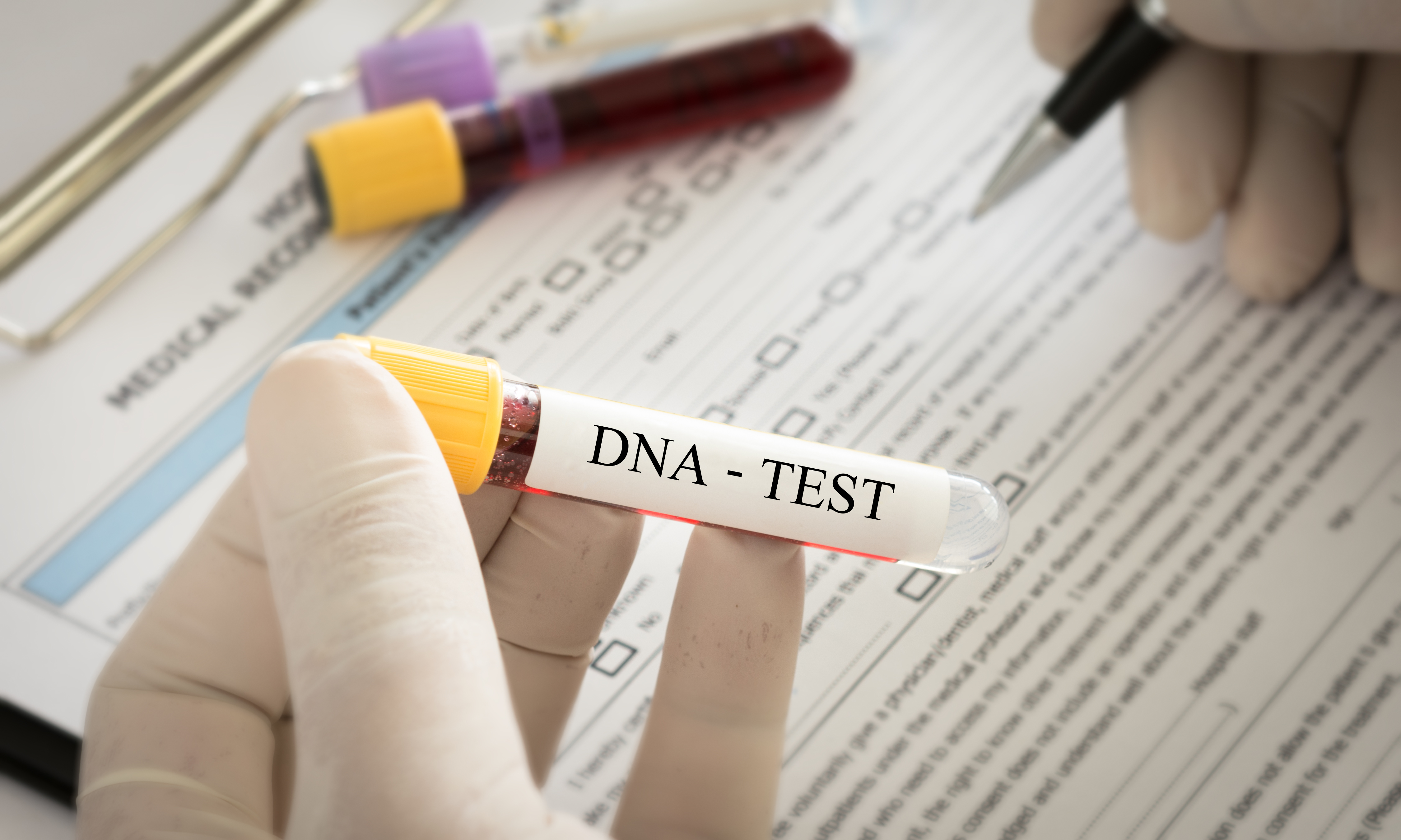
The landscape of the consumer genomics market now would have been barely recognizable a decade ago. One study by scholar Andelka Phillips, then at the University of Oxford, found that as of January 2016, at least 246 genetics testing companies across the globe were selling their wares directly to customers online. Not all DNA testing companies offer services related to predicting ethnicity and finding relatives; indeed, the spectrum of services they offer is dizzying, and their usefulness and accuracy sometimes dubious. They range from the paternity tests you can pick up at Walgreens to tests that look specifically for African or Native American ancestry to others promising DNA-based matchmaking services. Phillips’s survey placed...
Related Articles
By Alexandra Minna Stern, Los Angeles Review of Books | 09.26.2026
This is the 17th installment in the Legacies of Eugenics series, which features essays by leading thinkers devoted to exploring the history of eugenics and the ways it shapes our present. The series is organized by Osagie K. Obasogie in...
By Gaia Ghirardi, Arno Van Hootegem & K. Paige Harden , Nature Human Behaviour | 09.21.2026
Embryo screening for behavioural traits is no longer speculative. If you want to become a parent in the USA today, you can pay to use pre-implantation polygenic testing (PGT-P) of in vitro fertilization (IVF)-created embryos. PGT-P promises to optimize offspring...
Artificial Intelligence (AI) has been a major focus of news recently, as it should have been, under the appropriately ridiculous name of Hugging Face, “a leading collaboration platform and community hub for machine learning, artificial intelligence, and data science.” In July, Hugging Face was hacked. The platform itself responded:
Earlier this week, we detected and responded to an intrusion into part of our production infrastructure. This one was different from anything we had handled before in one important way...
By Ryan Cross, Endpoints News | 09.02.2026
The deaths of two children who received CRISPR therapies in China have rattled scientists who work on similar genetic medicines in the US, adding new fuel to a yearslong debate about the danger of the gene therapy field’s most-used delivery...