

Aggregated News
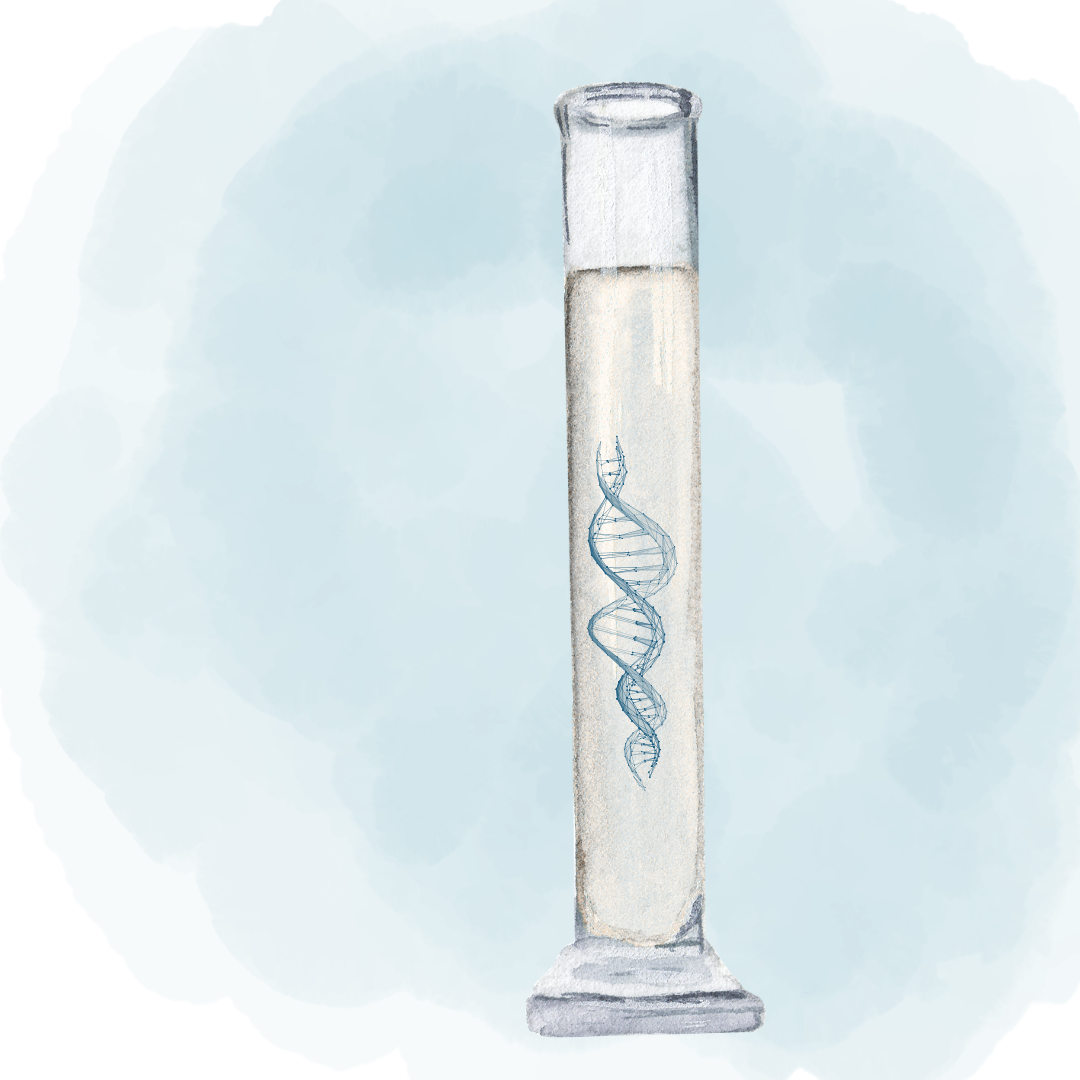
Humans have debated the meaning of life for many millennia, but from evolution’s perspective, it is simple: Preserve the genome. Of course, mutation is allowed, as is the genetic mixing and matching of sexual reproduction, to create variety and evolutionary diversity. But we all exist because a viable lineage of DNA has persisted for 4 billion years. The genome’s policy is typically, “If the code works, don’t change it.”
You’d think, then, that cells would keep their DNA under lock and key, protected from the elements like the precious blueprint it is. But this isn’t possible. DNA is a working document. Cells need near-constant access to these instructions for making the molecules required by life. The huge, complex molecular structure is therefore exposed to nonstop assault by the by-products of everyday cellular metabolism, as well as environmental factors, such as radiation (including ultraviolet and X-ray), alcohol, pesticides, and more.
“DNA damage occurs all the time,” said Björn Schumacher(opens a new tab), a molecular biologist at the University of Cologne. “[DNA] contains all the information for building a cell... see more