

Aggregated News
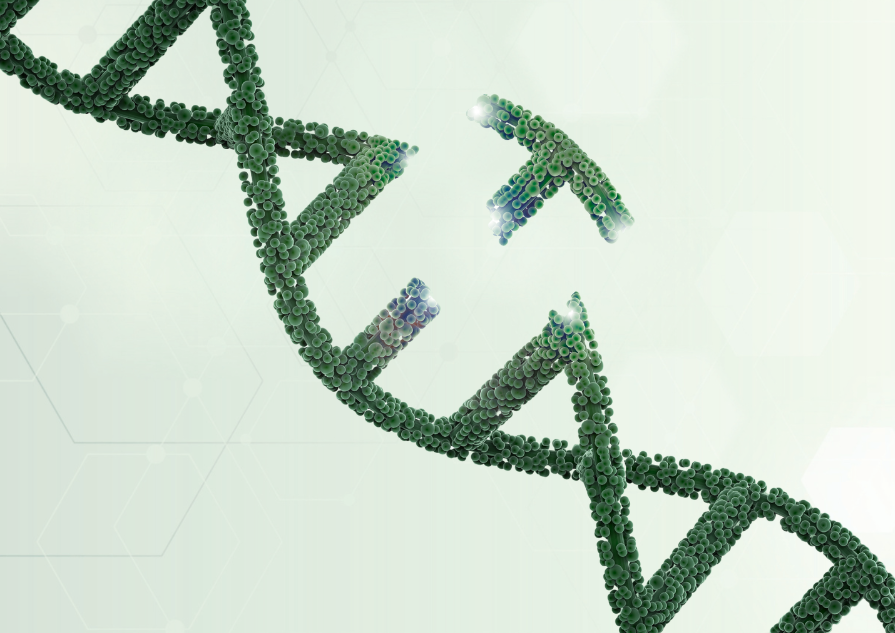
One of the keys to curing a rare disease is treating patients early. But what if you treated them before they were born?
Over the past decade, several researchers have pursued this provocative idea. Now, they are starting to make meaningful progress in fetal gene editing, an approach that holds the potential to stop genetic disorders before it’s too late.
“If you really want to prevent the worst ravages of the disease, you can’t wait until they’re born,” said Kiran Musunuru, a gene editing expert at the University of Pennsylvania. “You’ve got to go in utero.”
The futuristic technique is benefiting from new advances in prenatal diagnostics and CRISPR, the Nobel Prize-winning DNA editing tool. Other scientists pursuing the idea include David Stitelman at the Yale School of Medicine, Tippi MacKenzie at University of California, San Francisco, and Aijun Wang, a biomedical engineer at UC Davis.
Musunuru made headlines is 2025 when he helped develop the world’s first personalized gene editing treatment for an infant with a rare genetic disorder. But long before that, he began studying the potential... see more