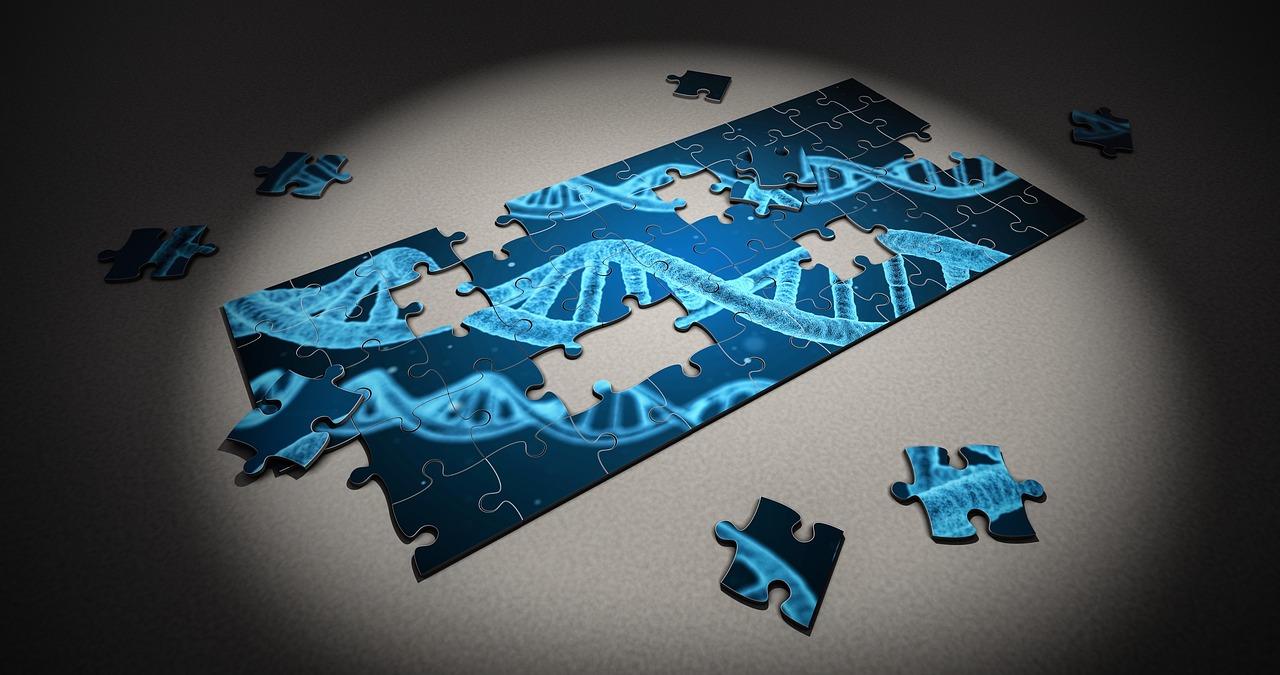
Genomics
Human genomics refers to the study and manipulation of the complete set of human DNA. This category includes genetic tests, commercial DNA databases, and DNA forensics.
In medical settings, genetic tests can assist with diagnoses, determine carrier status, and provide information about disease risk and drug response. Since the mid-2000s, commercial enterprises have offered direct-to-consumer genetic testing for both health-related and ancestry information, raising questions from experts and oversight agencies about inaccurate or misunderstood results, violations of genetic privacy, and misuses of genetic data. Genetic sequencing is also increasingly used in the criminal justice system, both for exoneration and for identifying and tracking down suspects. Police DNA databases, which in many jurisdictions include people who have been arrested for but never convicted of a crime, raise concerns about false leads, individual and familial privacy, civil liberties violations, and racial discrimination.